Featured Titanium Fasteners & CNC Machined Components
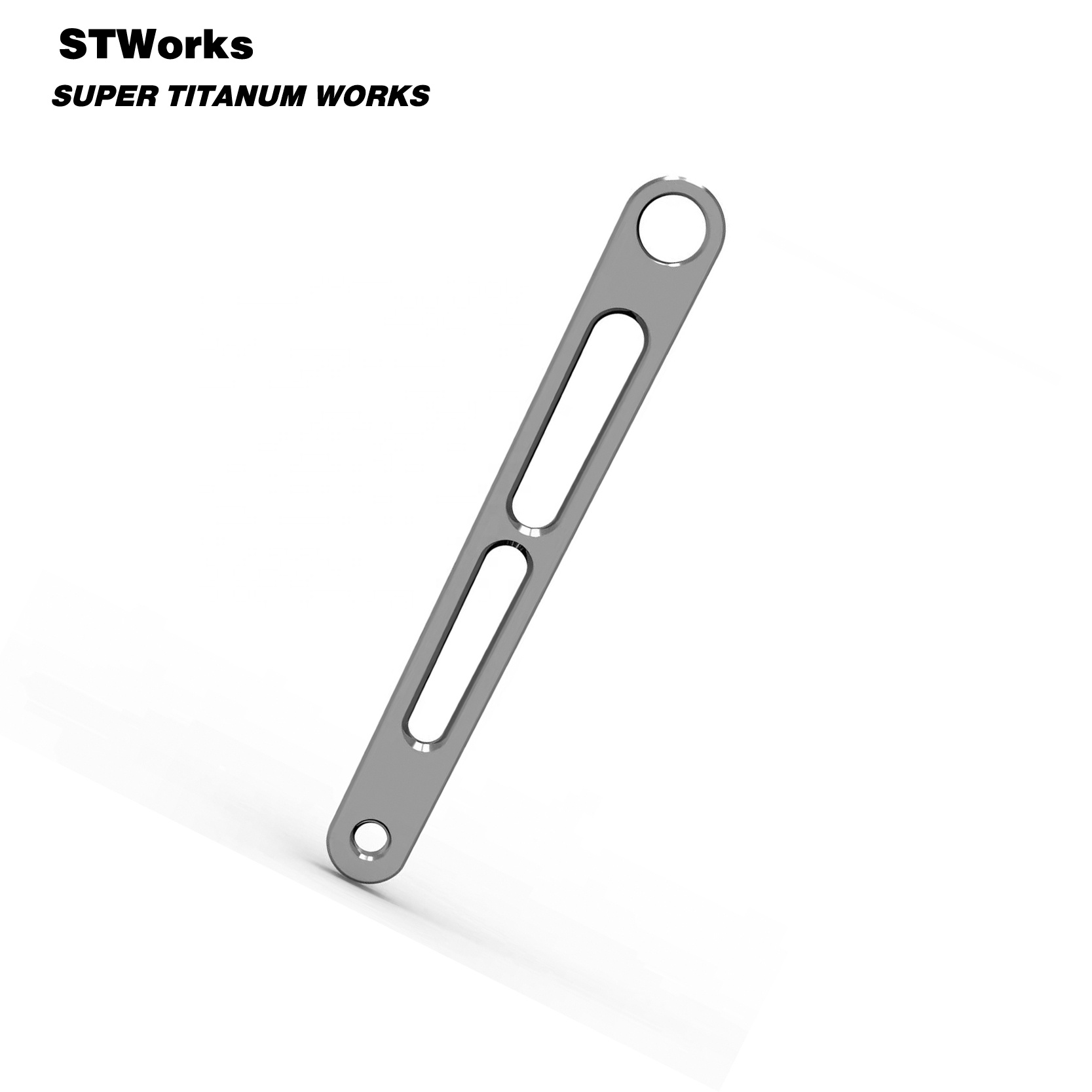
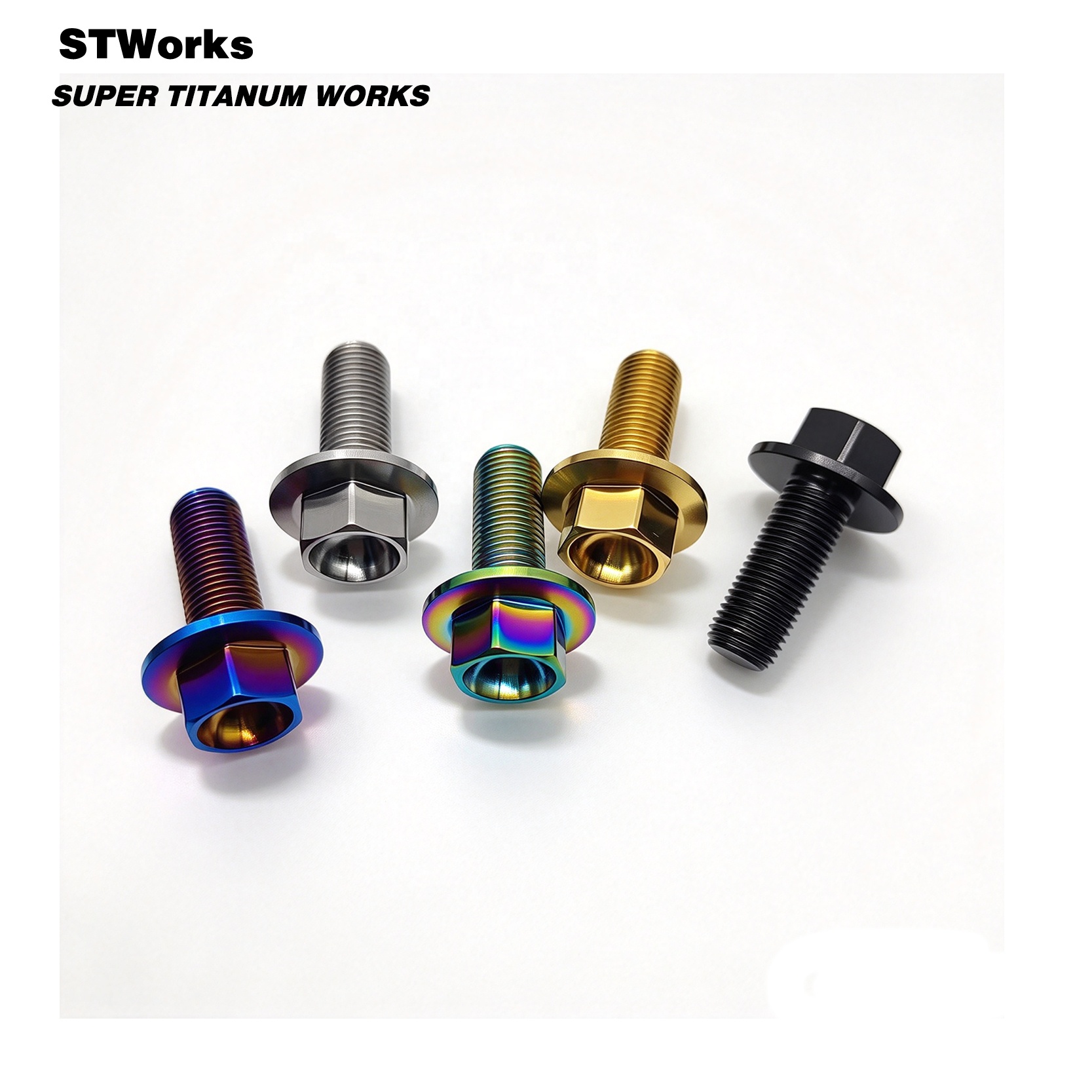
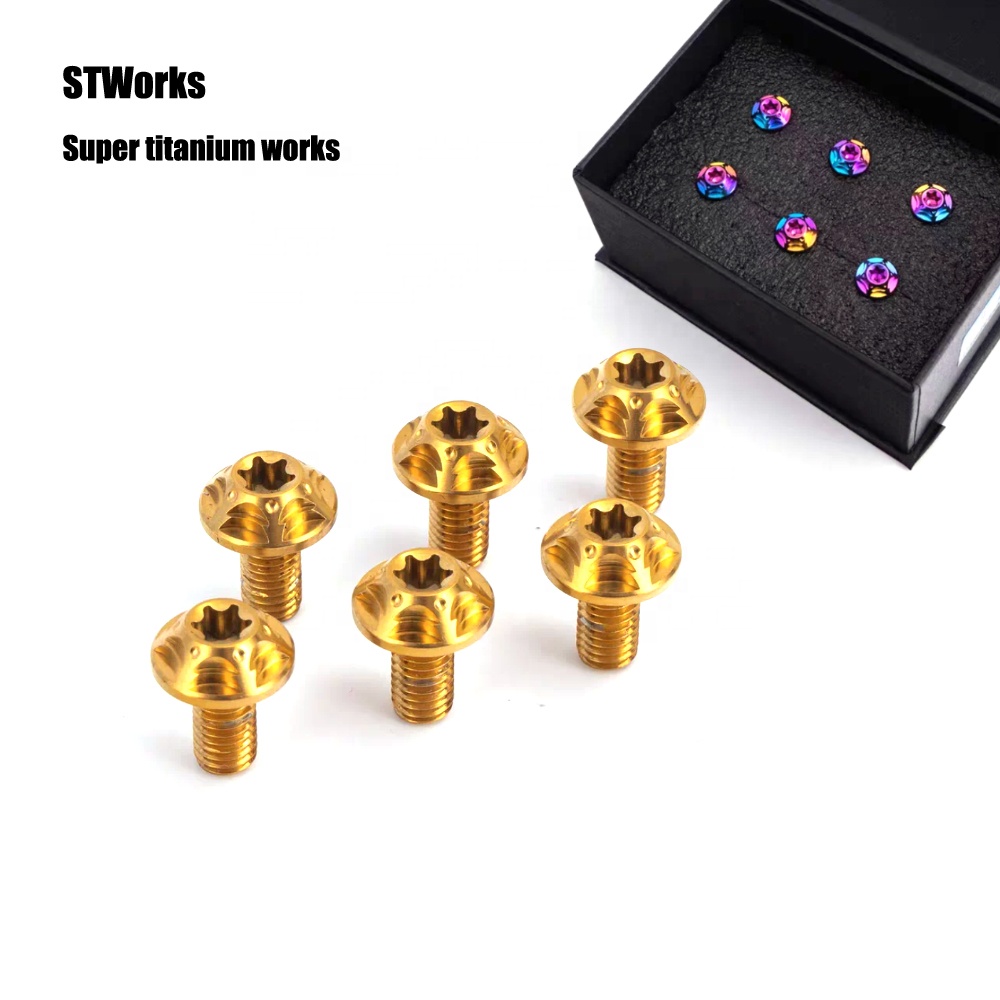
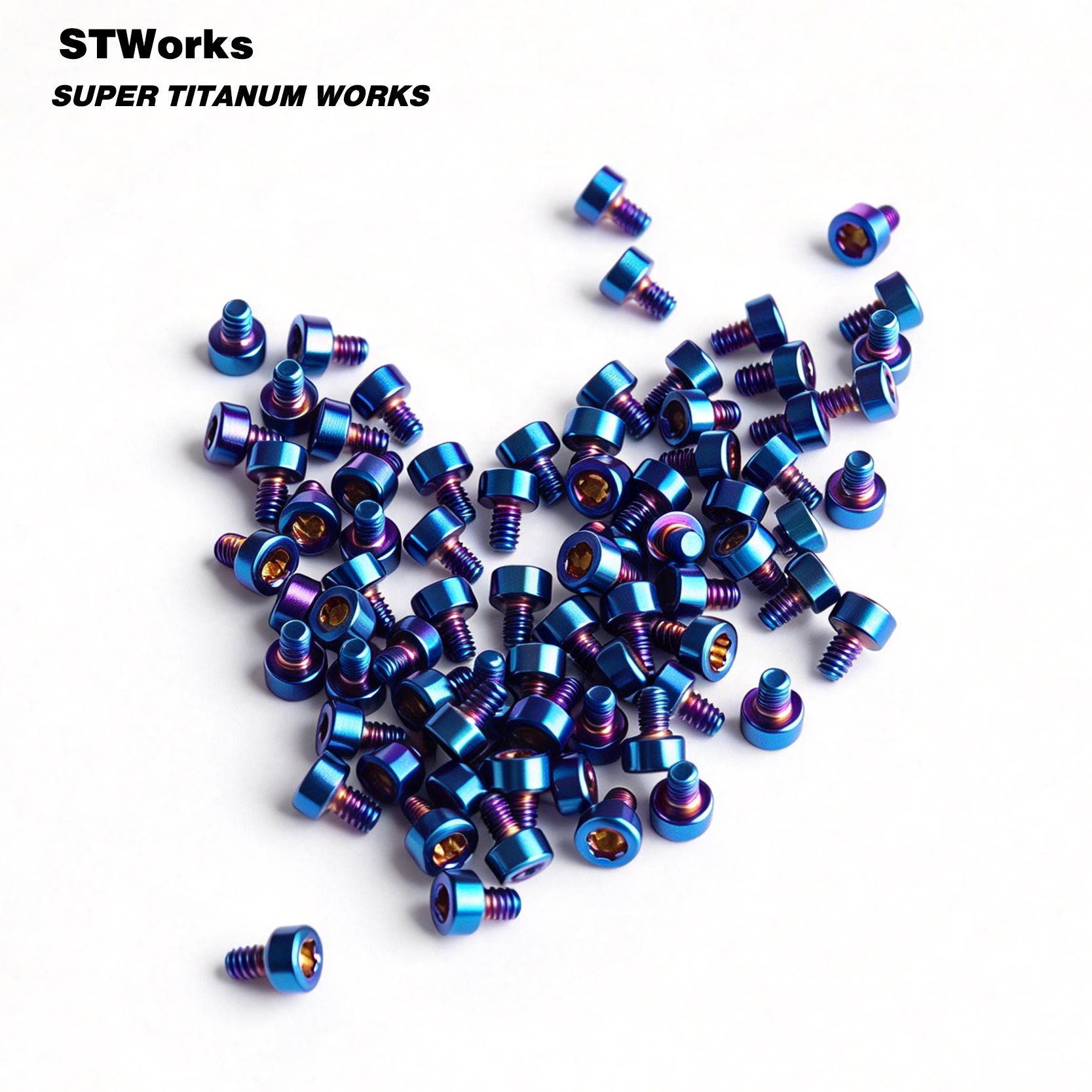
Direct from Baoji precision machining lines. Engineered from aerospace Grade 5 (Ti-6Al-4V) titanium bar stock with rolled thread profiles, strict 6H tolerances, and vacuum PVD coloring.
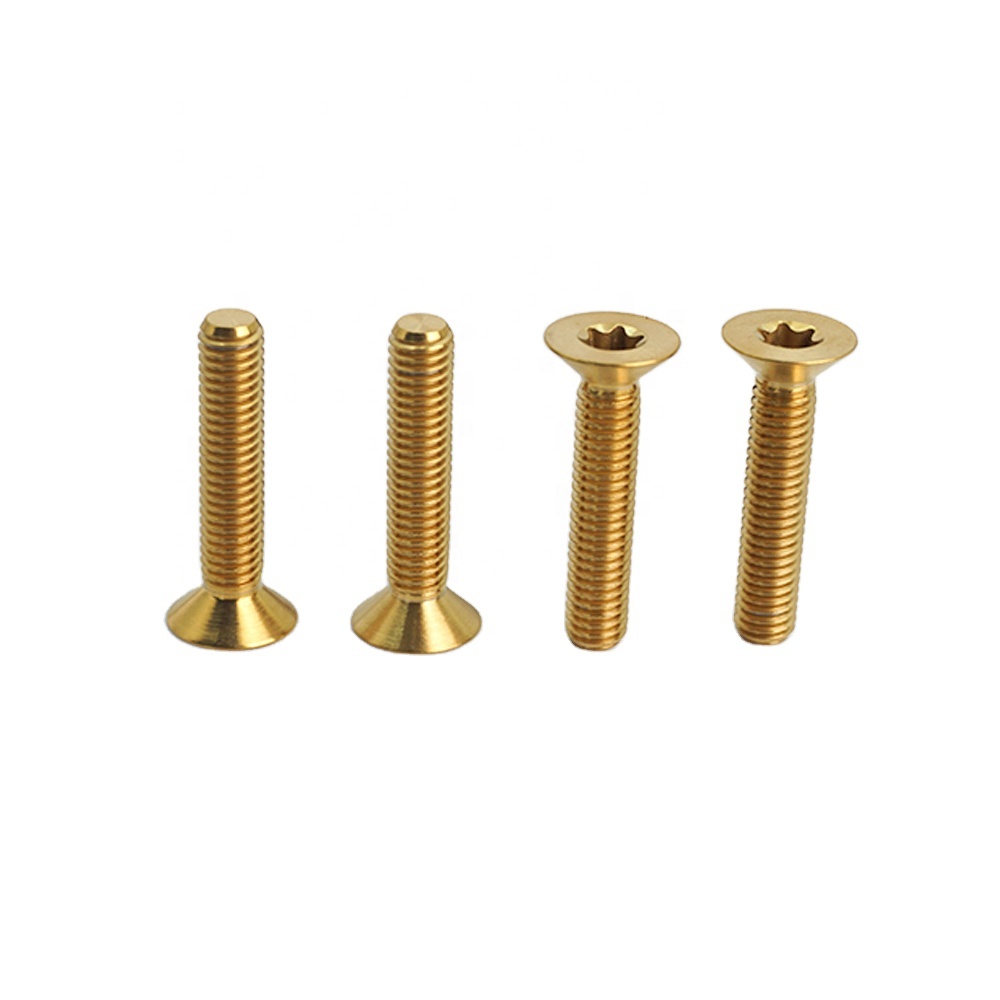
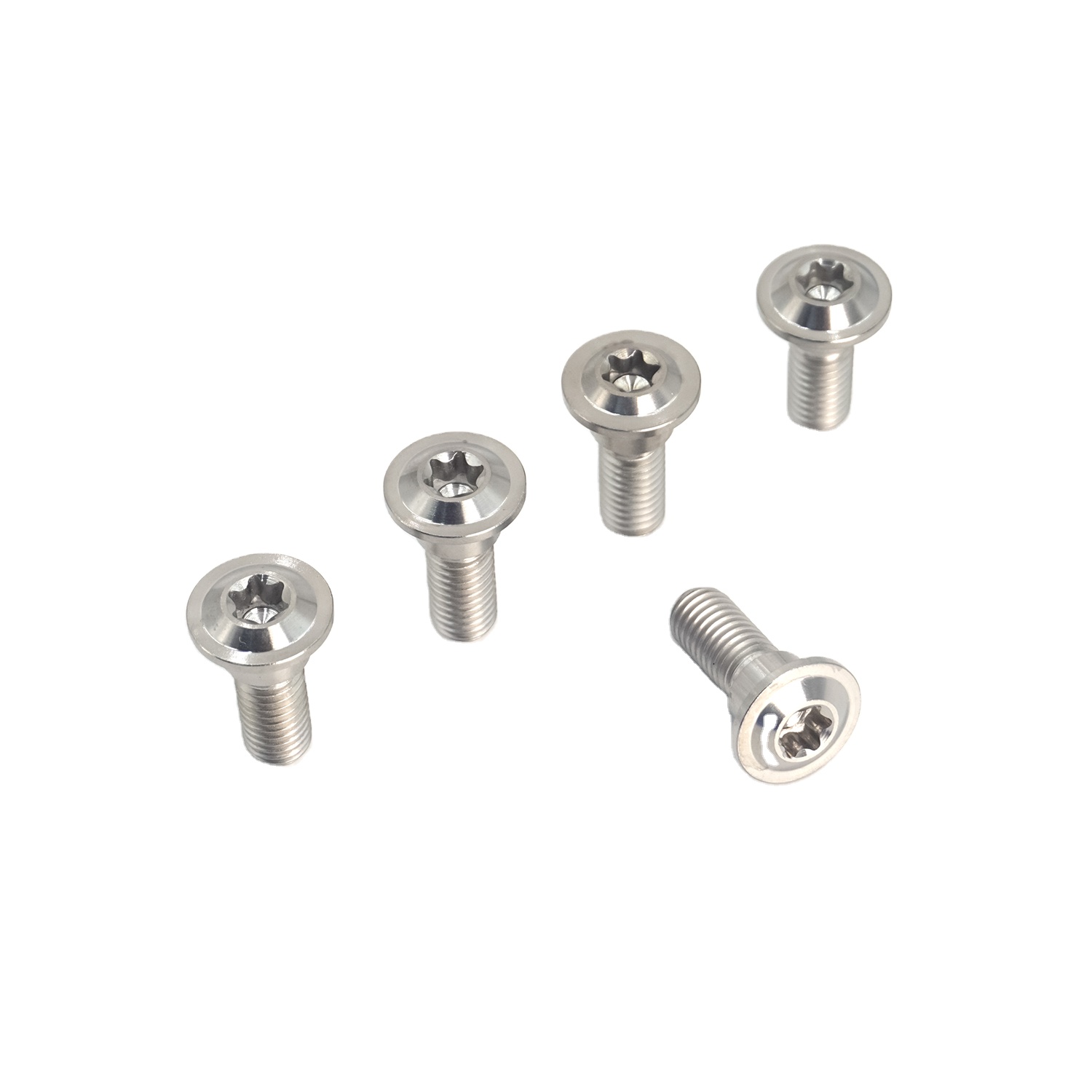
Why Titanium Spoke Nipples Redefine Wheelbuilding Mechanics
In high-performance wheel systems, spoke nipples sit at the extreme outer radius of the wheel, directly impacting rotational inertia, truing longevity, and galvanic resistance against carbon rim beds.
In competitive cycling disciplines—spanning UCI WorldTour road racing, downhill mountain biking (DH), and high-torque electric mountain bikes (e-MTB)—the spoke nipple is historically the most vulnerable structural link. For decades, wheel builders faced a compromising trade-off between nickel-plated brass (heavy, approximately 0.95–1.05 grams per nipple, but ductile and fatigue-resistant) and 7075-T6 aluminum (ultra-lightweight at ~0.32 grams, but brittle, prone to head shearing under load spikes, and chemically unstable in wet carbon fiber rim beds).
The introduction of precision CNC-machined and cold-forged Grade 5 Titanium (Ti-6Al-4V / TC4) spoke nipples has decisively dismantled this compromise. Boasting a density of 4.43 g/cm³, a titanium spoke nipple weighs roughly 0.48–0.52 grams—cutting rotational weight by nearly 50% compared to brass while delivering an ultimate tensile strength exceeding 950 MPa. Crucially, spoke nipples reside at the furthest radial perimeter from the hub axle. According to the moment of inertia formula ($I = \sum m r^2$), reducing mass at the rim circumference delivers exponential improvements in wheel acceleration, braking response, and directional agility.
Furthermore, contemporary carbon fiber rims create severe galvanic corrosion cells when paired with aluminum hardware. Carbon is electrically conductive and cathodically noble (+0.20V potential), whereas 7075 aluminum sits at a strongly active anodic potential (-0.75V). In the presence of road salt, moisture, or tubeless sealant ingress, galvanic action corrodes aluminum threads, fusing the nipple to the spoke or causing catastrophic head pull-through. In contrast, Grade 5 Titanium creates a stable, non-porous titanium dioxide ($TiO_2$) passive film with a neutral potential practically identical to carbon composites. This completely eliminates galvanic seizing, ensuring lifetime truing stability in all environmental conditions.
| Property Benchmark | Gr5 Titanium (Ti-6Al-4V) | 7075-T6 Aluminum | CW614N Plated Brass | Engineering Assessment |
|---|---|---|---|---|
| Density (g/cm³) | 4.43 | 2.81 | 8.44 | Titanium reduces rotational inertia by 48% vs Brass |
| Tensile Yield Strength (MPa) | 895 - 950 | 480 - 505 | 280 - 350 | Titanium withstands extreme high-tension spoke lacing |
| Thread Stripping Torque (N·m) | 6.8 - 7.5 | 3.2 - 3.8 | 5.0 - 5.5 | Zero round-off risk during automated truing |
| Carbon Galvanic Compatibility | Immune (Noble potential) | Severe galvanic decay | Fair (Zinc de-alloying risk) | Titanium is essential for tubeless carbon wheel longevity |
| Corrosion & Sea Salt Endurance | Impervious (ASTM B117 >1000h) | Prone to stress cracking | Forms verdigris patina | Indefinite operational service lifespan |
Top 10 Titanium Spoke Nipples Factories & Suppliers
Evaluated across precision tolerances, thread-rolling vs cutting capabilities, raw bar metallurgical certification, surface finishing, and OEM delivery compliance.
Velnora Titanium Industry
- Material Purity: Certified Gr5 Ti-6Al-4V / TC4
- Thread Process: Precision Rolled (Class 6H)
- Specialties: Internal Spline, Polyax, PVD Colors
- Production Support: 4h Fast Response · Video QC
Pillar Spoke (Sha-Dar)
- Key Product: Pillar DSN / Ti Hex Head
- Capacity: High Volume Automated Forging
- Target Market: Tier-1 OEM Wheel Assemblers
- Head Geometry: Inverted Torx & External Square
Sapim NV
- Specialty: Polyax Spherical Seating Heads
- Quality Control: Ultrasonic Flaw Detection
- Primary Grade: Custom European Ti-Alloy
- Distribution: Worldwide Boutique Distribution
DT Swiss AG
- Drive Design: Squorx Torx / Square Dual Interface
- Locking System: Pro Lock Micro-Encapsulated Resin
- Tolerances: Swiss Precision ISO Class 4H
- OEM Availability: Limited Proprietary Distribution
CN Spoke (Mac-Nail)
- Core Strength: Mass Automated Cold Heading
- Thread Standards: FG 2.3 (14G) & FG 2.0 (15G)
- Surface: Chemical Polished & Natural Anodized
- Lead Time: Bulk Production Runs (30-45 Days)
Torq-Ti Precision Hardware
- Engineering Focus: Internal Inverted Aero Nipples
- Drive Style: 5.5mm Hexagon & T20 Torx Drive
- Testing: Spectrometric Material Verification
- Market: Elite Custom Wheelbuilder Salons
Baoji Intimate Mechanics
- Production Tech: Swiss Automatic Lathes (Citizen/Star)
- Batch Capacity: 500,000 Pcs / Month
- Surface Options: Electro-Polishing & Rainbow Anodizing
- Inspection: Automated Optical Sorter Verification
Ti-Parts Workshop
- Target Niche: Ultralight Urban & Folding Bikes
- Coating: TiN Gold, TiCN Black, Oil-Slick PVD
- Packaging: Retail Packaged Wheel Sets
- Customization: Short-Run Aesthetic Runs
Morati Bespoke Dynamics
- Metallurgy: Ti-6Al-4V & Ti-3Al-2.5V Alloys
- Application: Paris-Roubaix Gravel & Cyclocross
- Compliance: European EN/ISO Fastener Standards
- Quality: 100% Eddy Current Crack Inspected
Wheel Fanatyk Technical
- Drive Interface: Spline-Drive (No-Cam-Out Patent)
- Consulting: Master Wheelbuilder Tool Compatibility
- Focus: Hand-Built Artisan Carbon Wheelsets
- Distribution: North American Hub & Global Shipping
Standard Spoke Nipple Dimensions & Engineering Geometries
Correct thread pitch engagement and rim-bed washer interfaces determine whether a high-tension wheel survives continuous dynamic cycling fatigue.
| Wire Gauge / Nominal Size | Spoke Thread Specification | Standard Lengths | Head Interface Options | Primary Cycling Applications |
|---|---|---|---|---|
| 14 Gauge (2.0mm) | FG 2.3 (56 TPI Metric Thread) | 12mm, 14mm, 16mm | Square (3.23mm), Hex 5.5mm, Torx T20 | Standard Road, Gravel, Enduro MTB, Carbon Wheelsets |
| 15 Gauge (1.8mm) | FG 2.0 (62 TPI Fine Pitch) | 12mm, 14mm | Square (3.23mm), Internal Inverted Hex | Ultralight Climber Road Wheels, Track Racing, Cross-Country |
| 13 Gauge (2.3mm) | FG 2.6 (56 TPI Heavy Pitch) | 14mm, 16mm | Large Hex, Spline-Drive, Heavy Flange | Heavy-Duty e-Bikes, Cargo Bikes, Downhill Racing Rigs |
| 12 Gauge (2.6mm) | Custom M3 / Heavy Industrial | 16mm, 18mm | Slotted Square, Reinforced Moto Hex | Electric Dirt Bikes, Speed Pedelecs, Lightweight Motorcycles |
Crucial Engineering Consideration: Spherical Seating (Polyax/Spherical Radiused Heads). Conventional spoke nipples utilize a flat 90-degree conical collar under the head. When paired with steep dish angles on 11/12-speed rear drive sides or front disc hubs, the spoke exits the nipple at a sharp angle (often 5°–8° offset from the nipple's longitudinal axis). This concentrates bending shear stress on the first two active threads of the spoke, causing premature spoke breakage at the rim. Velnora's CNC-machined titanium nipples feature radiused spherical head geometry, permitting self-aligning orientation within the rim eyelet up to ±9 degrees. This maintains perfectly collinear load paths along the spoke wire axis, doubling the wheel system's dynamic fatigue threshold.
Future Procurement & Technological Trends (2025–2030)
Global bicycle component manufacturing is experiencing rapid structural evolution driven by automation, electric mobility loads, and advanced metallurgical coatings.
1. Cold-Heading Replaces Full Lathe Cutting
Traditional titanium machining generated significant scrap material by turning nipples from solid hex bars. Next-generation manufacturers have developed high-pressure multi-die cold-heading presses that forge the head blank from Ti-6Al-4V coil before thread-rolling. This continuous uninterrupted metallurgical grain flow boosts ultimate tensile head-shear resistance by 35% while slashing production cycle times and unit costs.
2. The High-Torque E-Bike Spoke Revolution
High-power mid-drive electric motors (delivering 85–120 N·m of peak torque) impose severe rotational shock forces onto the rear wheel. Aluminum nipples rapidly fatigue, crack at the square flats, or experience spoke pull-through. OEM wheel companies are increasingly mandating Grade 5 titanium nipples for high-spec e-MTB and cargo wheel lines to maintain 220–250 kgf lacing tensions without material fatigue.
3. PVD Ceramic & Anti-Galling Coatings
Titanium-on-steel or titanium-on-titanium interfaces are metallurgically prone to micro-fretting and cold-welding galling under elevated tightening torque. The procurement trend is shifting toward Physical Vapor Deposition (PVD) hard coatings—including Titanium Nitride (TiN), Diamond-Like Carbon (DLC), and Titanium Carbo-Nitride (TiCN)—which create a low-friction (coefficient < 0.15) ceramic barrier that enables smooth truing without thread galling.
4. Robotic Wheel Lacing Optimization
Modern wheel factories rely on high-speed robotic truing machines (such as Holland Mechanics). Soft aluminum nipples often deform when the high-speed pneumatic driver engages the nipple flats. High-strength titanium nipples with standardized entry chamfers and internal Torx/Squorx drives facilitate flawless automated feeder bowl passage and high-speed robotic spindle engagement with zero tool slippage.
5. Certified Aerospace Traceability (ESG)
Procurement directors at European and American cycling brands face tightening ESG regulations requiring documented lifecycle sustainability and supply origin validation. Tier-1 suppliers must supply EN 10204 3.1 chemical inspection certificates directly tracing titanium bar stock to vacuum arc remelted (VAR) ingots, guaranteeing compliance with RoHS, REACH, and conflict-free mineral frameworks.
6. Inverted Aero Spline Internal Placement
Aerodynamic drag minimization in gravel and road wheels has driven the adoption of inverted spoke nipples housed completely inside the carbon rim cavity. Titanium is uniquely suited for internal placement because its complete corrosion immunity allows wheel builders to seal rims tubeless without worrying about moisture entrapment or tubeless sealant degrading the nipple over years of service.
Frequently Asked Questions: Titanium Spoke Nipple Procurement
Answers to common engineering, torque specification, and supply chain questions from OEM procurement managers and custom wheel builders.
Q1 Which titanium grade is required for high-tension spoke nipples: Grade 2 or Grade 5?
Grade 5 (Ti-6Al-4V / TC4) is mandatory for structural spoke nipples. Grade 2 is commercially pure titanium with a yield strength of only ~345 MPa; under wheel tensions exceeding 120 kgf, Grade 2 nipple threads will yield, strip, or deform at the square drive flats. Grade 5 offers an ultimate tensile strength exceeding 895–950 MPa, easily withstanding extreme professional lacing tensions up to 250 kgf without plastic deformation.
Q2 How do titanium nipples behave in carbon fiber rims compared to aluminum?
Titanium is virtually noble in the galvanic series, sharing a compatible electrical potential with carbon fiber. When 7075 aluminum nipples contact carbon composites in moist or saline environments, an aggressive electrochemical battery is formed, corroding the aluminum until the nipple shears or seizes. Grade 5 Titanium develops a stable, self-healing oxide passivation layer ($TiO_2$) that prevents galvanic transfer, rendering it 100% immune to corrosion inside carbon rim cavities.
Q3 How can wheelbuilders avoid thread galling when building wheels with titanium nipples?
Titanium has a natural affinity for micro-frictional adhesion (galling) when tightened dry against stainless steel or titanium spoke threads. To prevent galling: (1) Always apply a dedicated copper-based, nickel-based, or synthetic anti-seize compound (such as Ti-Prep or boiled linseed oil) to the spoke threads; (2) Source spoke nipples manufactured with rolled threads rather than cut threads; (3) Opt for titanium nipples with PVD low-friction ceramic coatings (TiN or DLC) which physically prevent metal-to-metal contact.
Q4 What is the precise weight comparison across a complete 28-spoke wheelset?
For a complete 28-hole front and rear wheelset (56 nipples total): Standard nickel-plated brass nipples weigh approximately 56 grams total (1.0g each). 7075 aluminum nipples weigh approximately 18 grams total (0.32g each). Grade 5 titanium nipples weigh approximately 28 grams total (0.50g each). Choosing titanium saves 28 grams of crucial rotational mass over brass while providing more than double the structural yield strength and fatigue resilience of aluminum.
Q5 What drive interface is optimal for titanium spoke nipples: Square, Hex, or Torx?
While traditional external 3.23mm (0.127") 4-sided square drives remain standard for field serviceability, high-tension carbon wheel builds increasingly favor internal 5.5mm Hexagonal or internal Torx (T20/T25) drives. Internal drives transfer rotational torque through the entire mass of the nipple barrel rather than exerting shear forces on the external wrench flats, completely eliminating tool cam-out and stripped corners at tensions over 150 kgf.
Q6 Are thread tolerances different for titanium spoke nipples compared to brass?
Yes. Because brass is soft and compliant, looser Class 7H or commercial tolerances are common. Grade 5 titanium, however, has an elastic modulus of approximately 110 GPa (stiffer than aluminum's 70 GPa, but more flexible than steel's 200 GPa). Spoke nipples must be CNC tapped or rolled to strict ISO Class 6H or 4H thread tolerances to ensure 100% thread tooth flank engagement and prevent crest shearing under dynamic cyclic loading.
Q7 How are custom anodized colors achieved on titanium spoke nipples, and will they fade?
Titanium anodizing is an electrochemical process that grows a controlled nanometer-scale titanium dioxide layer without using organic dyes or pigments. Colors (gold, violet, cyan, blue, bronze, green) are produced via thin-film optical light interference. Because there are no pigments, the color cannot bleed or fade from UV sunlight exposure. For extreme scratch resistance, physical vapor deposition (PVD) hard coating is recommended over standard anodizing.
Q8 What are the standard Minimum Order Quantities (MOQ) for custom OEM titanium nipples?
Standard off-the-shelf Grade 5 titanium spoke nipples (14G 12mm/14mm natural or raw polished) are readily available from manufacturers like Velnora with low MOQs starting from 200 to 500 pieces. For custom CNC designs (custom head angles, non-standard lengths, laser-engraved logos, or custom PVD colors), production run MOQs typically range from 2,000 to 10,000 pieces depending on tooling requirements.
Q9 Can titanium spoke nipples be used with straight-pull spokes as well as J-bend spokes?
Absolutely. The spoke nipple interface is identical whether the hub flange anchors straight-pull or traditional J-bend spokes, because the nipple thread interface (FG 2.3 for 14G) remains standard. However, because straight-pull spokes can spin inside the hub shell during truing, titanium nipples with low-friction PVD coatings or anti-seize lubrication are especially beneficial to prevent the spoke wire from twisting under tension.
Q10 What documentation should an OEM procurement auditor request prior to bulk shipment?
A qualified tier-1 titanium manufacturer should provide: (1) EN 10204 3.1 Material Test Report (MTR) confirming chemical composition (Al 5.5-6.75%, V 3.5-4.5%, Fe <0.40%, O <0.20%, Ti balance); (2) Tensile and yield mechanical test verification; (3) Dimensional optical comparator inspection reports verifying Class 6H thread accuracy; (4) Video or photographic records verifying batch inspection.
Velnora Titanium: Baoji's Premier Fastener Manufacturing Hub
Founded in 2013 in Baoji, China's Titanium Valley, Velnora Titanium Industry Co., Ltd. combines advanced metallurgical supply integration with multi-axis automated CNC machining centers. We engineer racing-spec titanium fasteners, cold-formed bespoke components, and micro-precision wheelbuilding hardware for competitive cycling, motorsport, aerospace, and precision robotics clients worldwide.
Direct Shop-Floor Communication
At Velnora, you deal directly with experienced CNC machining engineers, not outsourced sales agents. Whether you require standard 14G spoke nipples with Polyax spherical seating or fully customized inverted aero Torx nipples based on your 3D CAD files, we provide transparent DFM (Design for Manufacturability) analysis, prototype samples, and production progress video feeds before your batch departs.