Featured OEM Precision Titanium Fasteners
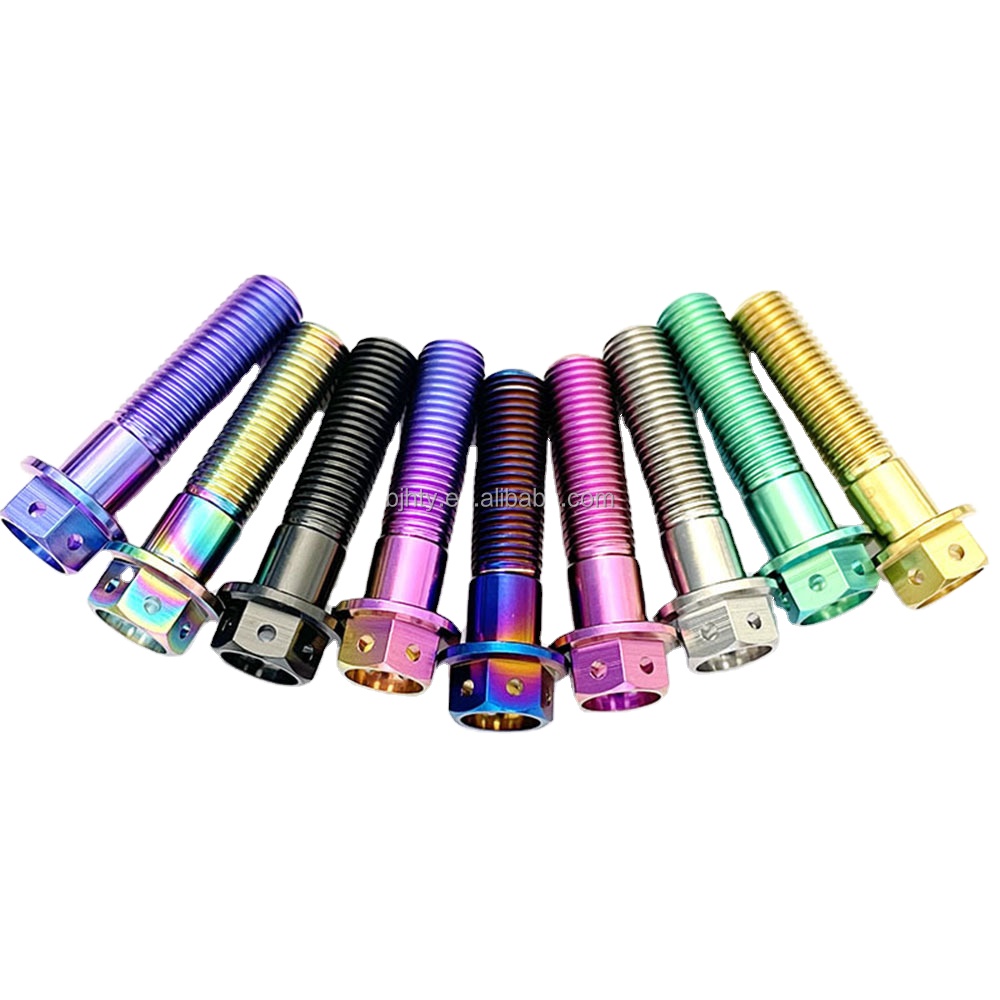
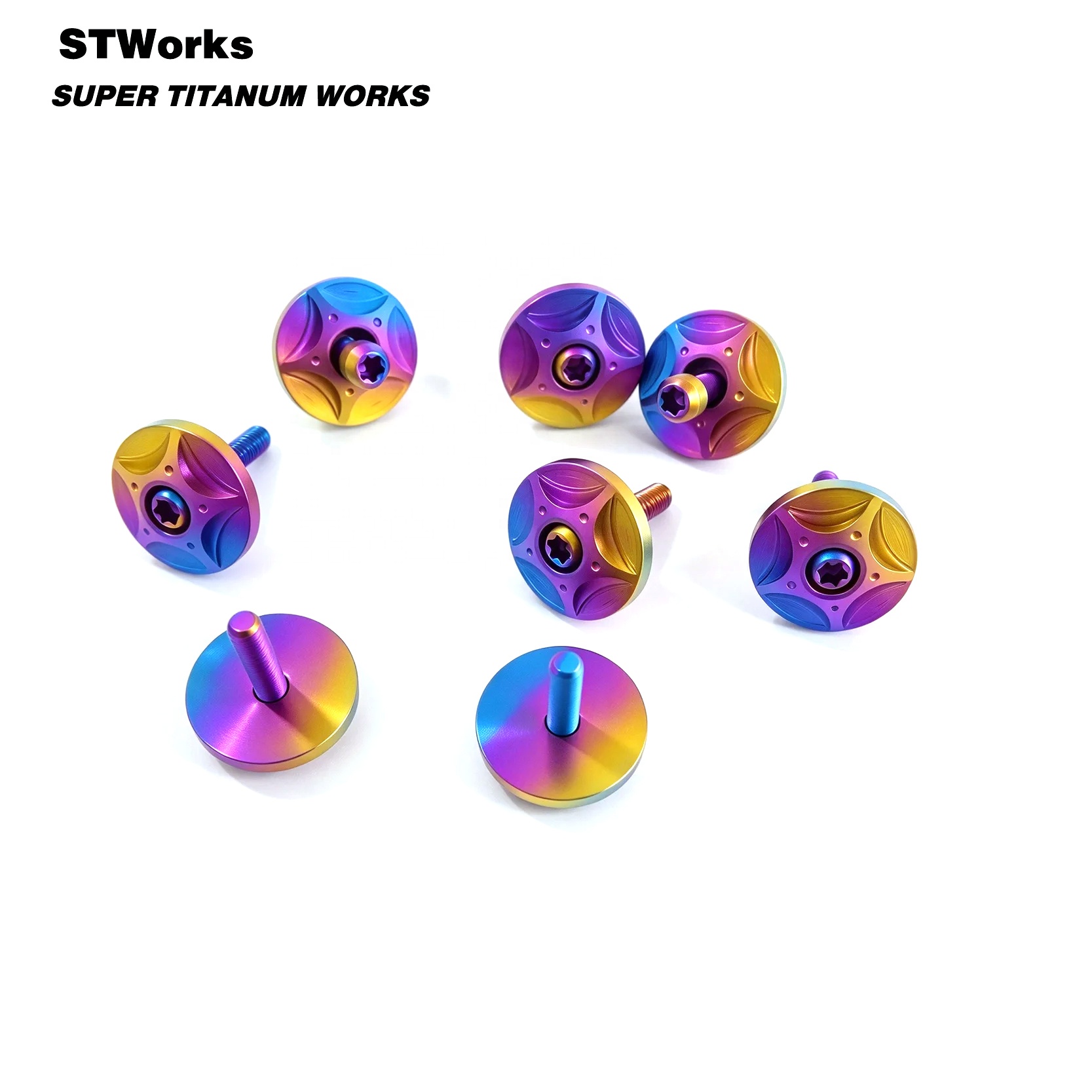
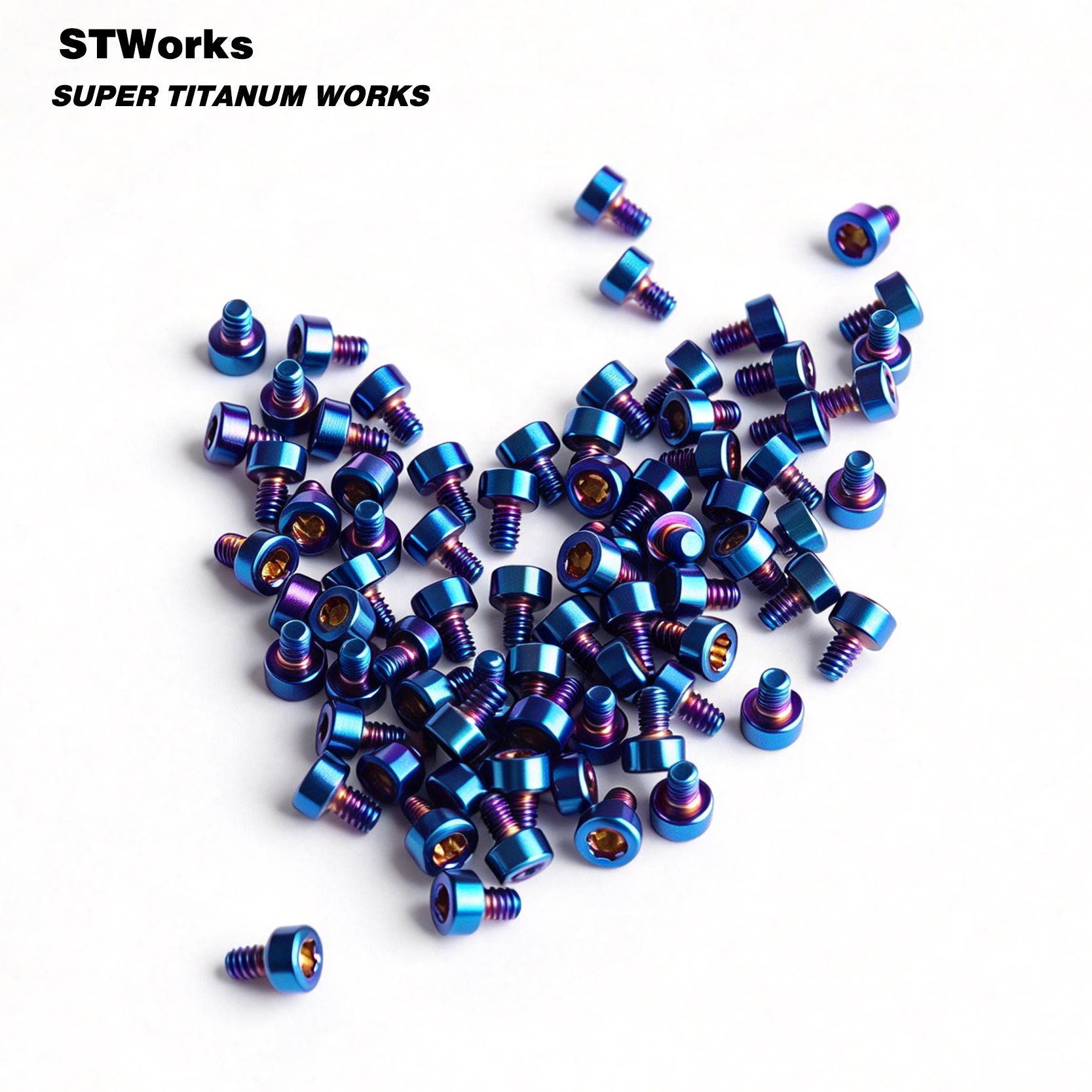
Directly sourced CNC-machined Grade 5 (Ti-6Al-4V) titanium components engineered for high thermal stress, corrosion immunity, and extreme mass reduction.
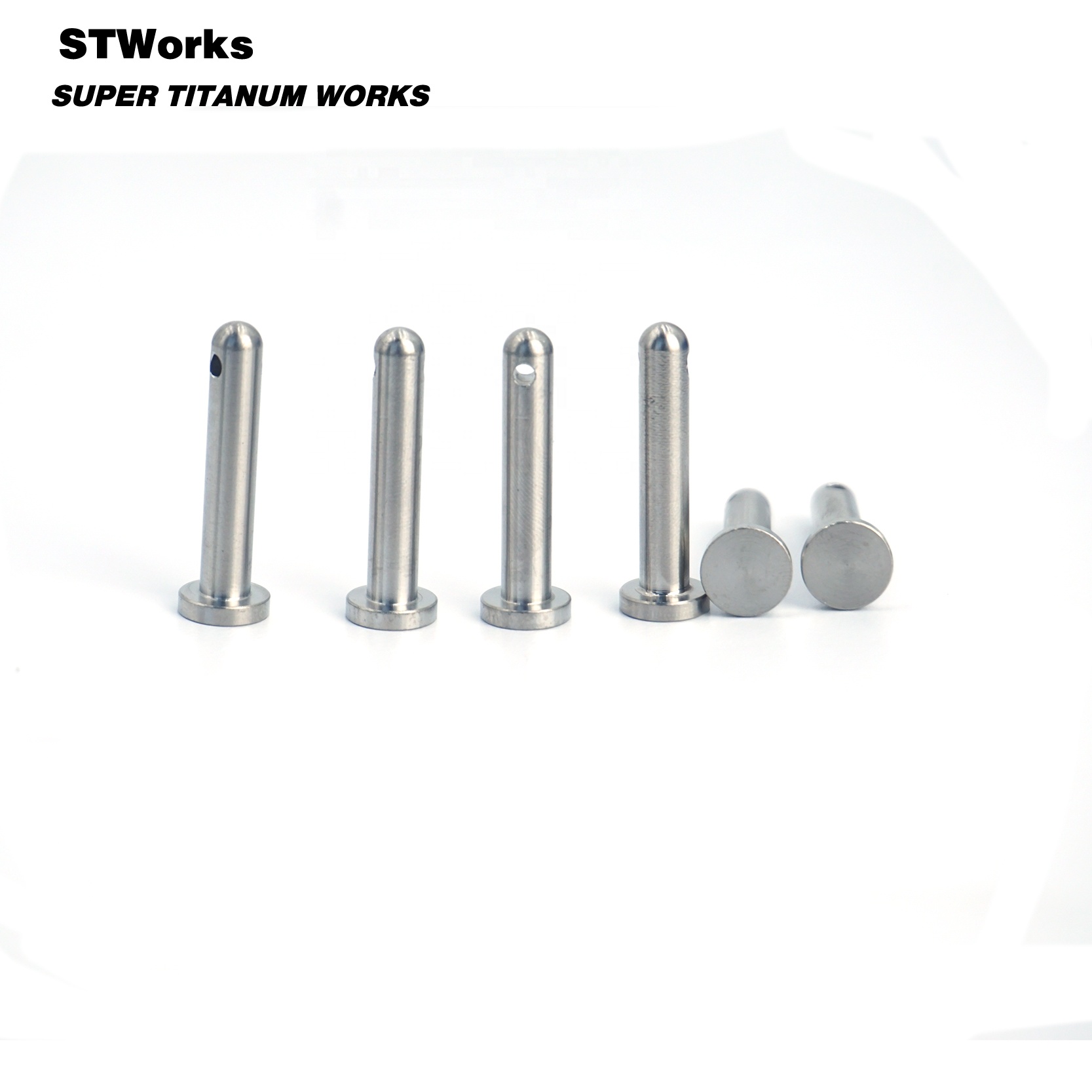
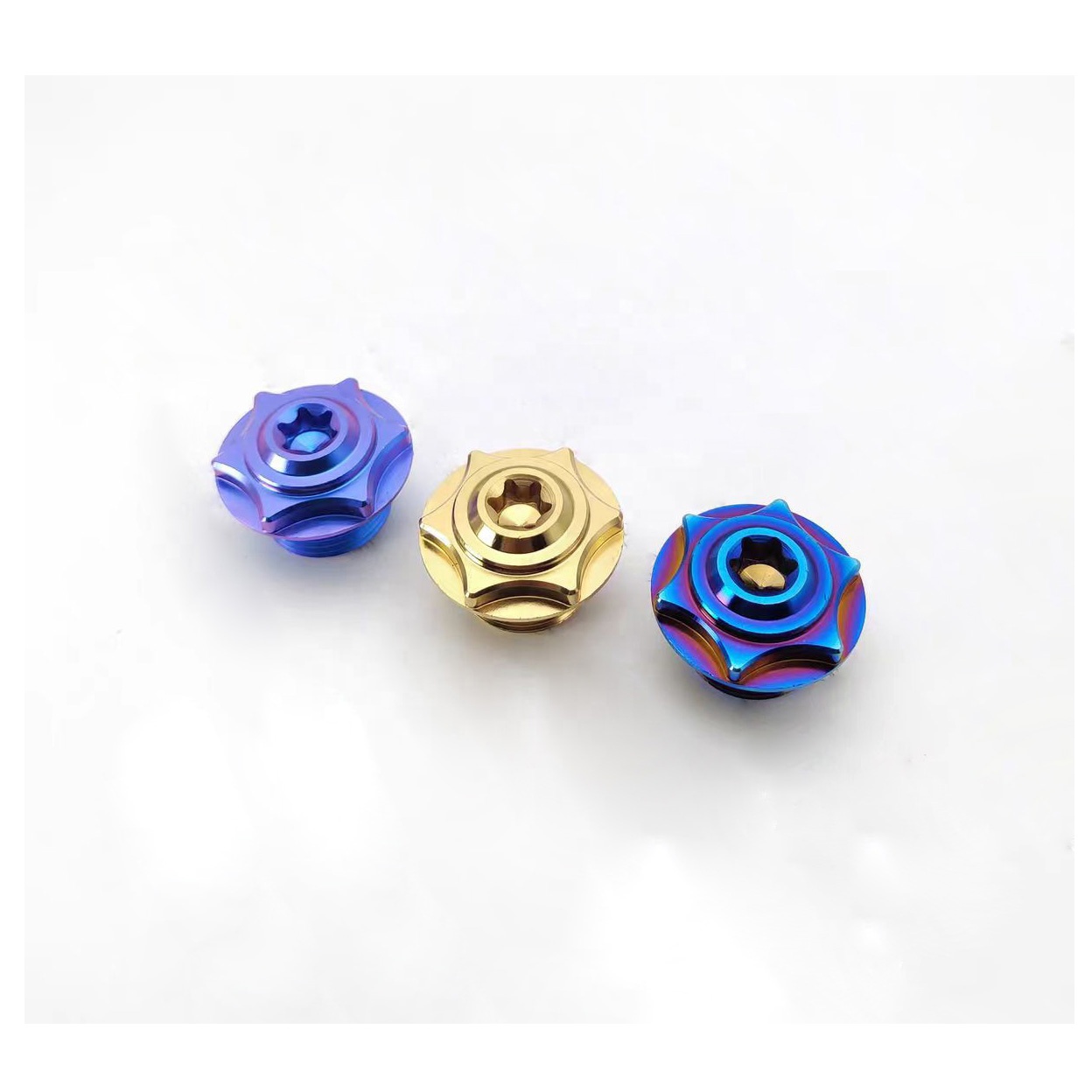
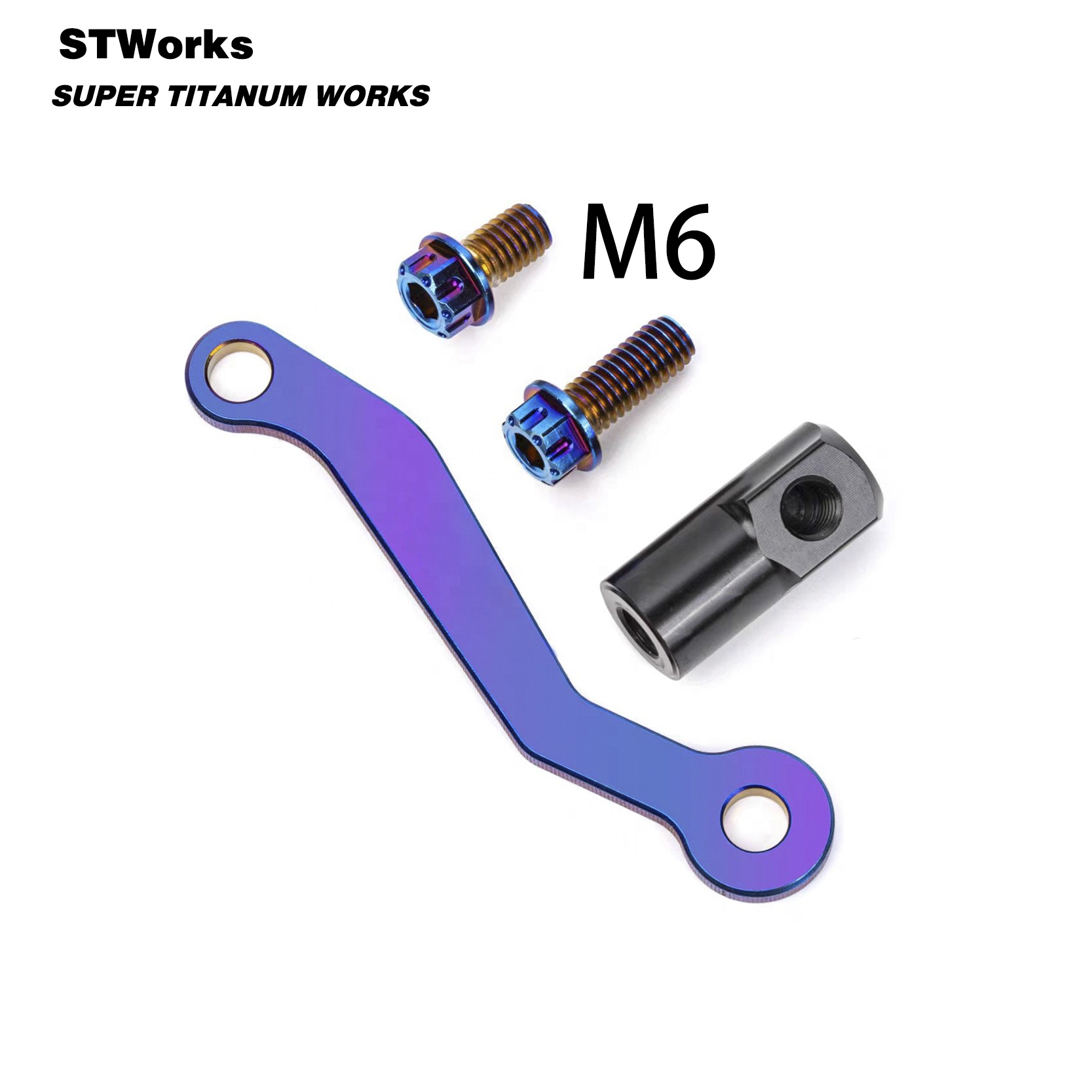
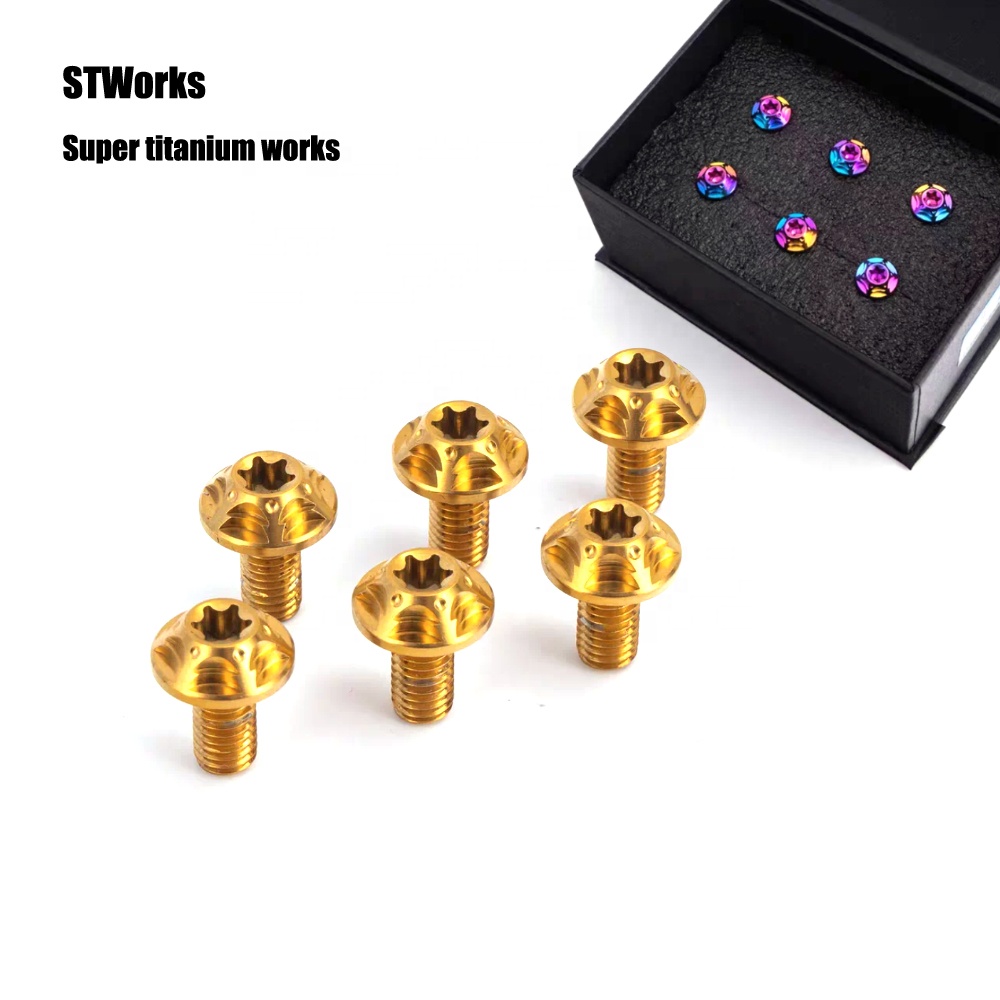
Engineering Insights: Titanium Exhaust Stud Metallurgy
Why Tier-1 automotive OEMs, aftermarket tuning houses, and aerospace powertrain teams are replacing stainless steel stud hardware with rolled-thread Ti-6Al-4V Grade 5 titanium studs.
Exhaust manifolds and turbocharger turbine housings present one of the most hostile operating environments in internal combustion engineering. Hardware installed on exhaust flanges experiences repeated thermal cycling between ambient temperatures and peak working temperatures exceeding 800°C (1,472°F), coupled with aggressive chemical oxidation and extreme vibration load dynamics.
Key Information Gain: Thermal Expansion Differential Matching
Traditional Grade 8.8 or 10.9 steel studs feature a Coefficient of Thermal Expansion (CTE) of ~12.0 × 10⁻⁶/K. When threaded into aluminum cylinder heads (CTE ~23.0 × 10⁻⁶/K), the drastic differential growth rates induce massive tensile fatigue on the stud threads during warmup, leading to pulled head threads, stud shearing, or flange warping. Grade 5 Titanium (Ti-6Al-4V) possesses a CTE of 8.6 × 10⁻⁶/K and a low elastic modulus (~114 GPa vs Steel's 210 GPa). This flexibility allows Ti studs to act as thermal spring-elements that absorb aluminum head expansion without stretching past their yield point or stripping the delicate cylinder head alloy.
| Material Specification | Yield Strength (MPa) | Tensile Strength (MPa) | Density (g/cm³) | Max Continuous Temp | Oxidation & Corrosion Resistance |
|---|---|---|---|---|---|
| Gr5 Ti-6Al-4V (TC4 Titanium) | 828 – 910 | 895 – 1000 | 4.43 | 400°C - 500°C | Immune to Salt & Rust |
| 304 Stainless Steel | 215 | 505 | 8.00 | 870°C | Moderate (Galls easily) |
| 316 L Stainless Steel | 290 | 580 | 8.00 | 920°C | High (Heavy weight) |
| Class 10.9 Steel (Zinc Plated) | 940 | 1040 | 7.85 | 350°C | Poor (Rusts under high heat) |
| Inconel 718 Nickel Alloy | 1100 | 1375 | 8.19 | 700°C+ | Extreme (High cost & mass) |
Top 10 Titanium Exhaust Studs Manufacturers & Factories Worldwide
Evaluated based on CNC manufacturing precision, thread-rolling technological capabilities, material certification integrity (Ti-6Al-4V Grade 5 purity), B2B export history, and custom OEM/ODM lead times.
Velnora Titanium Industry Co., Ltd.
Established in 2013, Velnora Titanium represents the benchmark in specialized high-grade titanium fastener production. Utilizing 5-axis CNC turning-milling centers and precise thread-rolling technology, Velnora manufactures race-spec titanium exhaust studs, 12-point flange nuts, and turbo locking hardware for international OEM automotive lines and aftermarket performance brands.
- Strict metallurgical control with 100% virgin Grade 5 Ti-6Al-4V certified raw material.
- Cold-rolled threads preventing stress concentration and increasing fatigue lifespan by 300%.
- Full OEM/ODM customization from customer STEP/IGES drawings with rapid 7-day prototyping.
- Transparent digital quality reporting: Photo & video production tracking prior to delivery.
ARP (Automotive Racing Products)
A household brand in motorsport engineering, ARP specializes in top-tier engine and exhaust hardware. Their high-end fastener catalog includes specialized titanium and alloy exhaust studs engineered specifically for drag racing, Formula, and high-boost turbocharged applications.
- Proprietary heat-treating processes ensuring maximum ultimate tensile strength.
- Extensive catalog for domestic V8, Japanese tuner, and European race manifolds.
- Strict ISO 9001:2015 quality assurance and aerospace testing protocols.
Poggipolini S.p.A.
Renowned for powering Formula 1 teams and hypercar manufacturers, Poggipolini is a global leader in ultra-lightweight high-precision titanium components. Their exhaust studs and hardware feature exceptional surface finish and aerospace-grade thread execution.
- Specialized in ultra-low tolerance aerospace and motorsport applications.
- Advanced hot-forging and multi-axis CNC machining capabilities.
- Direct supplier to European supercar and OEM motorsport divisions.
Tikore Titanium Engineering
Tikore focuses heavily on aerospace-grade titanium fasteners for exotic automobiles and high-performance exhaust system builds. They specialize in custom thread pitches, rolled threads, and specialized protective PVD anodizing finishes.
- In-house CNC machining tailored for exotic European performance cars.
- Rolled threads for superior shear strength and anti-fatigue performance.
- Aesthetic surface treatments including physical vapor deposition (PVD).
Lunsford Racing Fasteners
Pioneers in lightweight titanium turnbuckles, studs, and custom motor screws, Lunsford provides customized titanium hardware across powersports, automotive racing, and specialized industrial machinery.
- Grade 5 titanium precision machining with consistent batch tolerances.
- Extensive expertise in fine metric and UNC/UNF custom thread pitch studs.
- Proven durability across high-vibration racing conditions.
Baoji Lihua Titanium Industry
Operating out of China's primary titanium hub, Baoji Lihua manufactures large-volume industrial titanium rod stock, plates, and standard ISO/DIN titanium fasteners for petrochemical and automotive exhaust exporters.
- Mass manufacturing capacity with direct access to local raw titanium sponge melting.
- Standard DIN 912, DIN 939, and DIN 835 titanium stud bolt inventory.
- Competitive volume pricing for international distributor channels.
Ace Racing Fasteners
Ace Racing Fasteners supplies high-strength titanium hardware to the Australian drag racing, powerboat racing, and V8 Supercar series, specializing in custom manifold-to-head stud kits.
- Specialized 12-point double hex flange nuts matched with broached hex-head studs.
- High resistance to extreme thermal cycling under high boost.
- Custom race-kit packaging for immediate aftermarket assembly.
Metmachex Titanium Products
Metmachex delivers custom precision titanium engineering, swingarms, and bespoke engine/exhaust hardware for classic motorcycle restorations and modern race bikes across the UK and Europe.
- Bespoke low-volume production runs tailored for classic engine formats.
- High aesthetic standards with fine hand-polished or anodized finishes.
- Expertise in classic British and modern Japanese exhaust bolt thread patterns.
Titanium Works Engineering
Specializing in Japanese domestic market (JDM) tuning components, Titanium Works manufactures precision engine hardware engineered for Nissan GT-R, Toyota Supra, and Honda Type-R exhaust systems.
- Strict JIS standard thread tolerances ensuring drop-in OEM fitment.
- Innovative burnt-titanium rainbow oxide aesthetic finishes.
- High-precision EDM and Swiss lathe turning execution.
Titan Fasteners & Components
Serving the German automotive engineering sector, Titan Fasteners produces specialized high-temperature titanium bolts and exhaust studs according to strict DIN/ISO automotive quality guidelines.
- Full DIN compliance (DIN 938, DIN 939) for double-end stud hardware.
- Comprehensive 3.1 Material Test Reports (MTR) provided with every batch.
- Strong focus on commercial automotive and marine turbocharger hardware.
Future B2B Procurement Trends for Titanium Hardware (2025–2030)
Strategic purchasing insights for industrial buyers, automotive aftermarket brands, and powertrain engineers.
1. Shift from Machined Threads to Rolled Threads
In high-stress exhaust applications, cut threads are rapidly becoming obsolete. Machine-cut threads leave micro-notches at the root diameter that act as stress concentration points under high-frequency exhaust pulse vibration. Modern B2B procurement demands cold-rolled threads, where titanium grain structure is compressed rather than severed, resulting in a 20-30% higher fatigue resistance and smoother thread engagement that resists galling.
2. Automated Optical Inspection (AOI) & Digital Traceability
Tier-1 buyers are requiring 100% automated optical sorting and laser measurement for thread pitch, concentricity, and lead error. Factories like Velnora Titanium now integrate digital video verification and batch-specific Mill Test Certificates (MTC) matching EN 10204 3.1 standard directly with every export order shipment.
3. Advanced Anti-Galling PVD Nano-Coatings
While raw titanium provides extreme weight savings, uncoated threads are prone to galling when paired with titanium or stainless nuts under elevated temperatures. The industry is moving toward physical vapor deposition (PVD) anti-friction coatings (such as TiN, TiAlN, or DLC) and anti-seize micro-encapsulation, eliminating the need for messy copper pastes during assembly.
Engineering Evolution in Titanium Exhaust Stud Design
Key structural advancements enhancing installation speed, head clearance, and joint clamp load retention.
12-Point Flange Nuts & Broached Internal Hex Studs
Traditional hex head bolts present tool clearance challenges in tight engine bays near manifold runners. Modern titanium exhaust stud kits feature an internal Allen/Torx broached keyway on the outer stud end. This allows technicians to thread studs smoothly into the head without double-nutting. Paired with compact 12-point double hex flange nuts, socket clearance is reduced significantly while torque application remains exceptionally accurate.
- Broached hex tip simplifies stud installation and removal.
- 12-point nut distributes clamping force evenly over flange area.
- Eliminates stripped hex heads during high-heat teardowns.
- Saves up to 50% wrenching clearance space.
Why Partner with Velnora Titanium Industry Co., Ltd.?
Direct manufacturing power from Baoji, China's Titanium Valley — delivering precision, reliability, and total quality transparency since 2013.
Geographic Metallurgy Hub
Located in Jinhe Industrial Park, Baoji, Velnora enjoys direct proximity to the world's dense titanium sponge processing and testing ecosystem, guaranteeing 100% verified Gr5 Ti-6Al-4V raw stock.
Full-Spectrum In-House Machining
Equipped with high-precision CNC turning, 5-axis milling, specialized wire EDM, thread rolling, and automated laser etching machines to handle micro-screws (M2) up to heavy industrial sizes (M36).
Video-Verified Production Integrity
To eliminate overseas buyer risk, Velnora sends real-time high-definition machining photos and videos of customer batches during thread rolling, anodizing, and final dimensional inspection.
Frequently Asked Questions (B2B Sourcing FAQ)
Essential technical and logistical answers for engineering procurement managers.
How do you prevent thread galling on titanium exhaust studs during high-temperature operation?
Titanium alloys have a natural tendency to cold-weld or gall under high friction and load. To prevent galling, we recommend using rolled threads (which provide a polished surface finish), applying a copper-based or nickel-based high-temperature anti-seize lubricant upon assembly, or opting for our PVD-coated nut/stud combinations.
Can Grade 5 Titanium studs directly replace Class 10.9 or 12.9 steel manifold studs?
Grade 5 Titanium (Ti-6Al-4V) features a minimum yield strength of ~828 MPa and tensile strength of ~895-1000 MPa, making it directly comparable to Class 8.8 and near Class 10.9 steel. For exhaust manifolds, turbo risers, and header flanges, Gr5 titanium is ideal due to its superior CTE expansion matching and corrosion resistance. For extreme shear joints, engineering calculations should confirm clamp load requirements.
What standard thread sizes and pitches does Velnora manufacture for exhaust kits?
We produce standard metric sizes including M8x1.25, M10x1.25, M10x1.5, M12x1.25, and M12x1.5 double-ended studs. We also specialize in custom dual-thread studs (e.g., coarse thread into the aluminum head and fine thread for the outer copper/titanium nut) according to customer technical drawings.
What is the typical B2B Minimum Order Quantity (MOQ) and lead time?
Standard titanium stud hardware has a typical MOQ of 100 to 300 pieces per specification. Custom OEM orders from CAD drawings usually require 10 to 15 days for sample production, followed by 20 to 25 days for mass production depending on surface finish (anodizing, polishing, or PVD).
What certification and quality documentation do you provide with shipments?
Every shipment is accompanied by a material certificate according to EN 10204 3.1 detailing chemical composition and mechanical tensile testing results. Full dimensional inspection reports and thread gauge pass reports are attached prior to dispatch.
Request a Custom Quote & Technical Drawing Review
Need custom titanium exhaust studs, 12-point flange nuts, or precision CNC engine hardware? Send us your STEP file or OEM specifications for an instant engineer review within 4 hours.
Send an Inquiry