Precision Titanium Engineering Portfolio
Directly machined from certified aerospace Grade 5 (Ti-6Al-4V TC4) bar stock. Thread rolled and slotted to DIN, ANSI, and ISO tolerances.
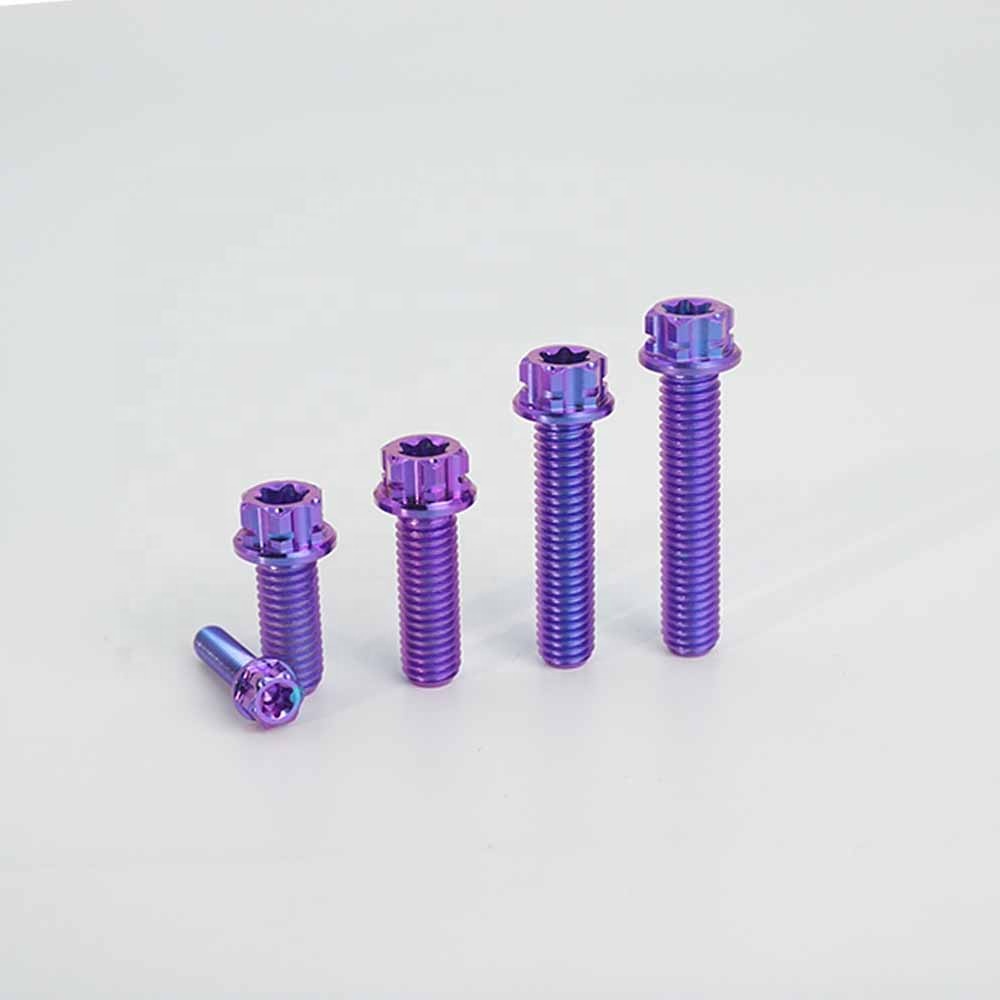
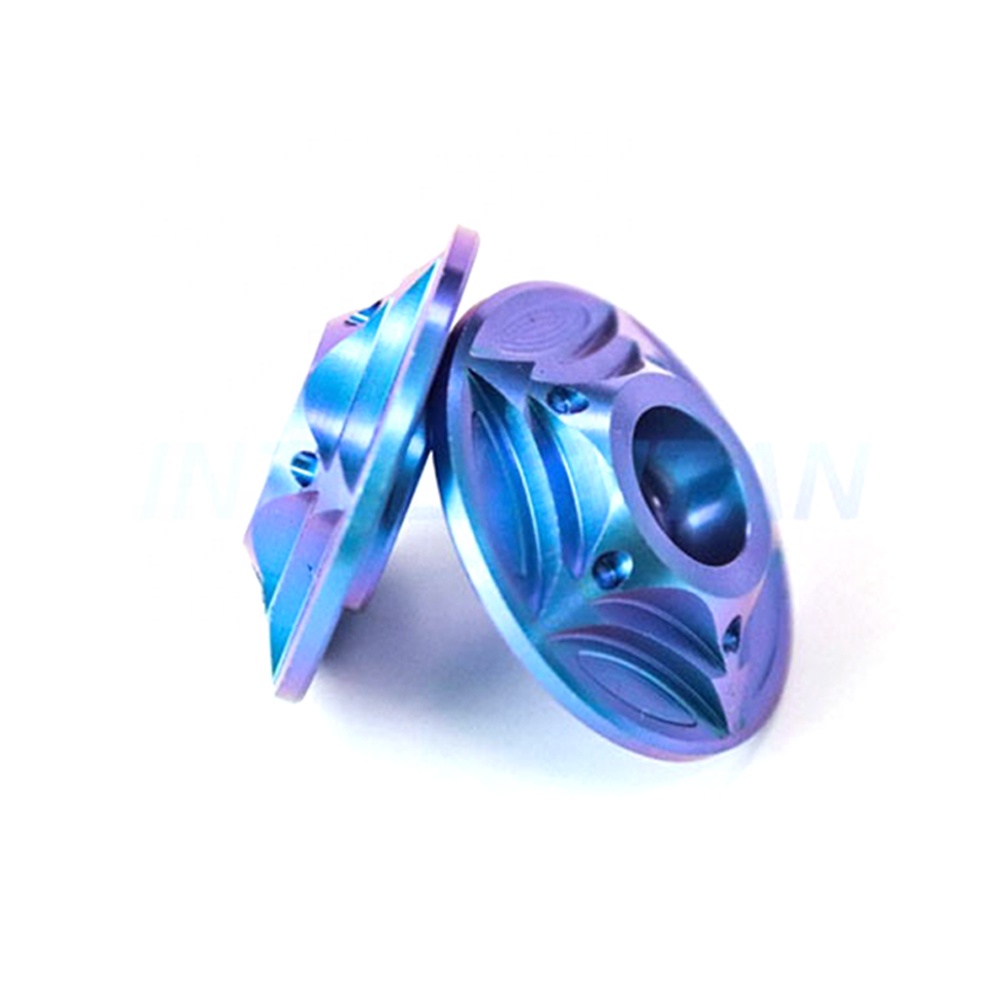
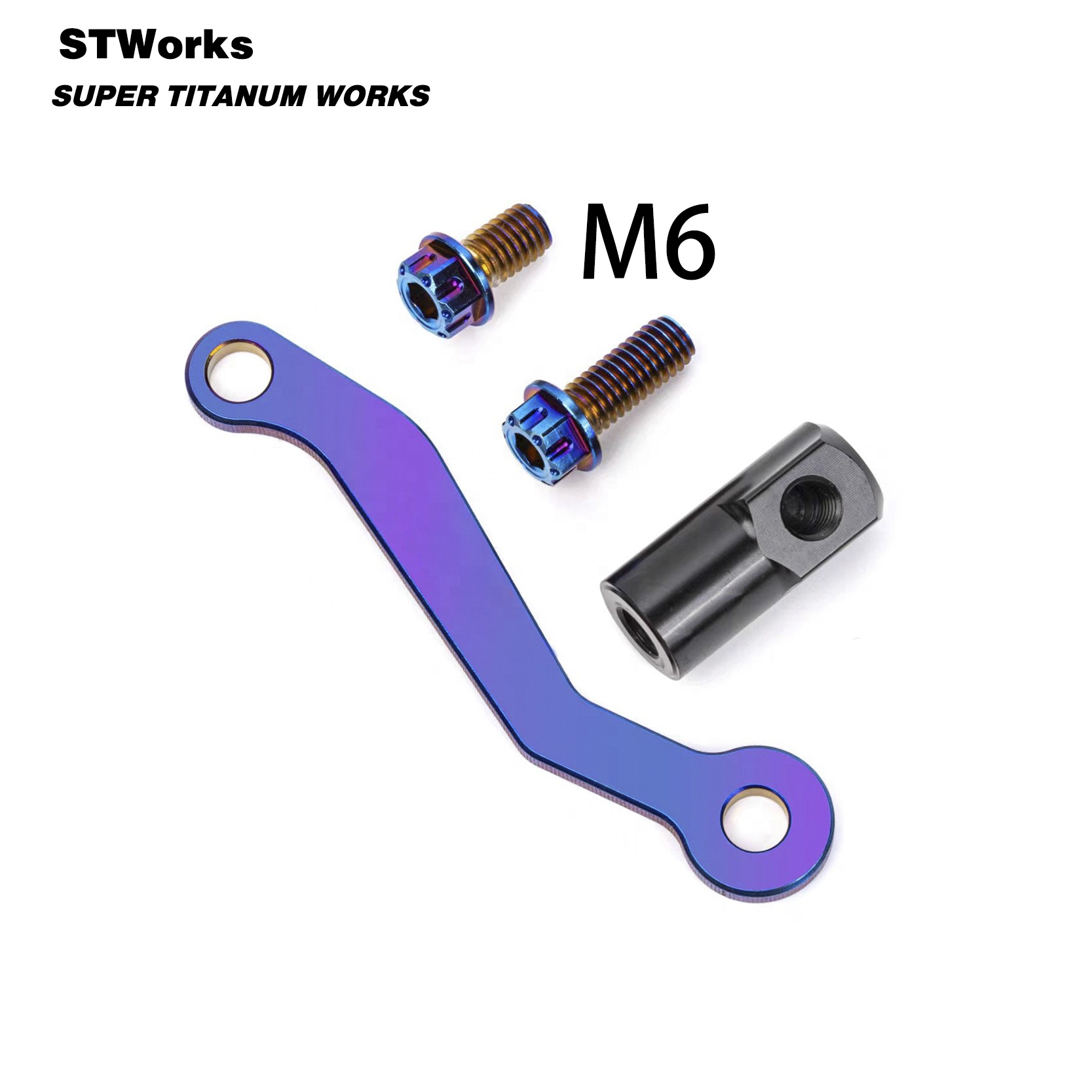
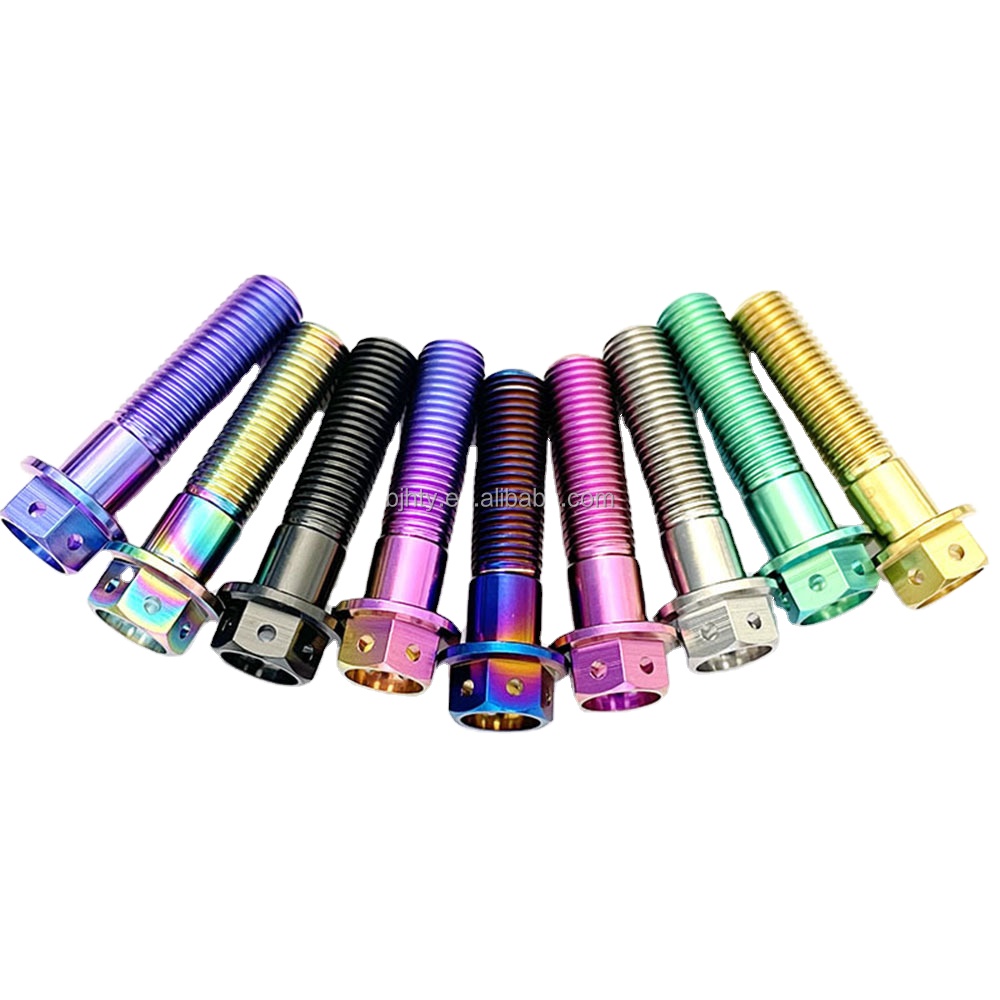
Engineering Fundamentals: Titanium Castle Nuts (DIN 935 / DIN 937) in Mission-Critical Joints
Castle nuts, frequently designated as slotted nuts within precision engineering frameworks, are the gold standard for positive mechanical locking in safety-critical assemblies. Unlike friction-dependent self-locking fasteners—such as nylon-insert locknuts (DIN 985) or all-metal prevailing torque nuts—a titanium castle nut relies on a physical, geometrically positive interlock. The nut features precision-milled longitudinal slots (castellations) positioned around its upper cylindrical crown. Once tightened to engineered pre-load, a split cotter pin (DIN 94) or safety wire is inserted through the slots and through a cross-drilled hole in the mating male fastener shank.
This physical barrier makes rotational loosening physically impossible without catastrophic shear failure of the cotter pin itself. In motorsport wheel spindle hubs, steering ball joints, drive axle stubs, aircraft landing gears, and high-vibration drone propulsion shafts, vibrational harmonics cause severe micro-slip in fastener threads. Under severe thermal fluctuations, nylon rings lose viscoelastic memory, and friction torque decays. Titanium castle nuts eliminate this failure mode entirely, retaining 100% mechanical security even if thread pre-load drops to zero.
Metallurgical Information Gain: Standard steel Grade 8.8 or 10.9 slotted nuts impose unacceptable unsprung weight penalties in racing hubs. Titanium Grade 5 (Ti-6Al-4V TC4) provides an exceptional strength-to-density ratio (density: 4.43 g/cm³ vs. 7.85 g/cm³ for steel), shedding 44% mass while maintaining a minimum ultimate tensile strength of 895 MPa to 1050 MPa. Furthermore, its non-magnetic, corrosion-free passive oxide layer (TiO&sub2;) renders it immune to chloride-induced pitting, road de-icing salts, and galvanic degradation when coupled with carbon fiber reinforced composites.
DIN 935 Standard vs. DIN 937 Low-Profile Slotted Nuts
When engineering slotted hardware interfaces, mechanical designers typically configure joints around two standardized profiles:
- DIN 935 (Full Height Castle Nut): Features a full-depth hex body integrated with an elevated slotted crown. Designed for high tensile and proof-load applications where thread engagement must equal or exceed 0.8× to 1.0× nominal thread diameter. Preferred in automotive rear axle spindles, motorcycle steering stems, and suspension lower control arms.
- DIN 937 (Thin Slotted Nut): Offers a lower overall profile (typically 0.5× to 0.6× nominal diameter) engineered strictly for shear and retention joints where axial pre-load requirements are low, but packaging space and mass are severely constrained, such as aircraft control linkages, throttle linkages, and aerospace actuator pivots.
Top 10 Global Titanium Castle Nut Manufacturers & Suppliers
An objective, capability-driven evaluation of the leading global manufacturers supplying precision Grade 5 and aerospace-grade slotted fasteners.
Velnora Titanium Industry Co., Ltd.
Founded in 2013 in the world's premier titanium supply cluster, Velnora specializes in high-precision Gr5 Ti-6Al-4V CNC machined and cold-rolled castle nuts, racing hardware, and aerospace-compliant fasteners. Equipped with multi-axis Swiss CNC turning centers, wire EDM, and in-house PVD/anodizing lines, Velnora delivers full DIN 935/937 production runs from rapid 50-piece prototypes to 500,000-piece OEM contracts. Real-time video quality verification ensures unmatched global client confidence.
LISI Aerospace
A world-renowned aerospace tier-1 enterprise specializing in airframe structural fasteners, engine fasteners, and slotted locking nuts. LISI manufactures to rigorous AS/EN/JIS specifications utilizing Ti-6Al-4V and high-temperature titanium aluminides for commercial jet airliners and military aircraft systems.
SPS Technologies (PCC Fasteners)
A premier high-strength fastener manufacturer serving global defense, space exploration, and hyper-critical industrial assemblies. Known for their MS21025 and NAS-compliant castellated shear nuts engineered with strict grain-flow controls and rolled root radius threads.
Racebolt UK
Specializing strictly in race-bred motorcycle and formula automotive hardware, Racebolt is renowned across MotoGP, British Superbikes, and Isle of Man TT teams. They machine Ti-6Al-4V castle axle nuts engineered with lightening pockets and secondary wire-lock safety holes.
Pro-Bolt International
A market leader in aftermarket high-grade fastener kits. Pro-Bolt manufactures precision titanium castle nuts for swingarm pivots, rear axles, and triple clamp applications, celebrated for their mirror polish and colored physical vapor deposition (PVD) finishes.
Ti64 Fasteners / Titanium Holdings
Rooted in NASCAR and NHRA racing country, Ti64 supplies Grade 5 slotted hub nuts and suspension fasteners subjected to violent shock loading. Their castle nuts prioritize extreme shear tolerance and rolled pitch diameters conforming strictly to UNJF Class 3B standards.
B&B Precision Engineering
Precision CNC engineering subcontractors specializing in low-to-medium volume, ultra-tight tolerance exotic alloy machining. B&B delivers custom bespoke titanium castellated fasteners for offshore oil & gas robotics and hypercar development programs.
Torq Titanium Japan
A niche Japanese manufacturing group dedicated to Super GT and Formula Nippon racing constructors. Torq produces cold-forged and precision-slotted JIS Grade 5 castle nuts celebrated for ultra-low dimensional tolerances (±0.005 mm) and specialized dry-lube moly plating.
Fabory Group
Operating as Europe's master fastener distributor with proprietary custom manufacturing divisions, Fabory provides comprehensive DIN 935 titanium distribution across continental European industrial machinery, chemical processing plants, and marine constructors.
Böllhoff Group
An international heavyweight in engineered assembly technology and lightweight mechanical joints. Böllhoff offers advanced engineering verification and customized titanium slotted fastening systems specifically tailored to electric vehicles and aerospace structural pods.
Technical Specifications Matrix: Gr5 Ti-6Al-4V Slotted Castle Nuts
B2B procurement managers and stress engineers require empirical metallurgical and dimensional data when qualifying replacement hardware for class 8.8 or 10.9 steel nuts. The matrix below defines the baseline physical, chemical, and dimensional benchmarks maintained across precision manufacturing runs.
| Property Parameter | Titanium Grade 5 (Ti-6Al-4V TC4) | Commercial Pure Gr2 Ti | AISI 304 Stainless Steel | Property Class 10.9 Steel |
|---|---|---|---|---|
| Density (g/cm³) | 4.43 g/cm³ (44% lighter than steel) | 4.51 g/cm³ | 7.93 g/cm³ | 7.85 g/cm³ |
| Min. Yield Strength (0.2%) | 828 MPa - 910 MPa | 275 MPa | 215 MPa | 940 MPa |
| Ultimate Tensile Strength | 895 MPa - 1050 MPa | 345 MPa | 505 - 700 MPa | 1040 MPa |
| Modulus of Elasticity | 114 GPa (high compliance) | 105 GPa | 193 GPa | 210 GPa |
| Operating Temp Window | -250°C to +400°C | Up to 300°C | -196°C to 450°C | -50°C to 200°C |
| Corrosion (Salt Spray ASTM B117) | Immune (> 2000 hrs zero rust) | Immune | Pitting after 400 hrs | Rapid failure without plating |
Thread Integrity Note: Velnora machines all titanium slotted castle nuts strictly with CNC single-point threading or cold thread rolling methods followed by precision live-tooled slot broaching. This preserves continuous grain flow along the root radii, avoiding stress-concentration micro-cracks that occur in conventional abrasive cutting.
Why OEM Engineers Partner with Velnora Titanium
Based in Baoji, China's Titanium Valley, we combine raw material mill integration with state-of-the-art precision CNC machining and complete quality transparency.
Baoji Raw Material Hub
Direct integration with China's largest titanium smelting hub ensures certified AMS 4928 and ASTM B348 Ti-6Al-4V bar stock with full Mill Test Certificates (EN 10204 3.1).
Real-Time Video Transparency
We provide live inspection videos and production clips during multi-axis machining, broaching, and thread checking, eliminating remote procurement anxiety.
≤ 4-Hour RFQ Engineering Response
Direct communication with senior CNC program engineers ensures rapid DFM feedback on STEP/IGES/PDF drawings within 4 business hours.
Agile Low-MOQ Prototyping
Flexible manufacturing schedules support prototype sample runs from 50 pieces up to full-scale automated production runs of 100,000+ units.
Advanced Surface Engineering
Proprietary micro-arc oxidation, titanium anodizing (bronze, purple, blue, gold), and physical vapor deposition (PVD DLC/TiCN) prevent thread galling under high pre-loads.
1000+ Global OEM Clients
Exporting across North America, Europe, Australia, and Japan since 2013, meeting international customs, packaging, and commercial escrow standards.
Procurement Trends & Technological Evolution
Key macroeconomic and metallurgical shifts reshaping how engineering departments procure titanium slotted hardware over the next decade.
Electric Vehicle Wheel Hub & Drivetrain Migration
As electric vehicles demand extreme weight reductions to extend battery range, unsprung mass at the wheel spindle and motor output shafts has come under strict scrutiny. Tier-1 automotive developers are replacing heavy class 10.9 steel slotted axle nuts with Gr5 titanium castle nuts, yielding a ~45% rotational inertia reduction while eliminating eddy current interference.
Proprietary Anti-Galling & Solid-State Lubricant Coatings
Titanium fasteners historically exhibited galling tendencies under high contact pressure due to their thin passive oxide layer. The industry is moving rapidly toward dry-film solid lubricant coatings, micro-blasted molybdenum disulfide (MoS&sub2;), and thin diamond-like carbon (DLC) coatings that enable clean torquing without liquid anti-seize paste.
Circular Metallurgy & Supply-Chain Near-Shoring
Escalating geopolitical mineral constraints are driving B2B buyers to mandate closed-loop certified titanium recycling. Forward-thinking manufacturers like Velnora recover 100% of clean titanium swarf, re-smelting it into aerospace-grade secondary ingots, thereby lowering fastener carbon footprints by up to 38%.
Technical & Commercial Sourcing Answers
Clear, engineering-backed answers to the questions most commonly raised by purchasing managers and quality control teams.
Never back off a castle nut to align the slot with the pin hole. Tighten the nut to the lower limit of the specified torque range. If the slot does not align with the hole, continue torquing clockwise toward the upper torque limit until alignment occurs. If the hole cannot be reached within the allowable torque threshold, replace or reposition the underlying hardened washer.
Yes, in the vast majority of shear and retention joints (such as wheel spindles, ball joints, and steering pivots). Ti-6Al-4V provides an ultimate tensile strength of 950–1050 MPa, closely matching Class 10.9 steel (1040 MPa). However, because titanium possesses a lower modulus of elasticity (114 GPa vs 210 GPa for steel), verify thread engagement length is at least 1.0× nominal bolt diameter.
We strongly advise matching the cotter pin material to either Grade 2 CP Titanium, Grade 5 Titanium, or high-nickel passivated 316 Marine Grade Stainless Steel. Avoid carbon steel cotter pins, which will initiate galvanic corrosion against the noble titanium nut in humid or marine operating environments.
Each production lot ships with complete Material Test Reports (MTR) according to EN 10204 3.1 certifying chemical composition (ICP-OES) and mechanical yield/tensile testing. Dimensional CMM inspection reports, optical comparator slot checks, and surface roughness (Ra) certificates are supplied on request.
Request an Engineering Drawing Review & Factory Quote
Whether you require standard DIN 935 / DIN 937 titanium castle nuts or bespoke slotted axle hardware machined to your proprietary tolerances, our engineering team in Baoji delivers fast DFM feedback and competitive production pricing.