Precision Titanium Fasteners & Specialized CNC Hardware
Manufactured from premium vacuum-arc remelted (VAR) Ti-6Al-4V TC4 bar stock. Explore our high-demand OEM/ODM production portfolio with direct engineering inspection links.
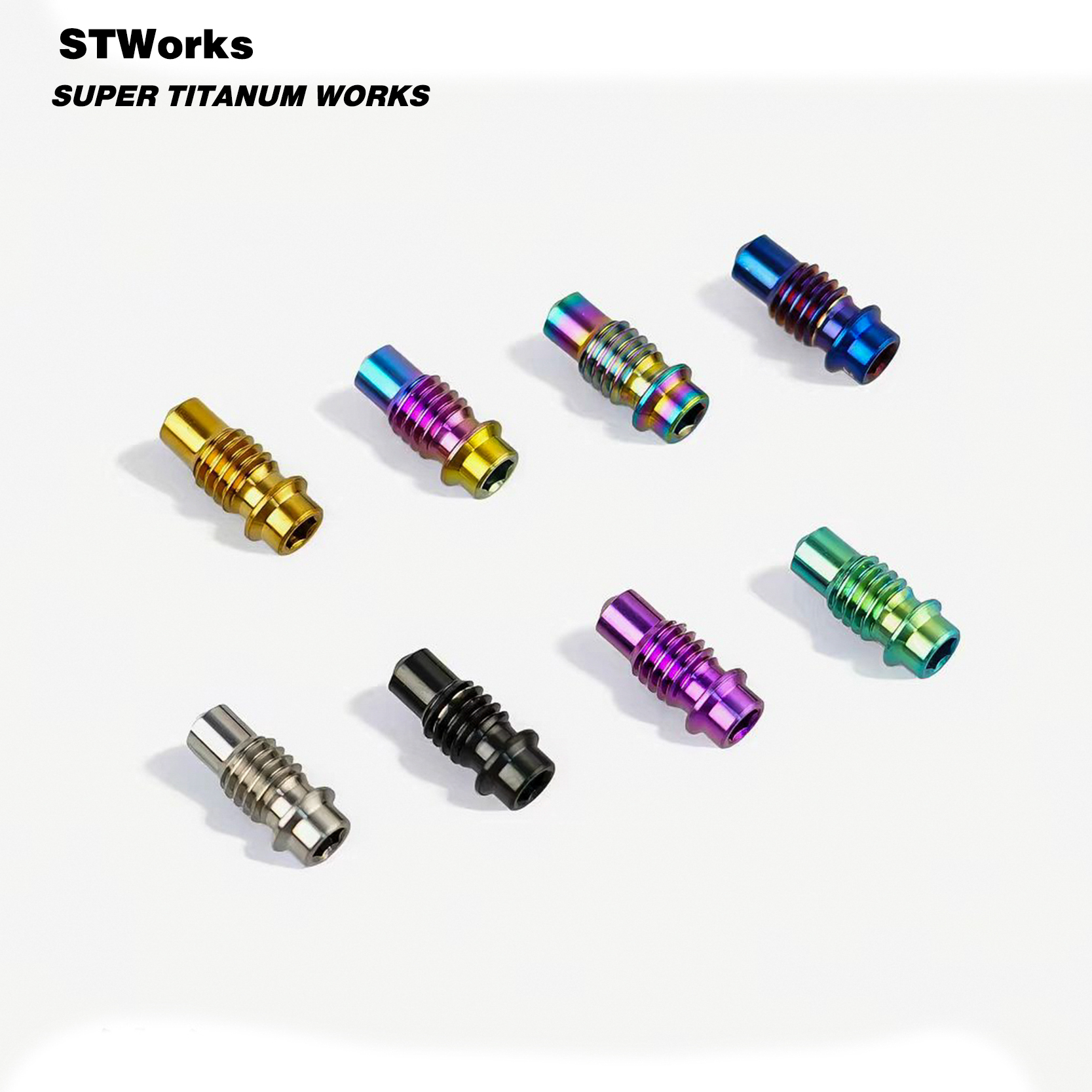
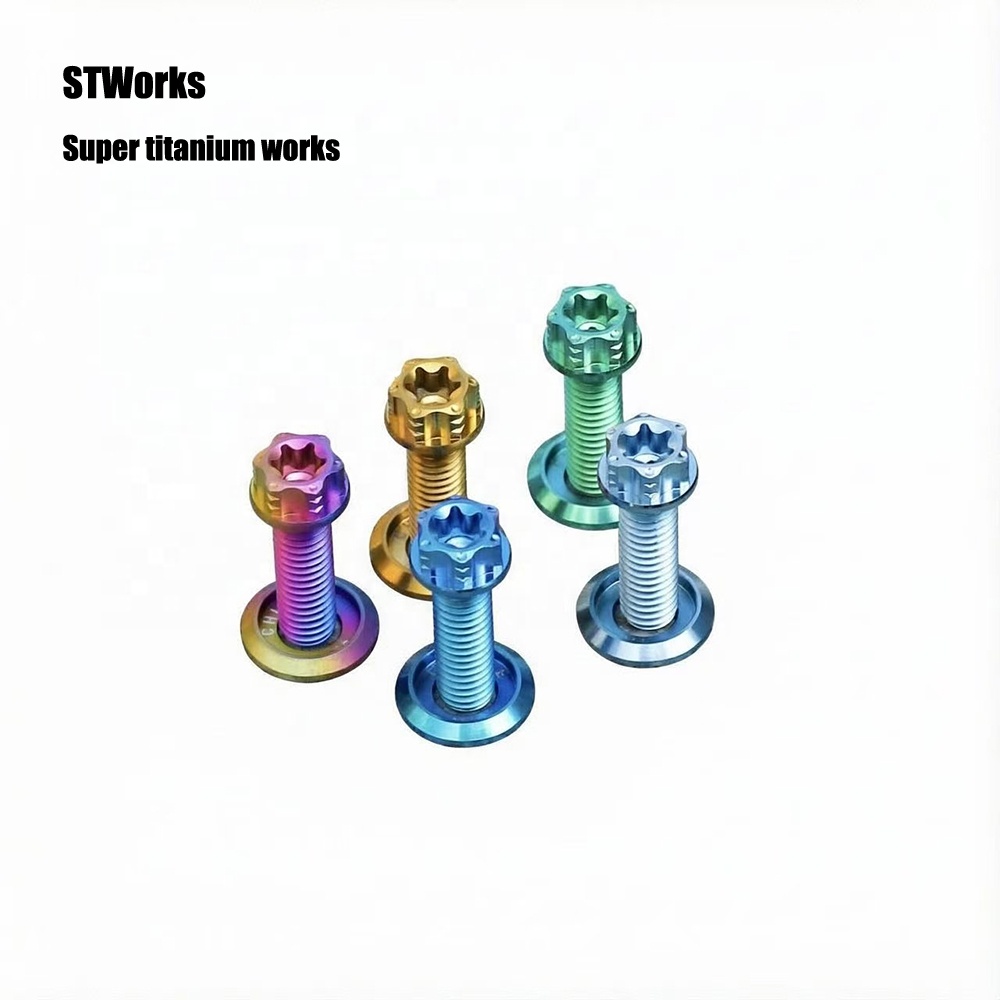
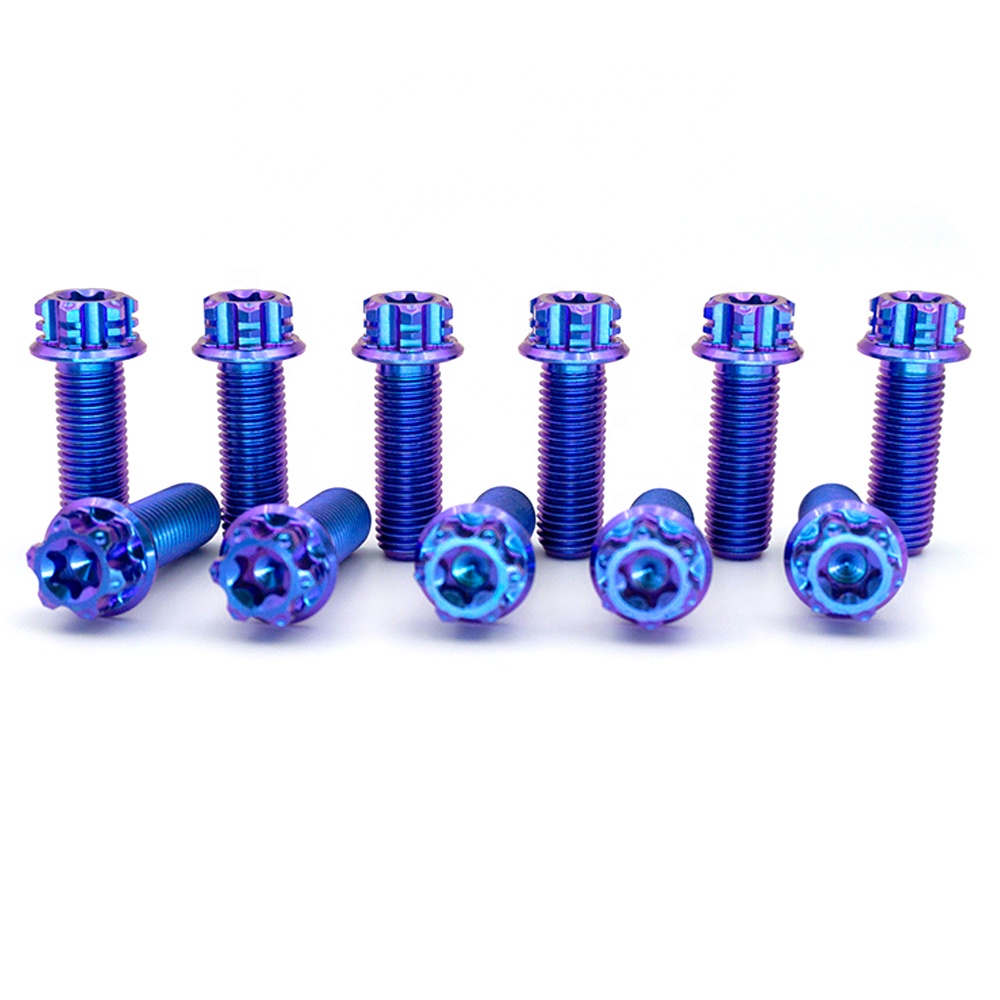
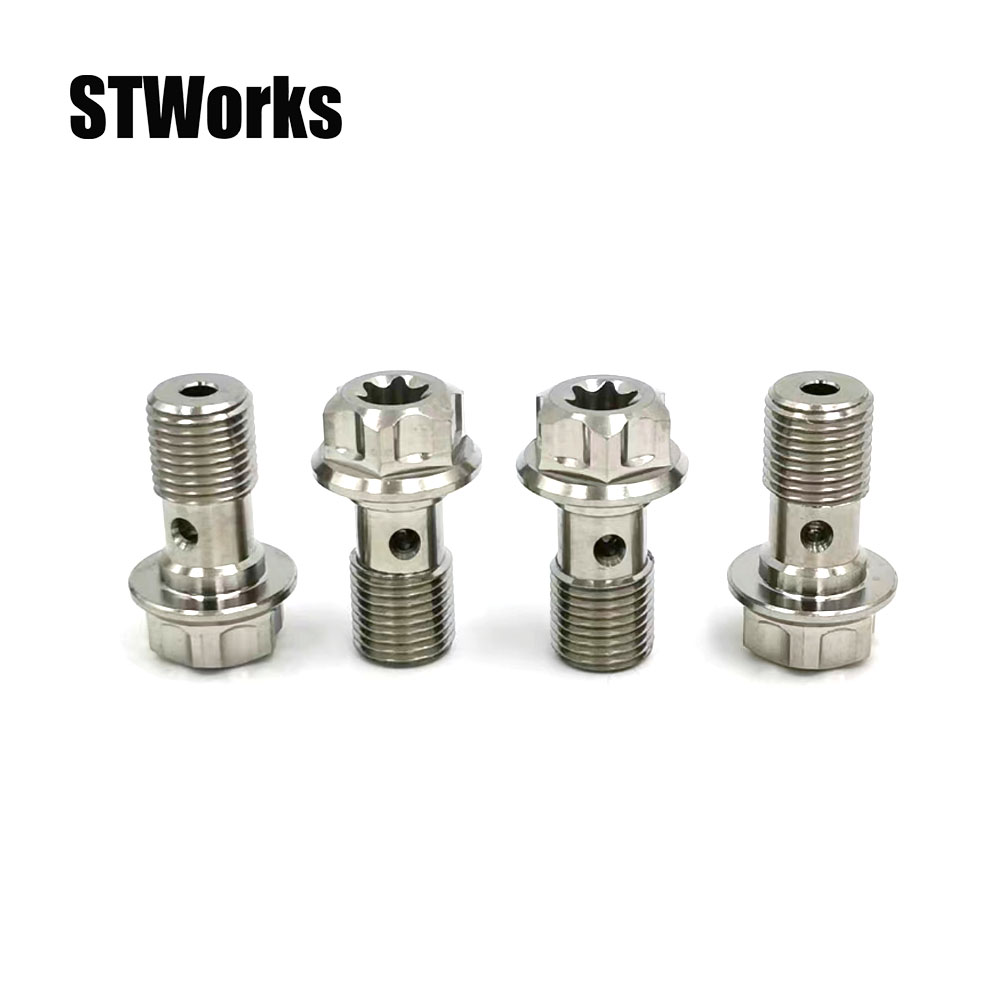
Hexalobular (Torx) Mechanics & Grade 5 Titanium Metallurgy
Why modern critical engineering assemblies are systematically phasing out conventional internal hex (Allen) and cross-recess drives in favor of precision cold-formed or CNC-broached Torx titanium fasteners.
Elimination of Cam-Out & Radial Stress
Standard hex sockets introduce a 60° drive angle that generates high outward radial vectors, forcing the driving bit out of the recess and splitting lightweight bolt heads. The hexalobular profile (ISO 10664 / Torx) operates at an optimized 15° drive angle. This near-tangential vector transfers torque purely in shear, reducing bit-to-recess wear by over 80% and allowing dramatically higher pre-loads on low-profile disc brake rotor and engine casing bolts.
Alpha-Beta (α+β) Microstructural Integrity
Ti-6Al-4V (Grade 5 / TC4) is an alpha-beta dual-phase titanium alloy. The 6% aluminum stabilizes the hexagonal close-packed (HCP) alpha phase to bolster high-temperature tensile strength up to 400°C. Meanwhile, the 4% vanadium stabilizes the body-centered cubic (BCC) beta phase, granting critical ductility and cyclic fatigue toughness. Our vacuum annealing treatments preserve microstructural grain boundaries at ASTM Grade 5 or finer, preventing catastrophic brittle fractures under high shear.
Rolled Thread Fiber Flow vs. Cut Threads
Unlike standard machine shops that CNC-turn threads by severing metallic grain fibers, our structural Torx fasteners feature thread profiles formed via high-pressure thread-rolling dies. Cold rolling continuously redirects the titanium crystalline grain flow along the root contours, generating deep localized compressive stresses. This process eliminates microscopic root notches and elevates fatigue endurance life by more than 300% under high cyclic vibrations.
Metallurgical Benchmarks: Fastener Alloy Performance Comparison
Verified laboratory parameters comparing annealed Ti-6Al-4V fastener bar against standard aerospace and motorsport grades.
| Mechanical / Physical Property | Grade 5 (Ti-6Al-4V) Fasteners | Grade 2 CP Titanium | 316L Stainless Steel | Class 10.9 Carbon Steel | 7075-T6 Aluminum |
|---|---|---|---|---|---|
| Density (g/cm³) | 4.43 (44% Lighter than Steel) | 4.51 | 8.00 | 7.85 | 2.81 |
| Ultimate Tensile Strength, Rm (MPa) | 950 – 1050 | 345 – 450 | 580 – 680 | 1040 | 570 |
| Yield Strength, Rp0.2 (MPa) | 880 – 920 | 275 | 290 | 940 | 505 |
| Specific Strength (Strength-to-Weight) | 214 kN·m/kg (Class-Leading) | 76 kN·m/kg | 72 kN·m/kg | 132 kN·m/kg | 202 kN·m/kg |
| Elastic Modulus (Young's, GPa) | 110 – 114 (Dampens Shock) | 103 | 193 | 210 | 72 |
| Electrochemical / Salt Spray (ASTM B117) | Immune (>2000 hrs Zero Pitting) | Immune | Moderate Surface Rust | Severe Rust (<48 hrs) | Pitting without Hard Anodize |
| Drive Recess Cam-Out Resistance | Exceptional (Torx / ISO 10664) | Poor (Galls readily) | Moderate (Allen/Phillips) | High (Subject to corrosion) | Extremely prone to stripping |
Future Procurement Trends in Titanium Torx Fasteners (2025–2030)
Global supply chain shifts, tightening aerospace weight budgets, and electrification requirements are redefining procurement standards for high-tensile hardware.
Electrification & Unsprung Mass Budgets
Electric hypercars, e-VTOL urban aircraft, and high-spec electric motorcycles operate under extreme battery weight constraints. Procurement engineers are aggressively replacing M5–M12 suspension and rotor steel hardware with Gr5 Titanium Torx bolts to cut rotational inertia, directly extending vehicle range and battery efficiency.
Mandatory EN 10204 3.1 Traceability
Global Tier-1 procurement is enforcing strict chemical origin validation. Low-cost, non-certified scrap melting is being systematically audited out. Buyers now require vacuum arc double-melted ingots with lot-traceable raw material chemical composition and third-party ultrasonic defect scans.
Torx Plus (IP) & External E-Torx Adoption
High-speed automated robotic assembly plants are requiring Torx Plus® geometries featuring 0° drive angles and broader lobe flanks. This profile accommodates up to 25% higher automated installation torque without driver bit slippage, increasing cycle speeds on industrial assembly lines.
Functional PVD Nanocoatings vs. Anodizing
While standard electrochemical anodizing satisfies cosmetic requirements, procurement teams are shifting toward vacuum PVD ceramic films (TiN, TiAlN, and DLC). These 2–4 μm thick coatings provide extreme surface hardness (HV >2500) and dry anti-galling lubrication, eliminating the need for wet anti-seize paste in cleanroom environments.
Engineering Solutions for Galling & Dissimilar Metal Corrosion
Overcoming titanium's inherent tribological challenges through advanced surface engineering and metallurgical micro-geometry control.
Tribological Mechanics: Overcoming Thread Galling
Titanium has high chemical reactivity at unlubricated contact surfaces. Under dynamic tightening friction, the micro-thin natural TiO2 passivation layer can shear off, causing direct titanium-to-metal cold microwelding (thread galling).
To resolve this in mission-critical OEM orders, our Baoji plant utilizes cold surface densification and thread roller burnishing down to Ra 0.2 μm, significantly reducing peak-to-valley asperities.
Furthermore, we offer factory-applied dry-film lubricants including baked MoS2 (molybdenum disulfide) and microencapsulated anti-seize compounds, delivering consistent, predictable friction coefficients (μ = 0.10–0.12) straight out of the box.
Carbon Fiber (CFRP) & Galvanic Compatibility
When aluminum alloy bolts are driven into carbon fiber-reinforced polymer (CFRP) panels, an extreme galvanic potential difference (approx. 1.0V) rapidly oxidizes and destroys the aluminum fastener via galvanic corrosion.
Titanium resides at nearly the identical noble electrode potential as carbon fiber (+0.1V to -0.1V vs. SCE), rendering Grade 5 Torx fasteners virtually inert against galvanic cell creation.
This fundamental electrochemical nobility makes our Torx low-profile and countersunk screws the premier fastener choice for aerospace composite skins, racing monocoques, and high-end carbon road bicycle frames.
Why Tier-1 Brands Partner with Velnora Titanium
Headquartered in Baoji—the heart of China's Titanium Valley—since 2013, our integrated manufacturing model combines regional raw material mastery with aerospace CNC precision.
Established Year
Global OEM/ODM Clients
Direct Engineering Response
CNC Swiss-Turned Tolerance
Baoji "Titanium Valley" Supply Hub
Direct proximity to prime raw titanium sponge refineries guarantees certified purity and rapid procurement cycles, eliminating secondary warehousing markups and raw-material batch variance.
Production Video & Photo Auditing
We provide full transparency. Our machining lines stream dynamic video and high-resolution photo logs of cutting, thread rolling, and CMM inspection routines directly to international buyers prior to export dispatch.
Comprehensive Finishing & Wire EDM
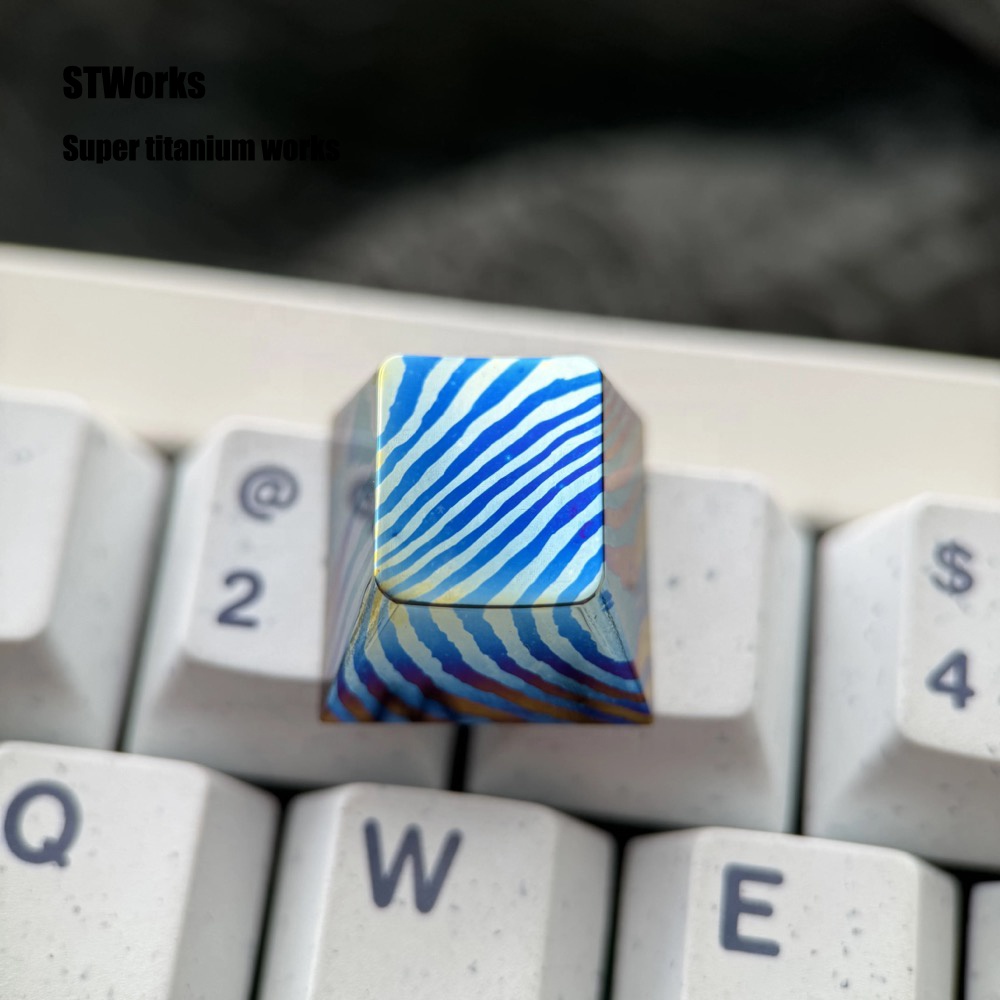
From micro-wire EDM forming of complex Timascus (Mokuti) Damascus patterns to precision PVD nitriding and spectrum anodizing, our facility manages all finishing in-house under strict ISO 9001 compliance.

Frequently Asked Questions on Titanium Fastener Procurement
Direct, engineering-backed answers addressing the most critical specifications, installation constraints, and OEM requirements.
Can Grade 5 Titanium Torx bolts directly replace Class 10.9 or 12.9 alloy steel bolts?
Grade 5 titanium (Ti-6Al-4V) features a minimum tensile strength of 895–950 MPa and yield strength of ~880 MPa, making it directly comparable to Property Class 8.8 structural steel, with a 44% mass reduction.
For applications utilizing Class 10.9 (1040 MPa) or Class 12.9 (1220 MPa) bolts—such as heavy automotive cylinder heads, high-load suspension pivot studs, or critical crane hooks—titanium cannot be swapped one-to-one based on shank diameter alone. For safety-critical joints, engineering teams must either step up one nominal thread size (e.g., M8 to M10) or have joint clamp load verified by a stress analyst.
What tightening torque should be specified for Titanium Torx bolts?
Titanium's elastic modulus (114 GPa) is roughly half that of alloy steel (210 GPa). Consequently, titanium stretches twice as much under an equivalent clamp load. When torquing dry titanium, friction is erratic, risking galling before the desired bolt stretch is attained.
We recommend always applying an anti-seize compound (copper-based, aluminum-based, or synthetic PTFE/fluoropolymer) or specifying our pre-applied MoS2 dry film. With a lubricated thread factor (k ≈ 0.11), torque values should generally be adjusted to 80–85% of standard 8.8 steel values to achieve optimal pre-load without yielding the threads.
Why are rolled threads strictly required over CNC-cut threads for dynamic parts?
Single-point CNC thread cutting acts as a miniature chisel that shears across the material's microstructural grain orientation, creating microscopic tear lines and stress risers at the thread root. Under harmonic racing conditions or cyclic brake pulsing, these micro-notches trigger fatigue cracking.
At Velnora, all structural Torx fasteners (M3 through M24) utilize cold thread rolling. Cylindrical dies plastically deform the titanium blank, forcing the crystalline fibers to contour uninterrupted around the roots and crests. This imparts residual compressive stress at the critical root radius, boosting dynamic fatigue resistance by over 300%.
How do electrochemical anodized colors compare to PVD coatings?
Electrochemical Anodizing: An electrolytic process that controls the thickness of a transparent titanium oxide film (TiO2) via voltage regulation (15V to 110V). Light interference generates colors such as gold, bronze, purple, royal blue, and rainbow. It uses zero artificial pigments, adds zero thickness/weight, but can wear down under intense abrasive rubbing.
PVD (Physical Vapor Deposition): An ultra-high vacuum process depositing metallic nitrides (such as Titanium Nitride for rich gold, or Diamond-Like Carbon for deep jet black). PVD provides true structural surface enhancement: 2–4 microns thick with hardness exceeding 2500 Vickers (HV), offering superior scratch and chemical wear resistance for exposed racing and marine fasteners.
What are your standard OEM/ODM Minimum Order Quantities (MOQ) and lead times?
Standard DIN/ISO catalog Torx fasteners in stock require an MOQ of just 50–100 pieces. Custom OEM/ODM orders machined to customer CAD files (STEP, IGES, DXF) generally have an initial pilot MOQ of 100–300 pieces depending on shank complexity, cross-hole drilling, and finishing specifications.
Specialty Timascus (Mokuti) components and high-tier EDC items are available with trial orders starting from 1 piece. Rapid prototyping ships in 5–7 working days; recurring batch container orders typically ship in 18–25 days via express air or sea freight.
Can custom head markings, drive shapes, or captive washers be integrated?
Yes. Our multi-axis machining and stamping line offers custom laser-engraved or embossed head markings, including corporate logos, grade identifications (e.g., "Ti-6Al-4V"), or custom batch tracking codes. We manufacture custom captive washer assemblies, drilled safety-wire hexalobular flanges, integrated tapered seats, and hollow-shank weight-reduction bores tailored to specific engineering drawings.