DIN 912 Micro
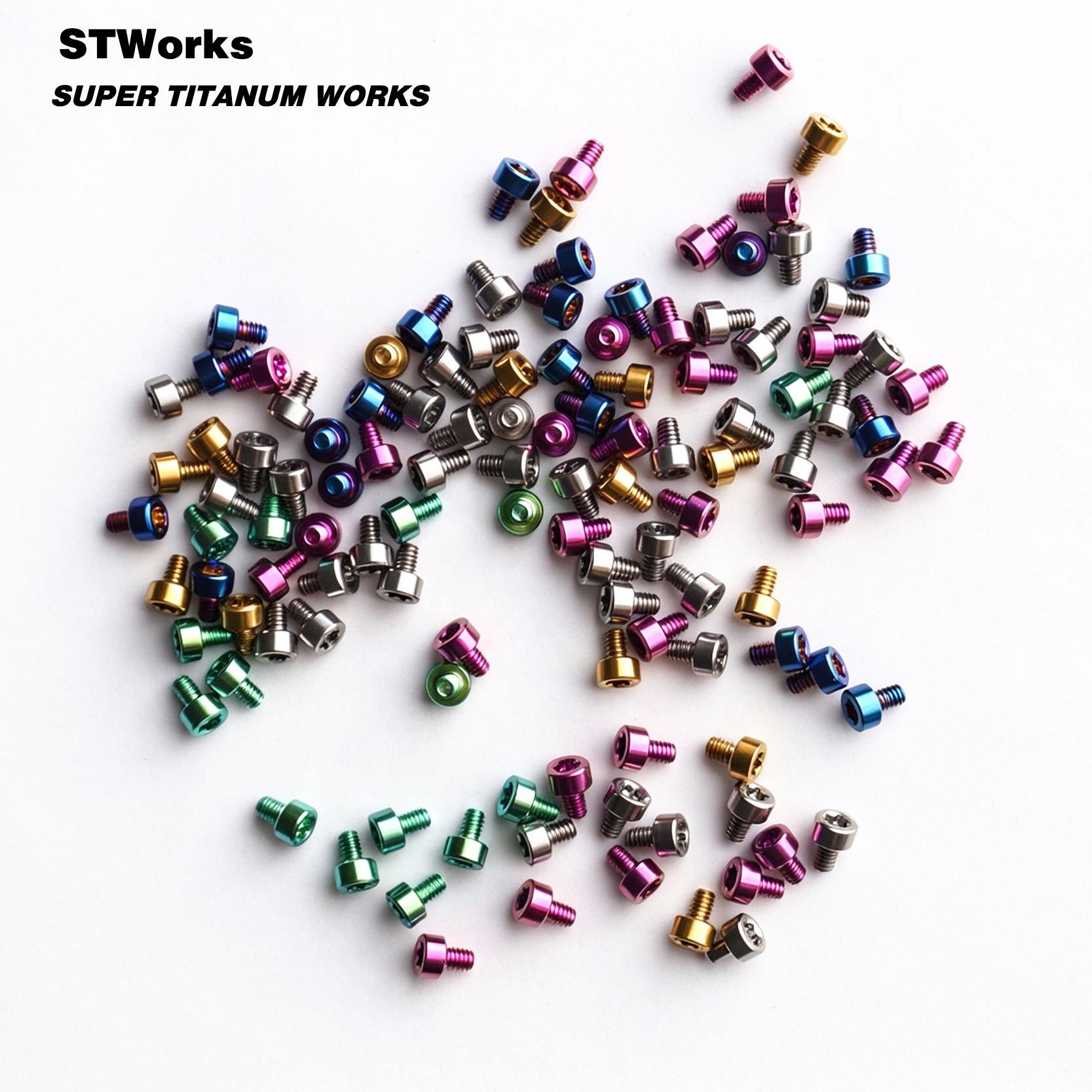
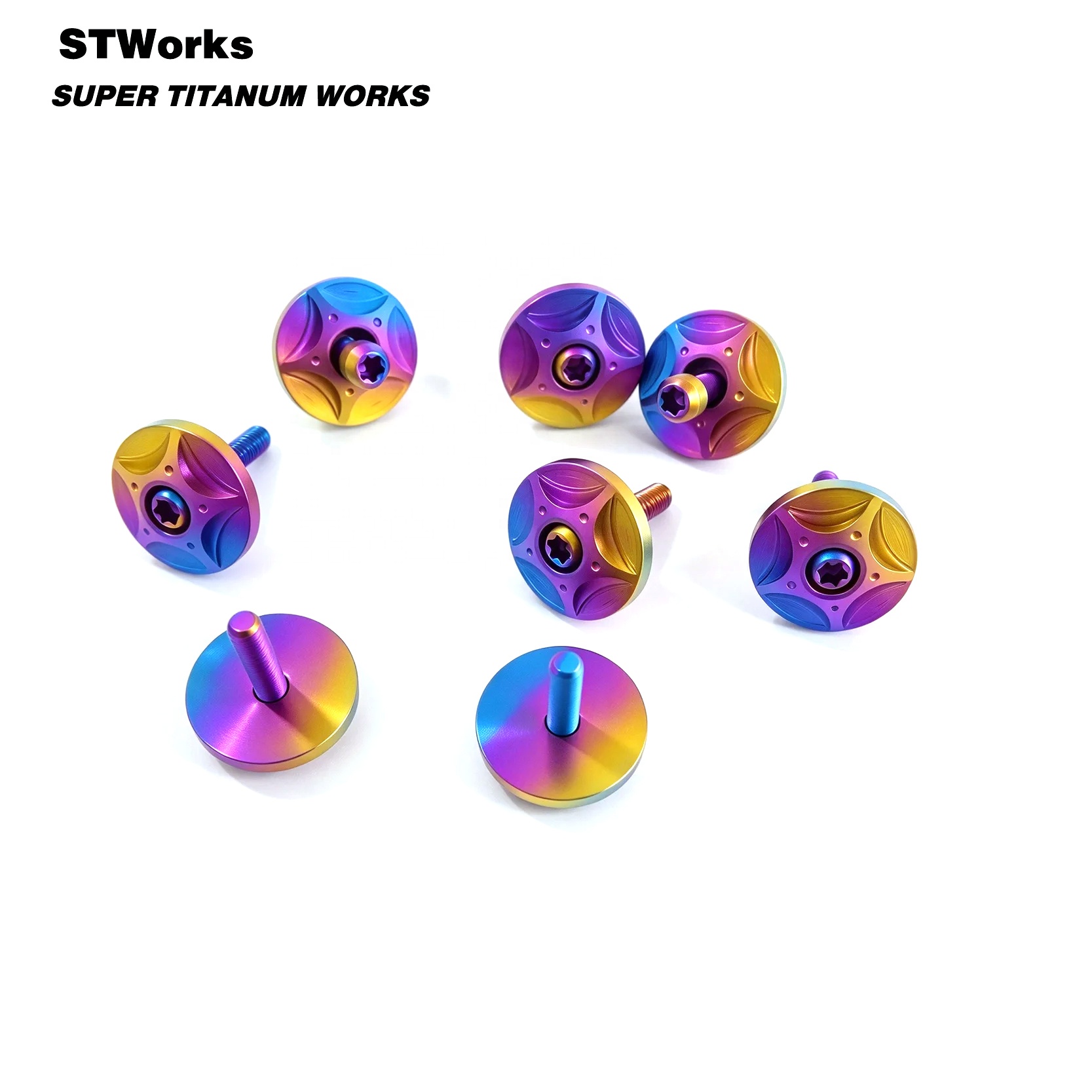
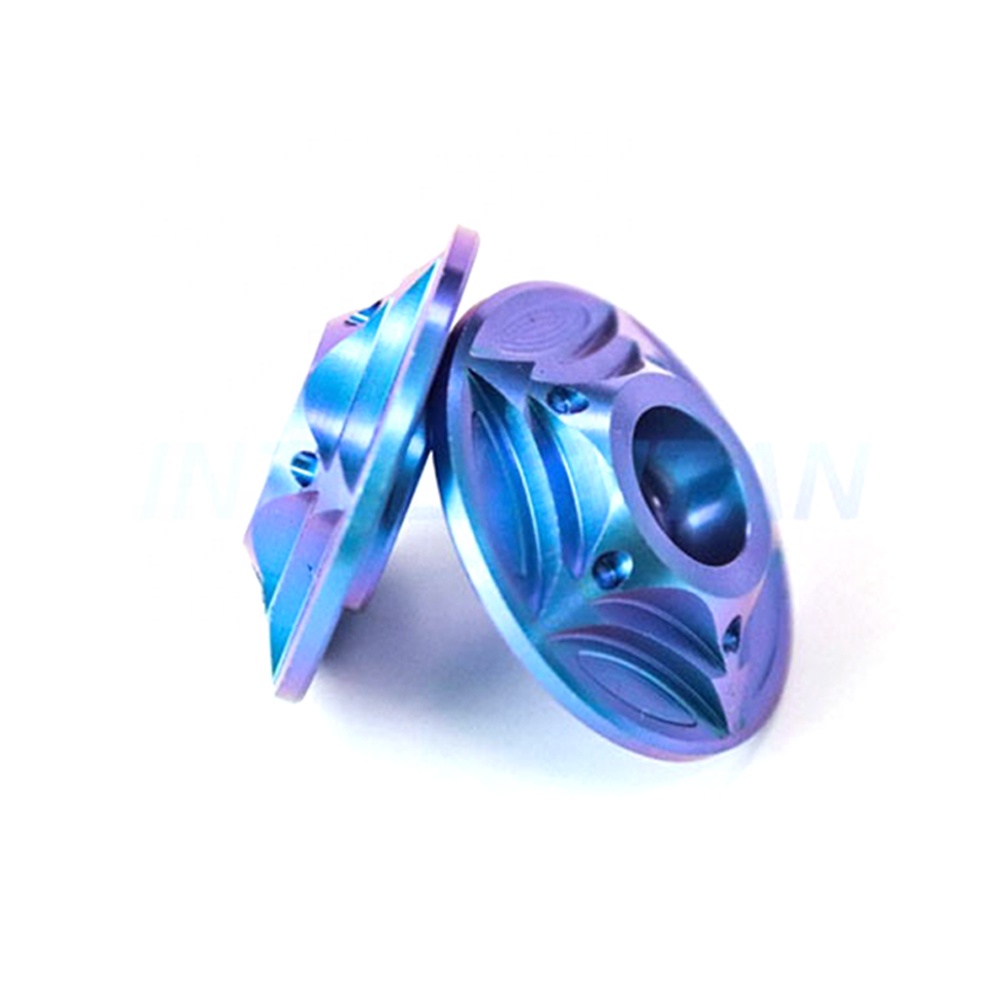
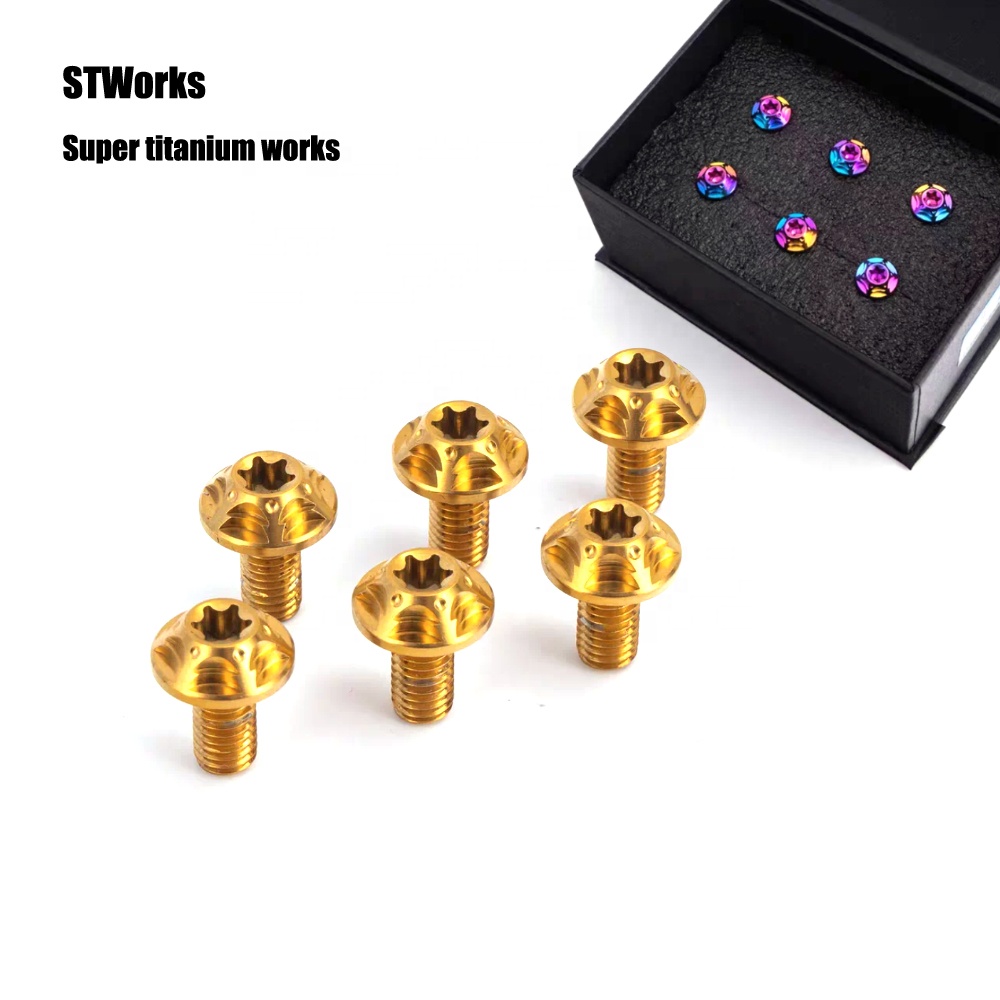
Direct from our Baoji machining center: Grade 5 (TC4) titanium alloy bar-end assemblies, stem caps, flanged chassis bolts, and micro-machined retention components built to exact CAD tolerances.
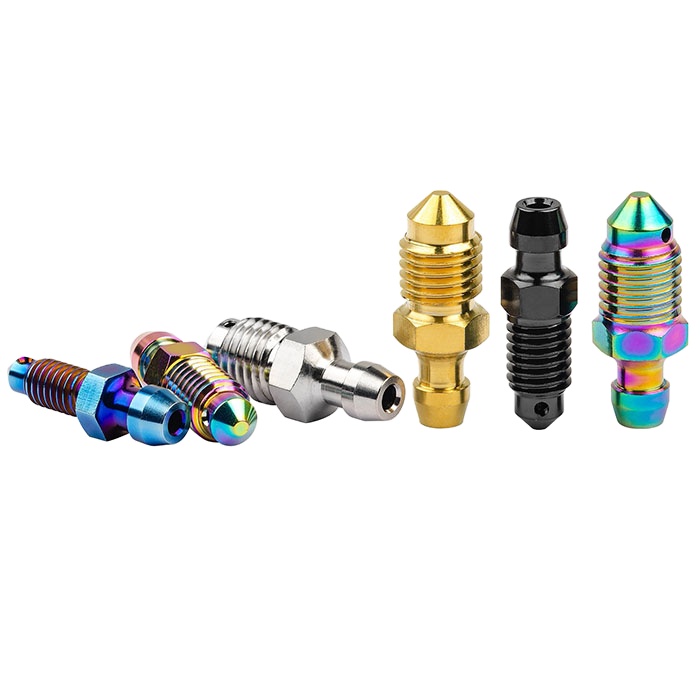
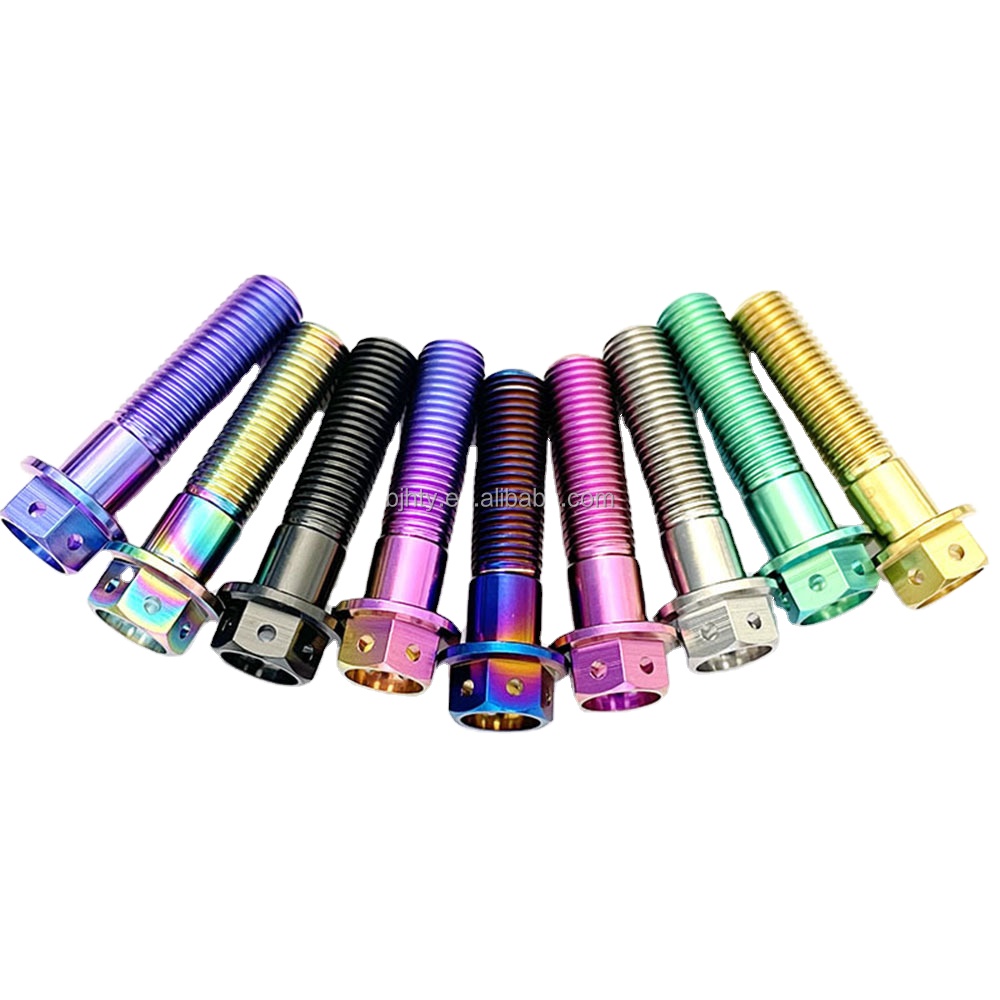
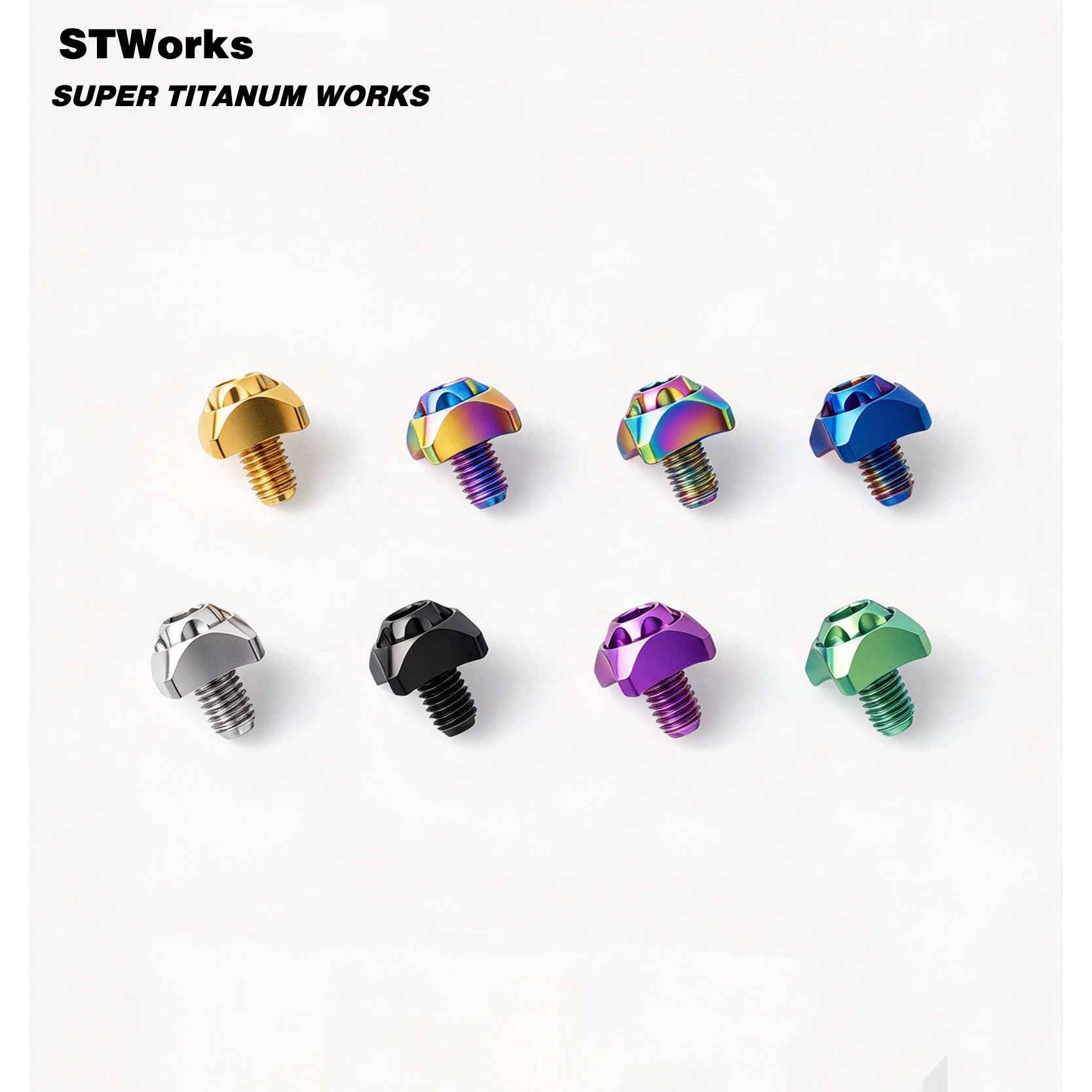
Motorcycle and high-performance bicycle cockpits are dynamic mechanical systems subject to harmonic road inputs, high-frequency engine resonances, and devastating ground-impact shear forces. Here is the technical justification for specifying Ti-6Al-4V over conventional alloys.
Motorcycle handlebars act as cantilevers that amplify vibrations generated between 4,000 and 9,000 RPM (combustion harmonic excitation). In high-performance racing and long-distance touring, this vibration causes neurovascular compression in the rider’s palmar arches, commonly diagnosed as vibration-induced white finger (VWF) or chronic arm pump.
Unlike 6061-T6 aluminum, which exhibits a rigid lattice with low internal hysteresis, Grade 5 titanium (Ti-6Al-4V) features a dual-phase (alpha-beta) crystal structure. This gives titanium an exceptional specific damping capacity and a modulus of elasticity (~114 GPa) that sits precisely midway between aluminum (~69 GPa) and alloy steel (~205 GPa).
When machined into asymmetric internal bar weights or external aerodynamic sliders, our titanium bar ends absorb high-frequency chatter without the excessive static weight penalty of solid brass, yielding an agile front-end steering assembly with minimized rotational inertia.

| Mechanical Property | Ti-6Al-4V (Grade 5 Titanium) | 6061-T6 Aluminum | 304 Stainless Steel | Delrin (POM Acetal) |
|---|---|---|---|---|
| Density (ρ, g/cm³) | 4.43 (Optimal Mass Density) | 2.70 (Too Light for Damping) | 7.93 (Excessive Inertia) | 1.41 (No Harmonic Mass) |
| Tensile Yield Strength (MPa) | 880 – 920 | 276 | 215 | 65 |
| Modulus of Elasticity (E, GPa) | 114 (Superior Flex Damping) | 68.9 | 193 | 3.1 |
| Corrosion Resistance (ASTM B117) | Immune (Self-healing TiO&sub2;) | Galvanic Pitting vs Carbon Bar | Susceptible to Crevice Rust | Resistant / Low Mechanical Rigidity |
| Crash Impact Abrasion Resistance | Extreme (Retains Geometry) | Poor (Galls & Tears Rapidly) | High (High Friction Drag) | Single-Impact Disposal |
| Galvanic Potential against Carbon Fiber | Neutral (-0.05V vs SCE) | Severe Corrosion Risk (+0.8V) | Moderate Risk (-0.1V) | Inert |
During low-side motorcycle accidents, handlebar ends absorb the primary lateral impact. Our Ti-6Al-4V sliders preserve the integrity of expensive clip-on handlebars and throttle assemblies by resisting severe tarmac grinding without fracturing or digging in.
Mounting aluminum hardware inside aerospace carbon fiber handlebars triggers aggressive electrochemical galvanic corrosion. Titanium holds a nearly identical galvanic electrode potential to graphitic carbon, permanently preventing cockpit seizure.
Instead of cutting internal threads that sever continuous metallurgical grain lines, all retention bolts and internal wedge threads manufactured in our Baoji facility undergo cold-forming thread rolling for 30% higher shear fatigue resilience.
Supply chain executives and automotive product directors face shifting international compliance standards, material volatility, and evolving vehicle design paradigms. Integrate these critical trends into your forward procurement forecasts.
The aftermarket is moving away from friction-rubber expansion plugs toward CNC machined 3-piece multi-diameter titanium split wedges. These ensure vibration-proof expansion inside varied handlebar IDs (14mm to 19mm) without rubber dry-rot or torque loss over thermal cycles.
While electrochemical color anodizing remains popular for cosmetic customization, enterprise buyers increasingly mandate Physical Vapor Deposition (PVD) TiN (Gold), TiCN (Gunmetal), and Diamond-Like Carbon (DLC). These provide scratch resistance exceeding 2,500 Vickers hardness.
Global liability requirements necessitate complete raw material traceability back to the titanium ingot. Tier-1 buyers demand EN 10204 3.1 certification verifying that vanadium and aluminum chemical composition strictly adheres to ASTM B348 / AMS 4928 standards.
Leading superbike and gravel bike developers are ordering hybrid bar-end assemblies: Grade 5 titanium structural shells retaining replaceable high-molecular weight Delrin or carbon fiber outer pucks. This allows sacrificial slider replacement while retaining the titanium anchor.
Titanium is notoriously difficult to machine due to its low thermal conductivity (causing extreme heat accumulation at the cutting edge) and high chemical reactivity at elevated temperatures. Our factory continually refines manufacturing technologies to overcome these bottlenecks.

Traditional manufacturing relied on multi-step setups: rough turning on an engine lathe followed by manual fixture indexing on a vertical milling machine. This created geometric run-out errors exceeding ±0.05 mm between the expanding wedge taper and the decorative outer contour.
Velnora deploys Swiss-type multi-axis CNC lathe centers and 5-axis turning-milling machines utilizing 70-bar high-pressure through-spindle coolant. This blasts pressurized synthetic emulsion directly into the shear zone, eliminating chip recutting and work-hardening while achieving consistent runouts within ±0.005 mm in a single clamp cycle.
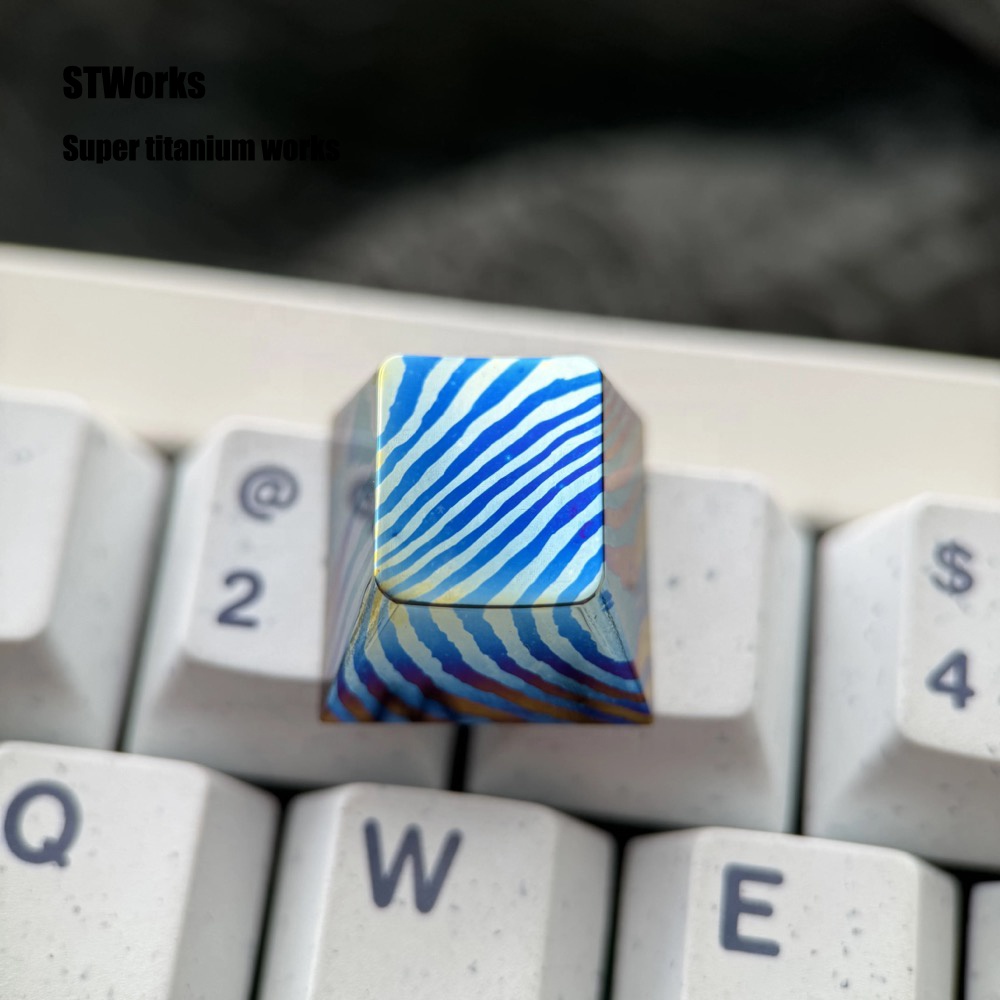
For custom racing teams and bespoke collector editions, we utilize slow-feeding Wire EDM (Electrical Discharge Machining) to produce non-circular aerodynamic wing profiles and intricate Timascus (Mokuti) damascus pattern components that are impossible to machine via conventional rotary cutting tools.
Implementing sub-zero liquid nitrogen cooling during high-speed roughing of aerospace Ti-6Al-4V round bars. This triples cutting insert life and prevents micro-structural phase changes on the component skin.
Computer-monitored titanium bath chemistry regulates anodic oxide film growth down to nanometer precision, producing rich interference colors (Bronze, Violet, Electric Blue, Gold, Emerald Green, and Rainbow) without organic dyes.
Utilizing laser Doppler vibrometry (LDV) to analyze the natural resonant frequencies of custom motorcycle handlebar ends, engineering mass displacement cavities to cancel specific engine RPM vibration spikes.
Headquartered in Baoji, Shaanxi Province—known worldwide as China's Titanium Valley—Velnora Titanium Industry Co., Ltd. combines sovereign material supply chains with advanced export manufacturing engineering.
Direct proximity to sponge titanium smelting and precision forging mills in Baoji provides us with guaranteed mill-run supplies of virgin Grade 5 titanium, stabilizing client unit costs and lead times against global market volatility.
We believe in verifiable production proof. We provide HD live-action video walkthroughs, in-process CMM inspection logs, and high-speed CNC cutting footage for your specific OEM batch before final dispatch.
Every shipment is backed by optical sorting, Mitutoyo surface roughness profilometry (Ra ≤ 0.4 μm), thread pitch micro-gauging to 6H/6g standards, and salt-spray corrosion chamber documentation.
Clear, direct answers regarding design tolerances, thread galling mitigation, MOQ requirements, surface finishes, and custom OEM/ODM drawing handoffs.
Looking to optimize weight, eliminate handlebar vibration harmonics, or elevate your cockpit product line with titanium components? Upload your 2D/3D CAD models. Our senior machining engineers will review your files and provide a competitive quote within 4 business hours.
