Factory-Engineered Titanium Components & Fasteners
Explore our precision CNC turned components, specialty motorsport brackets, and ultra-high-strength fastening solutions manufactured to DIN, ISO, ANSI, and custom OEM engineering specifications.
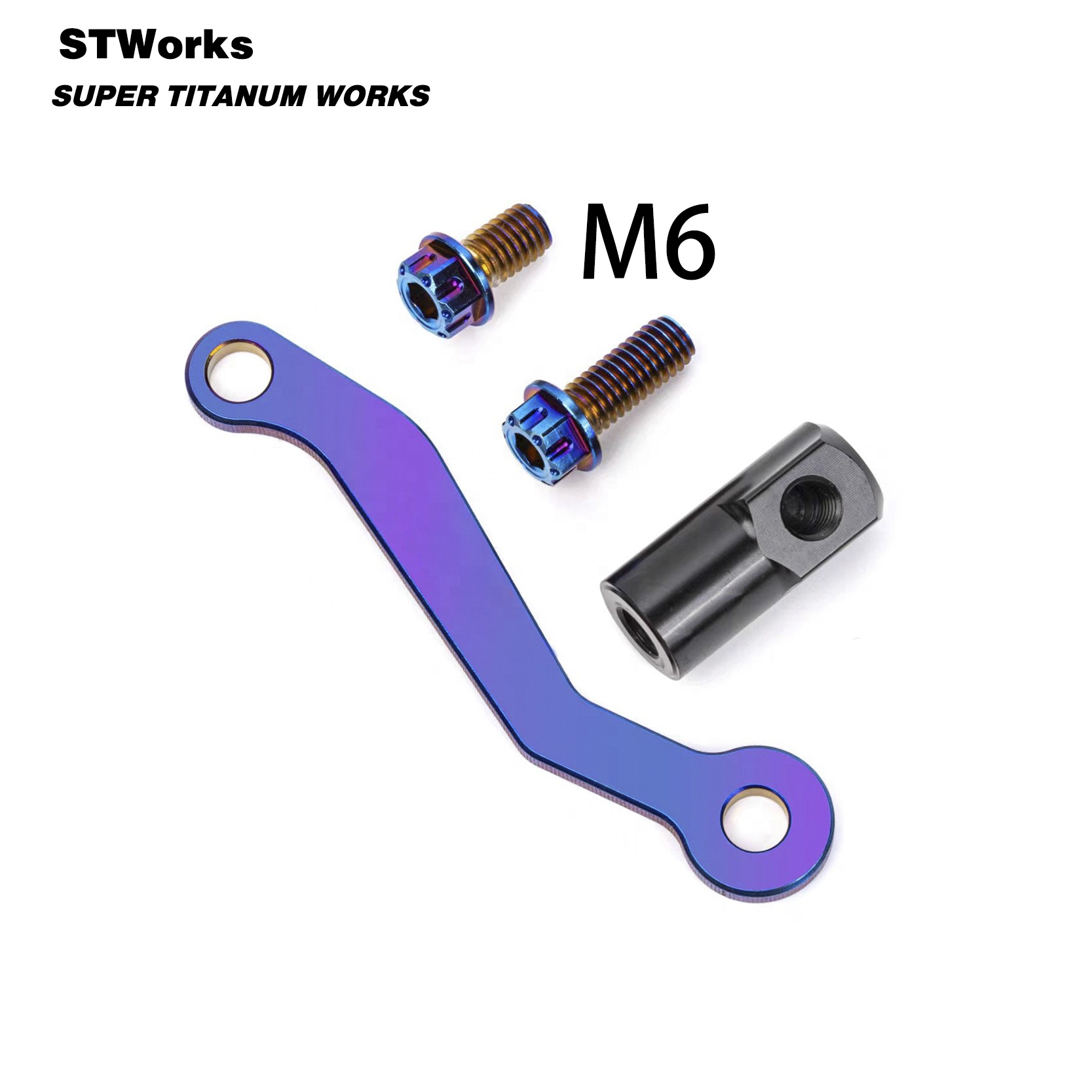
Gr5 TC4 Titanium Alloy Brake Fluid Reservoir Mount Bracket for Radial Master Cylinder Motorcycle E-Bike Modification Parts
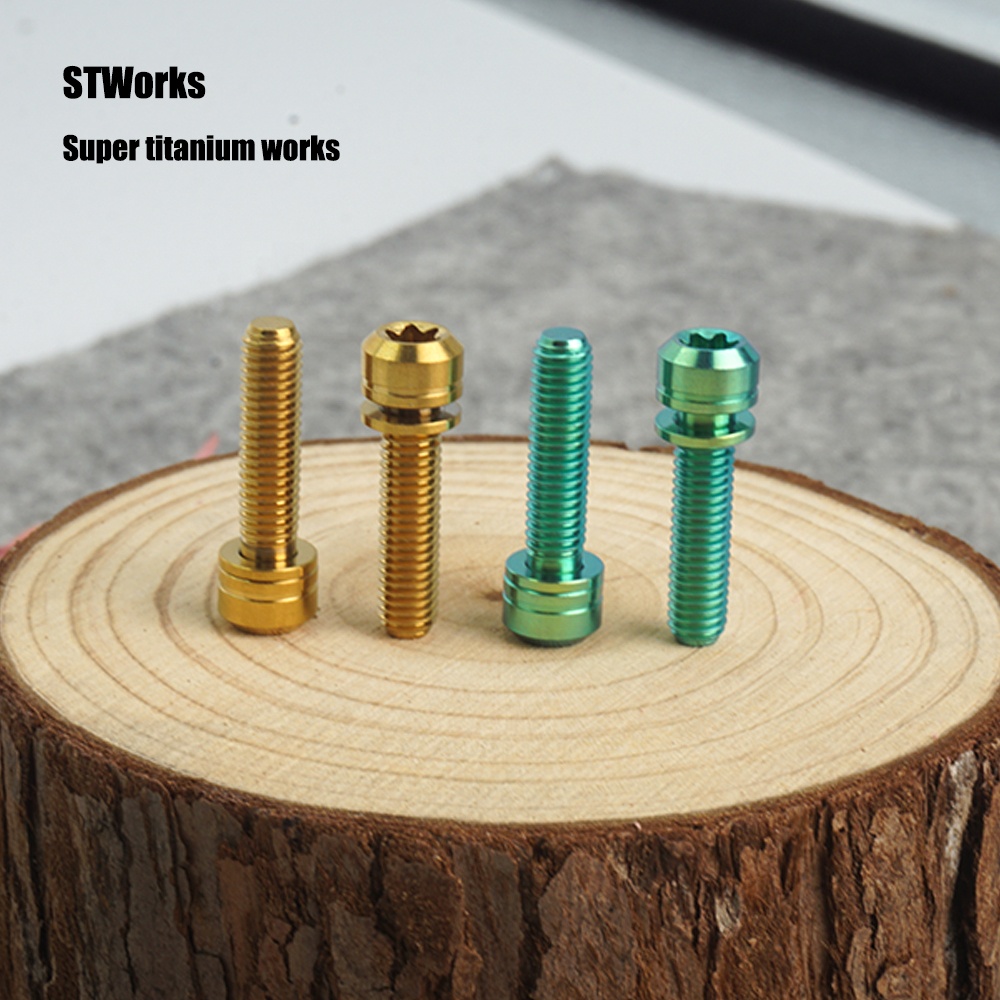
TC4 Titanium Ti Torx M5x16 /18/20/25mm Tapered Head Bolt with Washer Screw for Bicycle Stem Bolts
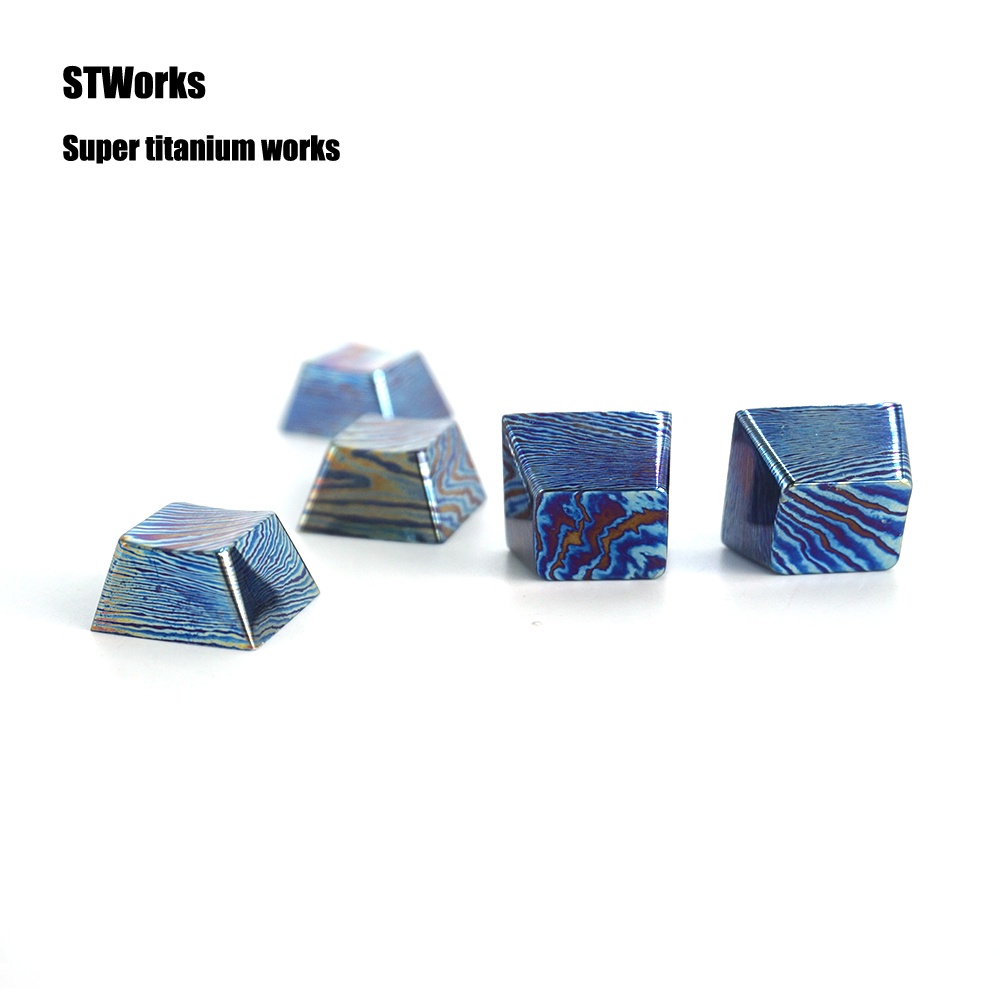
Titanium Gaming Keyboard Caps-CNC Machined Broaching Wire EDM Stainless Steel Options Anti-Corrosion PVD Coating 18mm X 8.5mm
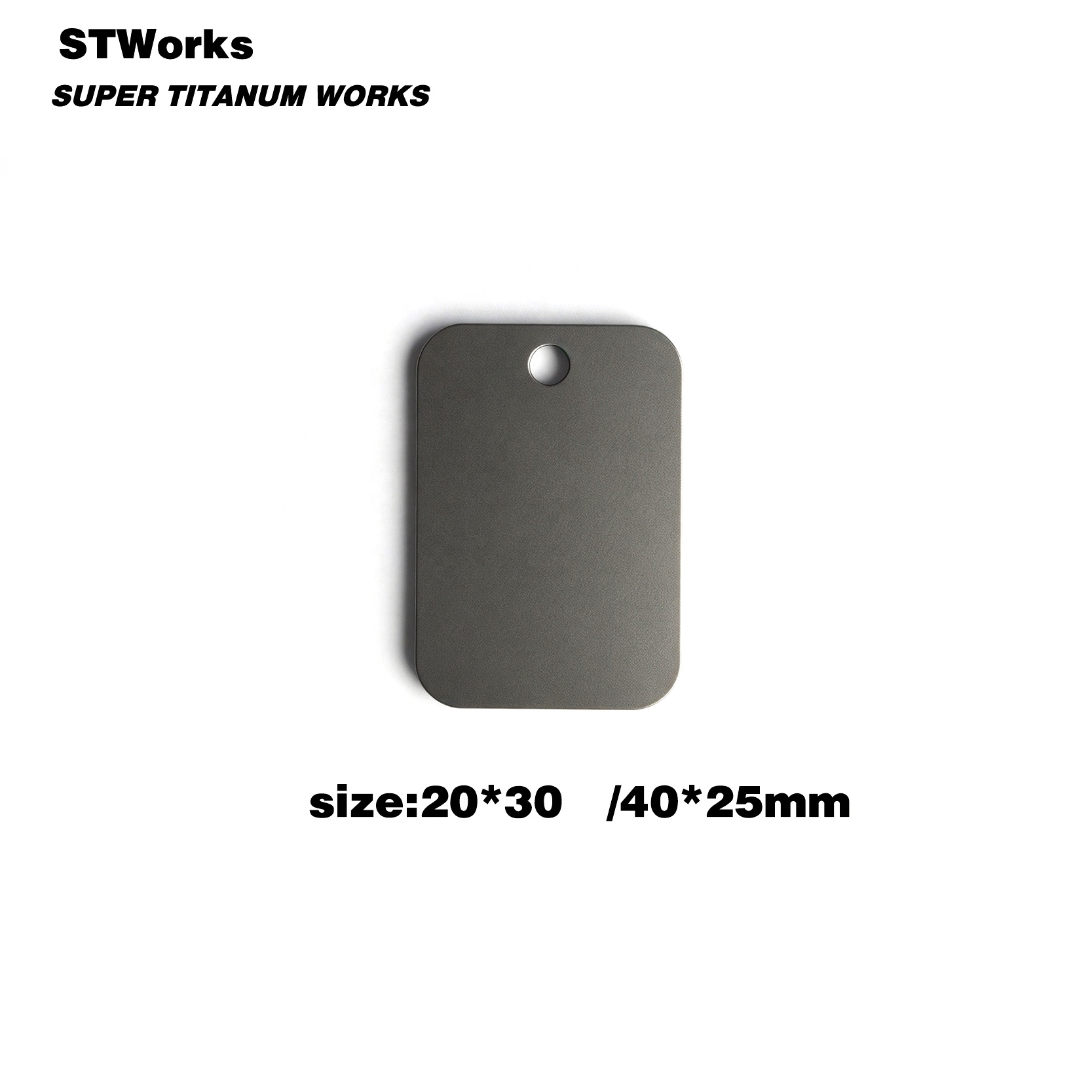
Custom Grade 5 Titanium Plate Tag 1.5mm/2mm Titanium Dog Tag Sandblasted Free Laser Engraved Logo Blank Titanium
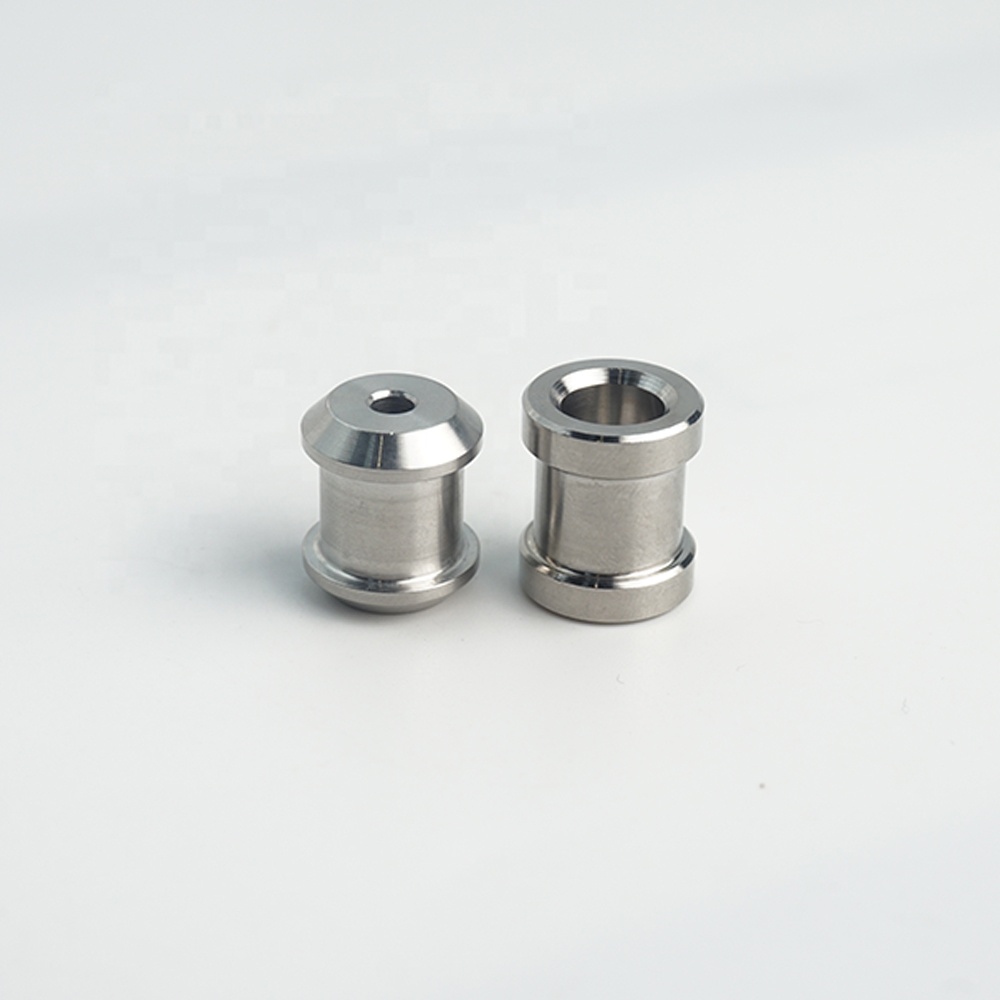
TC4 Custom Made CNC Machined Titanium Alloy Paracord Bead Begleri for Stress Relief-EDC Parachute Cord
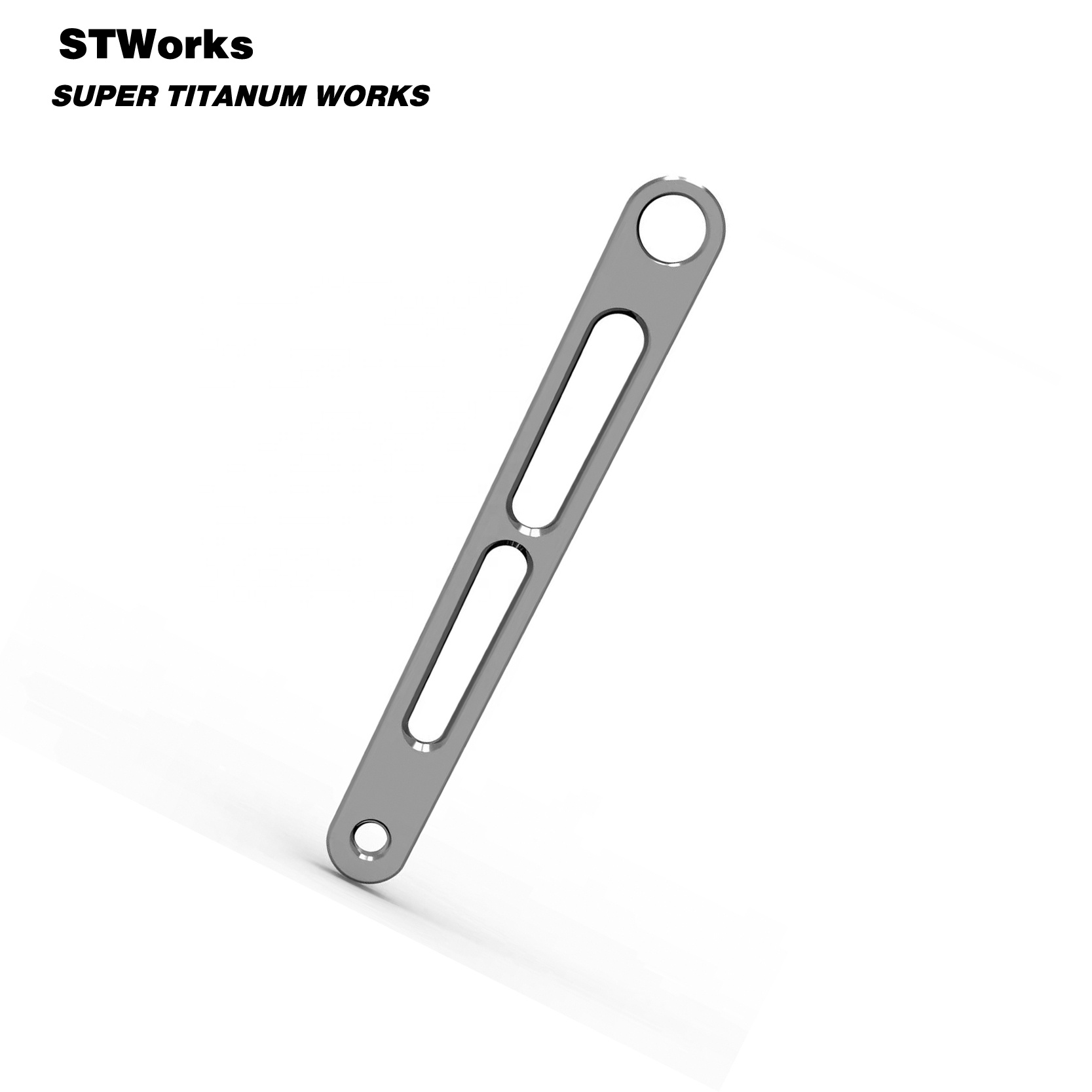
Titanium Alloy CNC Machined Multi-Function Spotlight Extension Bracket Auxiliary Light for Dirt Bike & Electric Scooter Mods
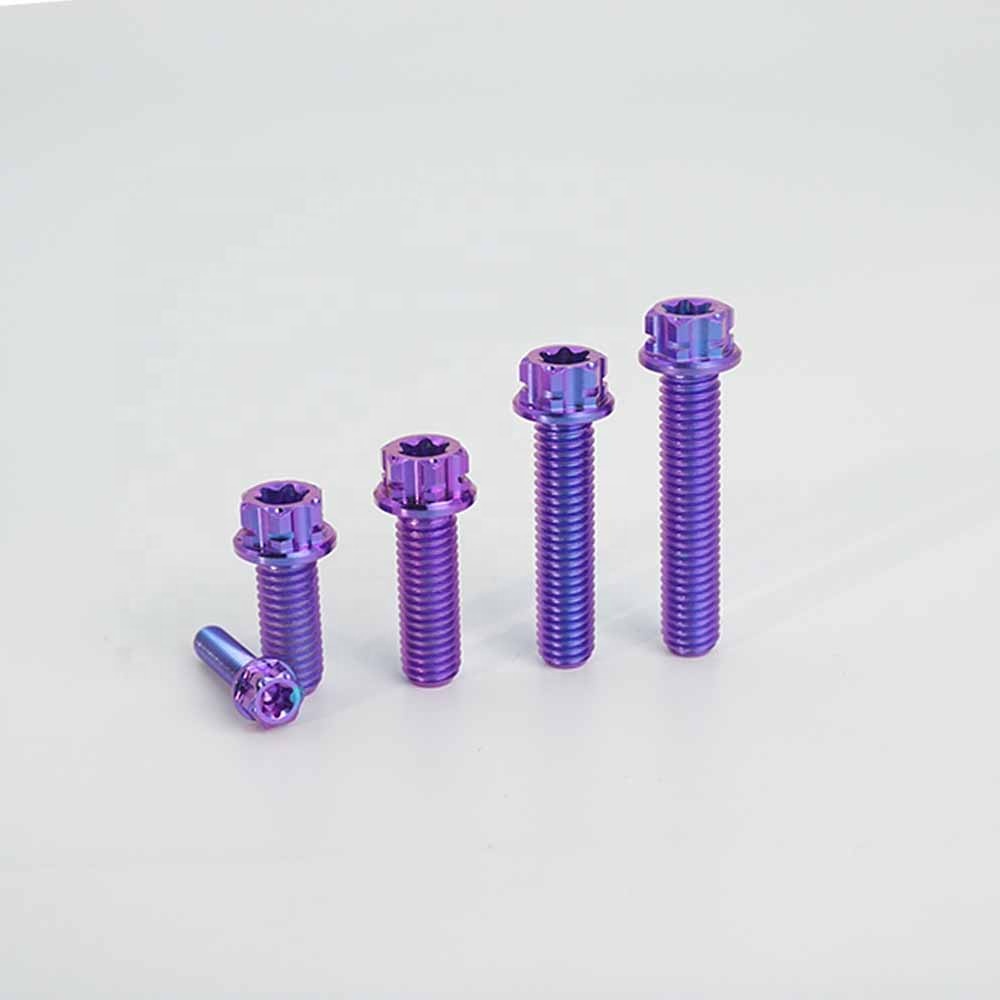
Gr5 Titanium Bolts M6x40 Titanium Bolts M6X10 Bicycle/Motorcycle Modification M8x30 Accessory Parts Torx Head Flange Bolts
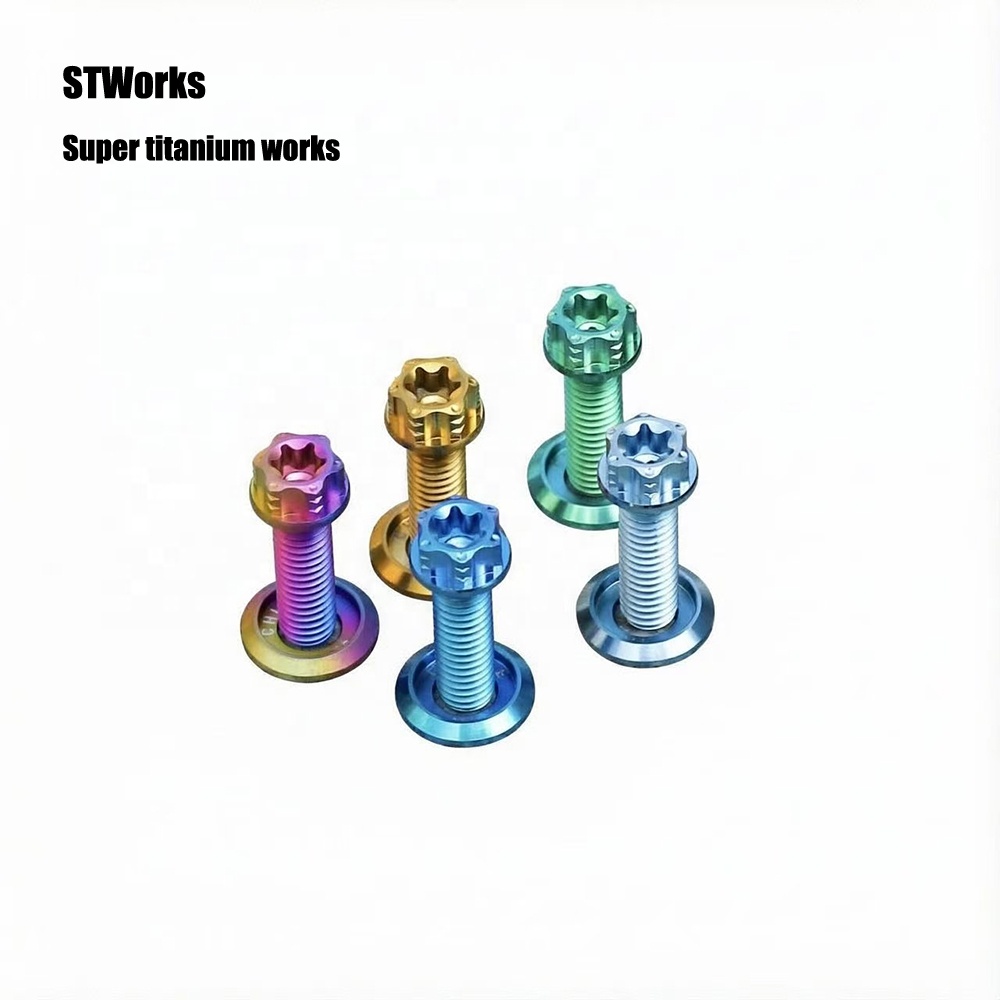
Titanium Alloy Bicycle Disc Brake Caliper Mounting Bolts Candy-Colored M6x20 with Washers
Engineering Architecture of Precision Titanium Grub Screws
Titanium grub screws (commonly designated as headless set screws or blind screws) serve as the unsung mechanical backbone for high-criticality locking, shaft-collar securement, optical positioning, and rotating assembly balance. Unlike standard externally headed fasteners, grub screws are subjected to pure internal torsional shear and high compressive thrust loads. In safety-critical sectors such as aerospace telemetry, surgical endoscopes, high-RPM motorsport differentials, and subsea robotics, steel set screws introduce catastrophic risks of galvanic corrosion, excessive rotational inertia, and thread siezure, while aluminum fasteners fail catastrophically under moderate socket torque.
At Velnora Titanium Industry Co., Ltd., based in the epicenter of China’s non-ferrous metal manufacturing—Baoji High-Tech Industrial Park—we engineer OEM and ODM titanium grub screws that synthesize microscopic dimensional accuracy with superior fatigue resistance. By leveraging virgin aerospace-grade Grade 5 (Ti-6Al-4V / TC4) and commercially pure Grade 2 titanium bar stock, our Swiss-type 7-axis CNC turning and rotary broaching systems eliminate micro-structural tool marks, stress-riser notches, and socket concentricity deviations.
Key Engineering Metric: Grade 5 titanium boasts a specific strength (strength-to-density ratio) of roughly 212 kNm/kg compared to 125 kNm/kg for standard 316L stainless steel and 147 kNm/kg for high-tensile 10.9-grade alloy steel. In dynamic rotating assemblies, replacing carbon steel grub screws with Grade 5 titanium cuts headless rotational mass by ~44%, substantially mitigating gyroscopic precession and radial imbalance.
Geometric Configurations & Dynamic Clamping Profiles
A grub screw's clamping reliability is fundamentally governed by point profile selection. Through decades of contract machining and iterative finite element analysis (FEA), Velnora produces four standardized and custom-engineered point geometries meeting DIN 913, DIN 914, DIN 915, DIN 916, and ASME B18.3.6M standards:
Cup Point (DIN 916 / ISO 4029)
Engineered with a razor-thin circular rim that cuts precisely into the mating shaft surface. Delivers ultimate locking security against severe axial thrust and cyclic shock vibration. Ideal for motorsport pulleys and drive sprockets.
Cone Point (DIN 914 / ISO 4027)
Machined with a hardened conical tip (90° or 118° included angle). Generates deep mechanical penetration into pre-drilled dimples or precision shaft detents, delivering permanent pivot pin alignment in aerospace avionics.
Flat Point & Dog Point (DIN 913 / 915)
Flat points enable frequent re-tightening without scoring precision ground surfaces. Dog points feature an extended cylindrical boss designed to fit keyways, acting as linear travel stops in robotics without damaging external threads.
Comprehensive Material Property & Performance Matrix
Selecting the optimal titanium alloy grade requires balancing yield strength, ductility, galvanic isolation, and machinability. The comparative technical benchmarks below represent lab-verified annealed mechanical metrics utilized across Velnora's Baoji machining facility:
| Mechanical / Physical Property | Gr5 (Ti-6Al-4V / TC4) | Gr2 Commercially Pure | 316L Stainless Steel | 7075-T6 Hardened Alum. |
|---|---|---|---|---|
| Density (g/cm³) | 4.43 | 4.51 | 8.00 | 2.81 |
| Ultimate Tensile Strength (MPa) | 895 – 1050 | 345 – 450 | 580 – 680 | 570 |
| Yield Strength (0.2% Offset, MPa) | 828 – 910 | 275 – 310 | 290 | 505 |
| Modulus of Elasticity (GPa) | 114 | 103 | 193 | 72 |
| Socket Cam-Out Resistance | Exceptional | Moderate | High | Poor (Prone to Strip) |
| Corrosion Resistance (Cl⁻, Marine) | Immune (Passivated) | Immune (Passivated) | Pitting Risk | Anodic Dissolution Risk |
| Continuous Temperature Range | -250°C to +420°C | -200°C to +300°C | -196°C to +550°C | Max 120°C |
Future Procurement Trends in Precision Titanium Fastening (2025–2030)
Global supply chain executives and senior mechanical procurement leads face a shifting procurement paradigm. Driven by geopolitical realignment, raw titanium sponge price oscillations, and radical light-weighting initiatives across electric air mobility (eVTOL) and humanoid robotics, the sourcing of precision fasteners like titanium grub screws is transitioning from low-cost spot purchases to deep OEM/ODM vendor partnerships.
Based on proprietary enterprise sourcing data and supply chain trends within Baoji's industrial manufacturing ecosystem, procurement specialists must factor the following structural dynamics into their multi-year vendor qualification frameworks:
Supply Hub Clustering in Baoji
Over 80% of China's titanium refining, vacuum arc remelting (VAR), and precision forging capacity is localized within Baoji ("Titanium Valley"). Procurement directors are increasingly bypassing multi-tier regional brokers to partner directly with primary manufacturing plants like Velnora, securing 15–25% unit cost reductions and real-time ingot mill test cert (MTC 3.1) traceability.
Micro-Scale Medical & Optical Demand
With minimally invasive surgical endoscopes and ultra-compact LiDAR scanning gimbals proliferating, demand for ultra-micro headless set screws (M1.2, M1.4, M1.6, and M2.0) has surged by 42% year-over-year. Achieving 5H thread classes and anti-slip Torx T4/T5 drive recesses at micro-scales mandates specialized high-RPM Swiss turning equipment with sub-micron runout.
Raw Material Price Hedging & ESG
Industrial sponge titanium pricing volatility has prompted OEM buyers to lock quarterly indexing contracts based on spot indexes. Concurrently, zero-defect machining with closed-loop titanium scrap recycling and eco-friendly chemical passivation is now a mandatory Tier-1 supplier audit metric for European and North American buyers.
Technological Frontiers: Cold-Formed Threads & Anti-Galling Tribology
The single greatest operational vulnerability of titanium grub screws is galling (cold welding). When an externally threaded titanium fastener is torqued into an internally threaded aluminum or titanium bore without proper lubrication, the micro-scale oxide film breaks down, causing severe localized molecular adhesion, thread seizure, and internal socket strip-out.
Velnora resolves this tribological limitation via two advanced manufacturing engineering methodologies:
1. Thread Rolling vs. Thread Chasing: Rather than conventional single-point cutting which severs the alloy's crystalline grain boundaries, Velnora deploys custom cylindrical cold-die thread rolling. This process plastically deforms the Grade 5 titanium, creating continuous grain flow aligned with thread flanks, increasing fatigue life by up to 35% and elevating thread root burnishing to a Ra 0.2µm mirror finish.
2. PVD Thin-Film Functional Coatings: For high-wear sliding friction assemblies, we apply Diamond-Like Carbon (DLC) and Titanium Carbo-Nitride (TiCN) through Physical Vapor Deposition. These 2 to 3-micron surface treatments provide extreme micro-hardness (>2500 HV) and reduce dry friction coefficients to below 0.12, completely mitigating thread galling while retaining zero dimensional drift.
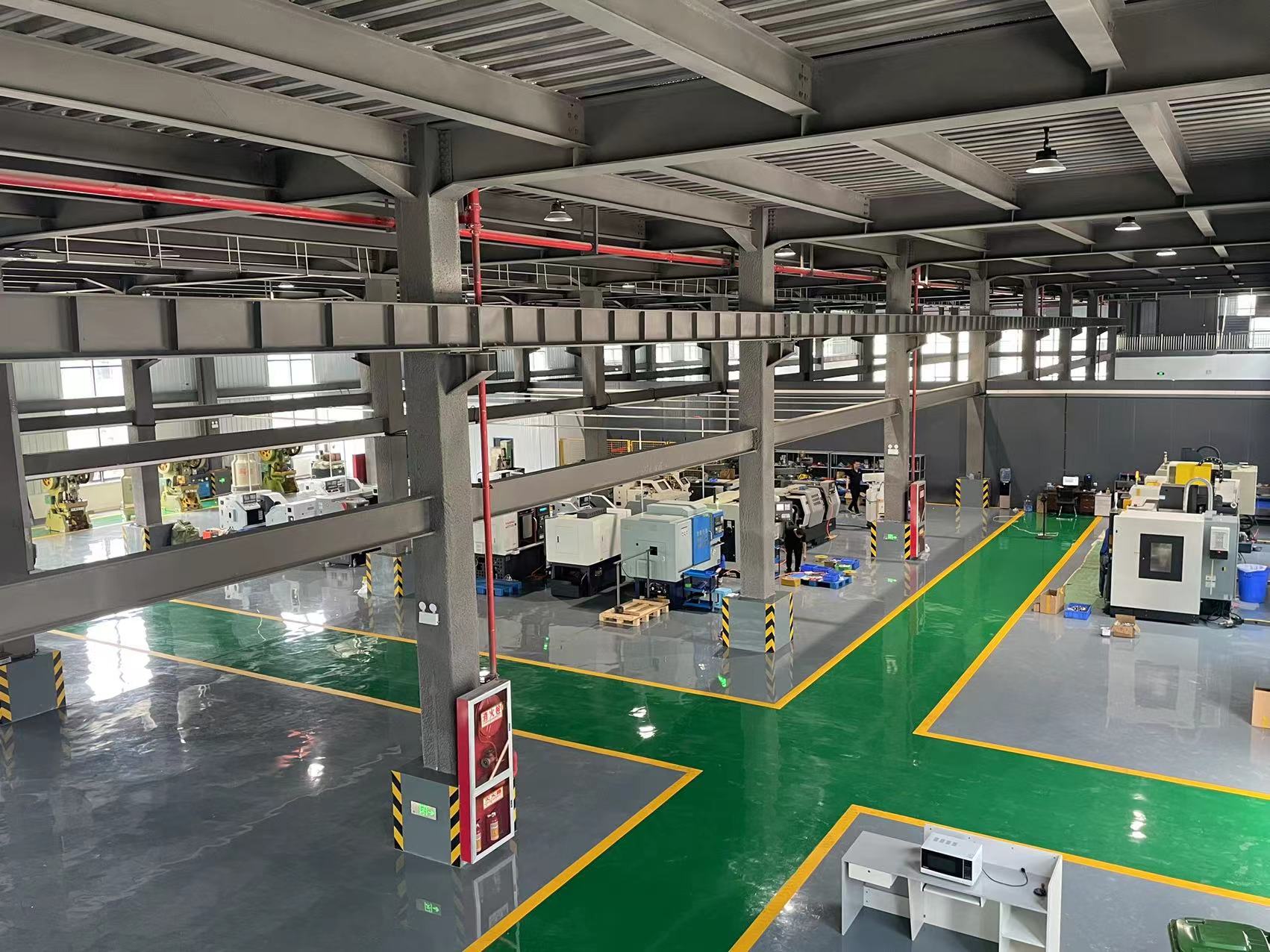
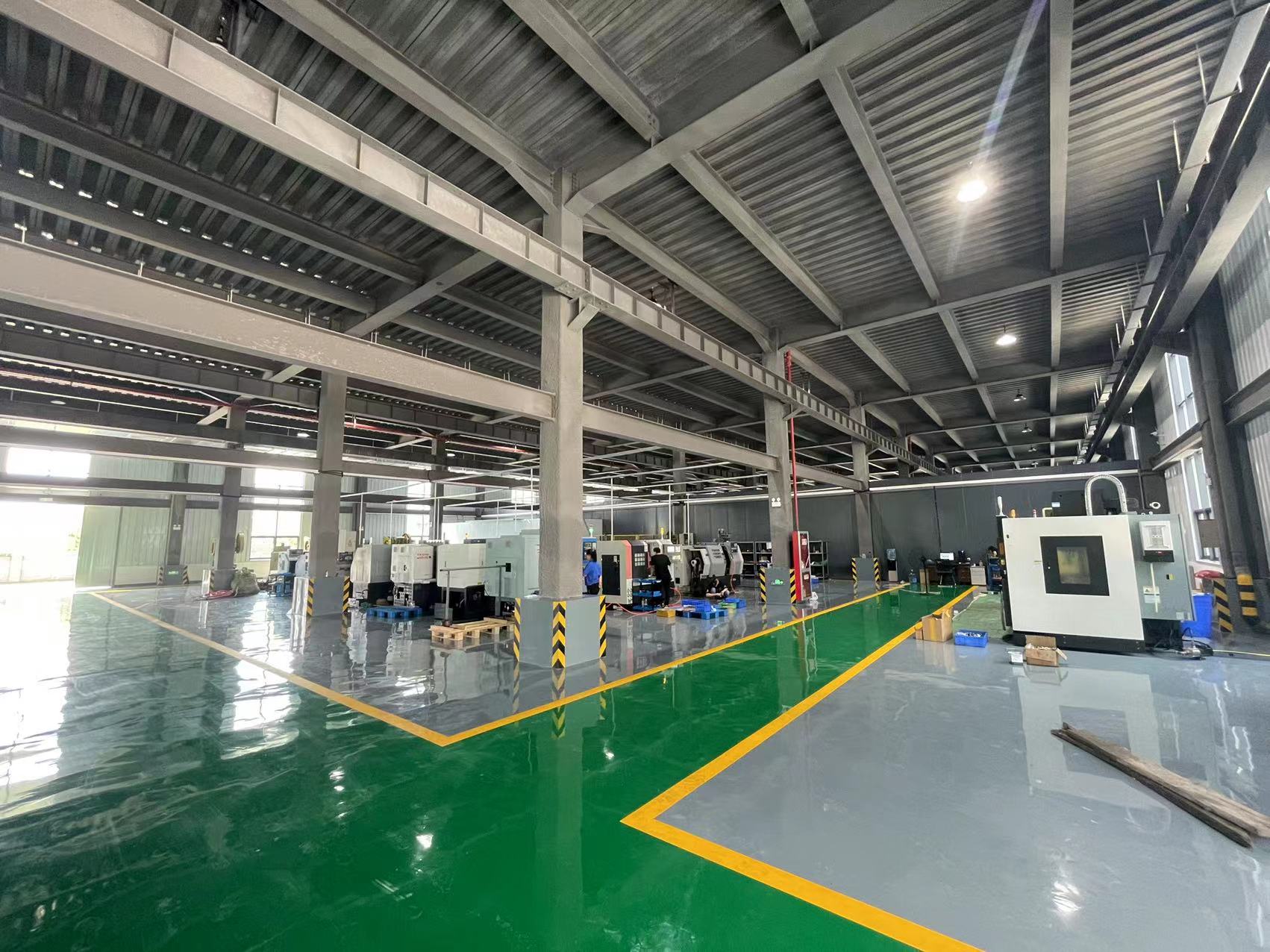
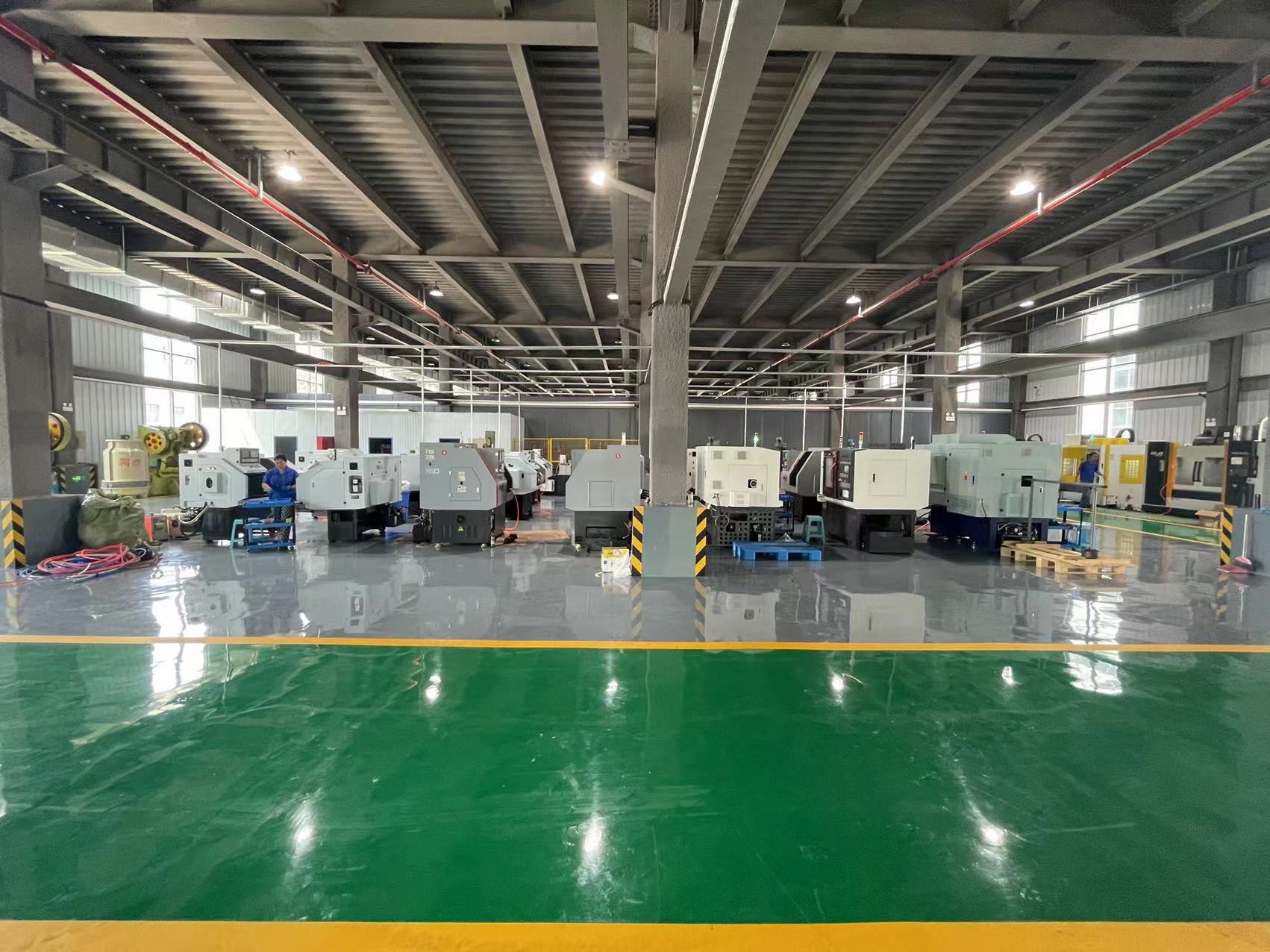
Velnora Titanium Industry Co., Ltd. Baoji Factory Strengths
Established in 2013, our dedicated manufacturing campus in Jinhe Industrial Park integrates multi-spindle CNC turning, automated EDM wire cutting, and digital optical metrology.
Years Dedicated Titanium Fastener Manufacturing
B2B OEM/ODM Global Clients Served
Technical RFQ Response & Drawing Review
First-Pass Yield Rate via Optical Inspection
Frequently Asked Technical & Sourcing Questions
Clear, metallurgical and commercial answers to frequent B2B RFQ queries encountered during fastener qualification.
Why choose a Torx (Hexalobular) socket over a standard Hex socket on titanium grub screws? +
Titanium Grade 5 possesses high shear strength but lower elasticity modulus than alloy steel. In small headless grub screws (below M4), standard hexagonal broached sockets experience high point-loading at internal corners, which can result in cam-out or internal socket rounding at recommended seating torques. A Torx (hexalobular) drive redistributes tightening stress across broad curved lobes with zero cam-out angle, boosting permissible torque transfer by over 25% and enabling automated, robotic feeder assembly without driver slip.
Can Grade 5 titanium grub screws directly replace Class 12.9 alloy steel set screws? +
Grade 5 titanium provides an ultimate tensile strength of ~950–1050 MPa, which matches Class 8.8 and approaches Class 10.9 steel. However, Class 12.9 hardened carbon steel reaches ~1220 MPa. In extreme applications where high clamping force is concentrated on a small thread contact zone, substituting Grade 5 directly may lead to slight thread yielding if torqued to Class 12.9 tables. Our application engineers recommend either adjusting installation torque values to titanium-specific ratings (lowered by approximately 15-20%) or upsizing the nominal thread diameter by one increment (e.g., from M5 to M6) to gain identical holding force alongside weight savings and corrosion immunity.
What quality documentation accompanies custom OEM/ODM production orders? +
Every industrial export batch manufactured at our Baoji plant includes a full quality dossier: EN 10204 Type 3.1 Mill Test Certification confirming precise chemical composition (Al, V, Fe, C, N, H, O content) and mechanical yield/tensile/elongation values; full dimensional inspection records measured via optical projectors and thread gauges (Pitch Diameter, Major/Minor Diameter, Socket Depth); in-process live video and photo documentation; and surface roughness certificates.
How does Velnora prevent thread galling during dynamic mechanical installation? +
We deploy a multi-tiered defense against thread galling. First, our thread flanks are either cold-rolled or micro-polished to achieve Ra ≤ 0.4µm, drastically reducing surface asperities. Second, we offer specialized Type II titanium micro-arc anodizing and thin-film PVD coatings (DLC, TiN, or CrN) which deposit a low-friction physical barrier. Finally, for bare titanium applications, we specify anti-seize assembly pastes (nickel-based, MoS2, or copper-free ceramic compounds) calibrated for accurate torque-tension coefficients.
What are typical production lead times, prototyping cycles, and MOQs? +
For standard DIN 913, 914, 915, and 916 titanium grub screws in standard metric sizes (M2 to M16), stock lots ship within 48 to 72 hours. Custom OEM/ODM designs requiring rapid prototyping from STEP/CAD files are typically machined and verified via CMM within 7 to 10 working days. Production scale run minimum order quantities (MOQs) generally start from 200–500 pieces for standard sizes and 1,000 pieces for custom complex broached micro-screws, backed by flexible scheduled Kanban deliveries.
Can you produce non-standard threads such as Imperial UNC/UNF, left-hand, or micro pitches? +
Yes. Our Swiss-type CNC lathes and programmable thread-whirling attachments handle ANSI/ASME Unified Coarse (UNC) and Unified Fine (UNF) standard threads from #0-80, #2-56, #4-40 up to 5/8-18. We also manufacture metric ultra-fine pitches (such as M6x0.5 or M8x0.75 for optical focal adjustment mounts), custom left-handed threads, and multi-start lead screws to client drawings.
Accelerate Your Engineering Procurement Cycle
Send our senior engineering team your 2D/3D CAD models (PDF, STEP, IGES) or standard fastener specifications. Receive comprehensive machinability feedback, torque recommendations, and direct factory pricing within 4 hours.
Get Catalog