High-Tolerance Titanium Components & Specialized Hardware
Explore our flagship OEM/ODM titanium bicycle parts and precision CNC-turned hardware manufactured to DIN, ISO, and JIS engineering standards.
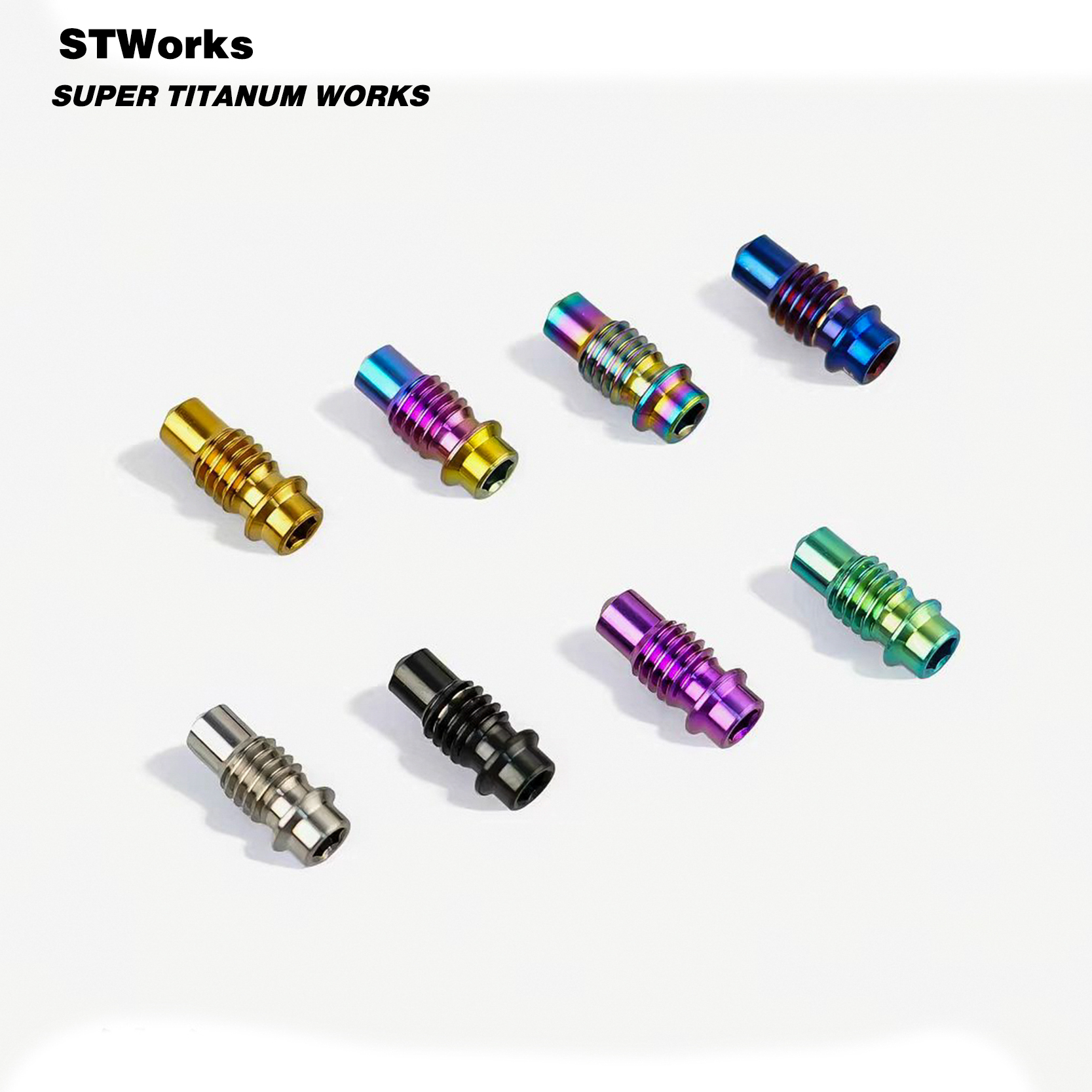
TC4 Titanium Caliper Bleed Port Screw for Shimano Road Disc Brake Caliper Cycling Parts
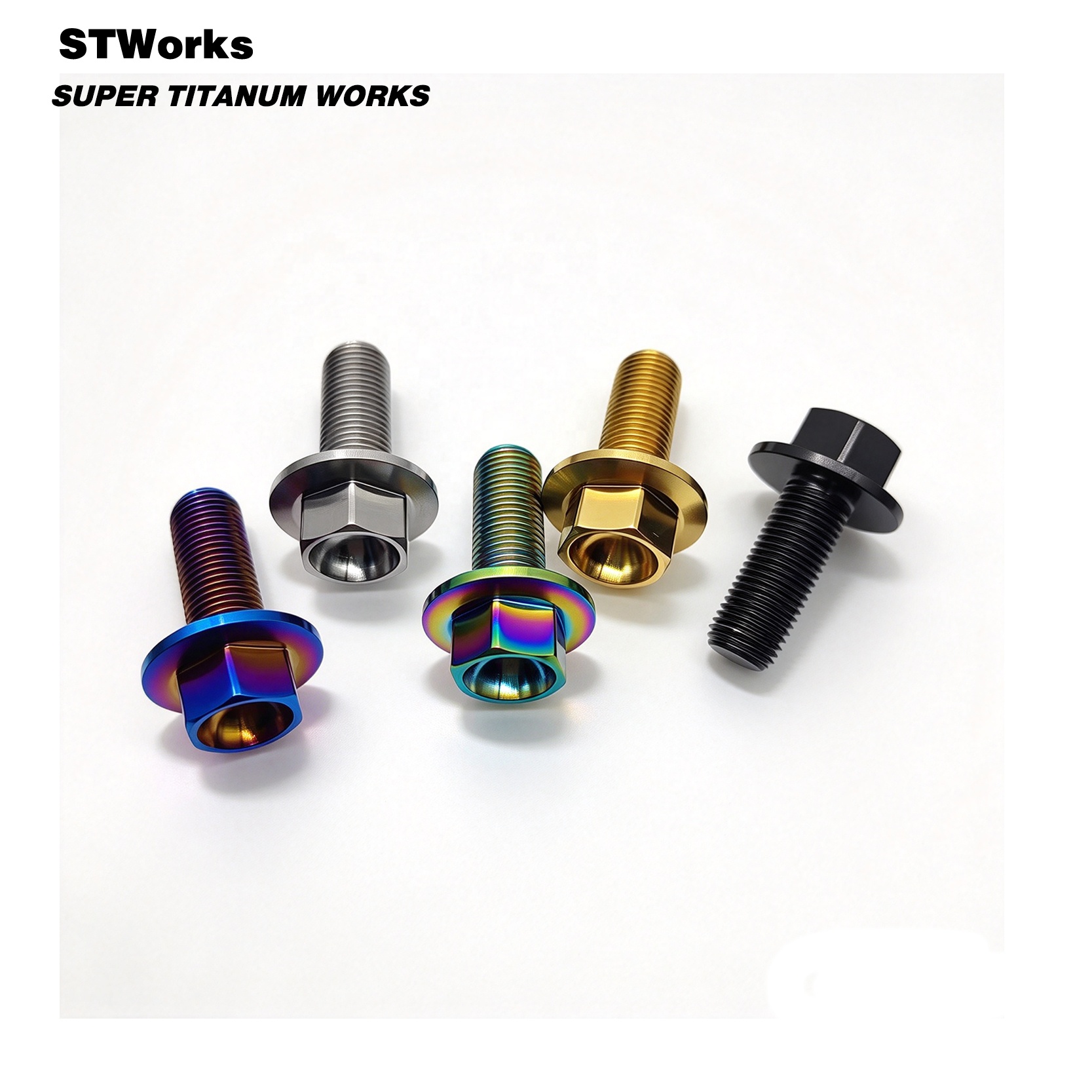
GR5 Titanium Anodized Colored Hexagon Head Flange Bolt Motorcycle & Bike M5–M14
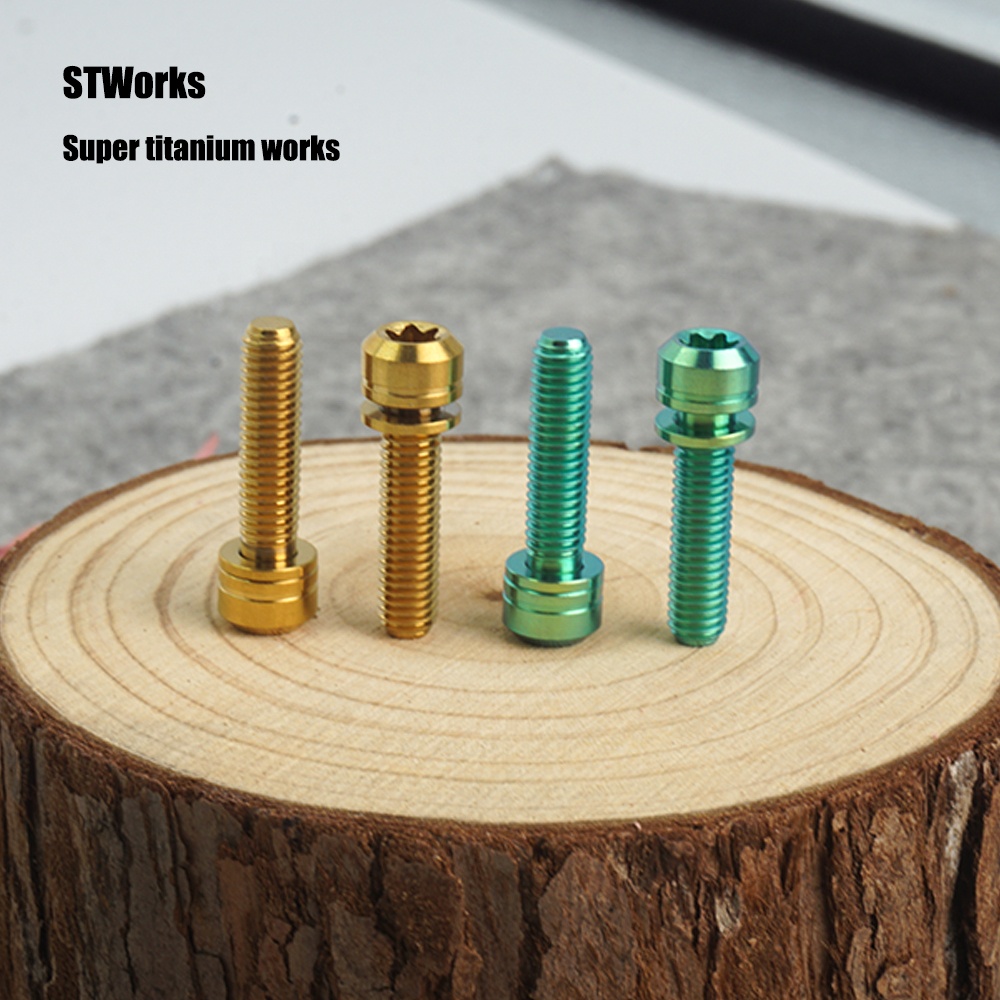
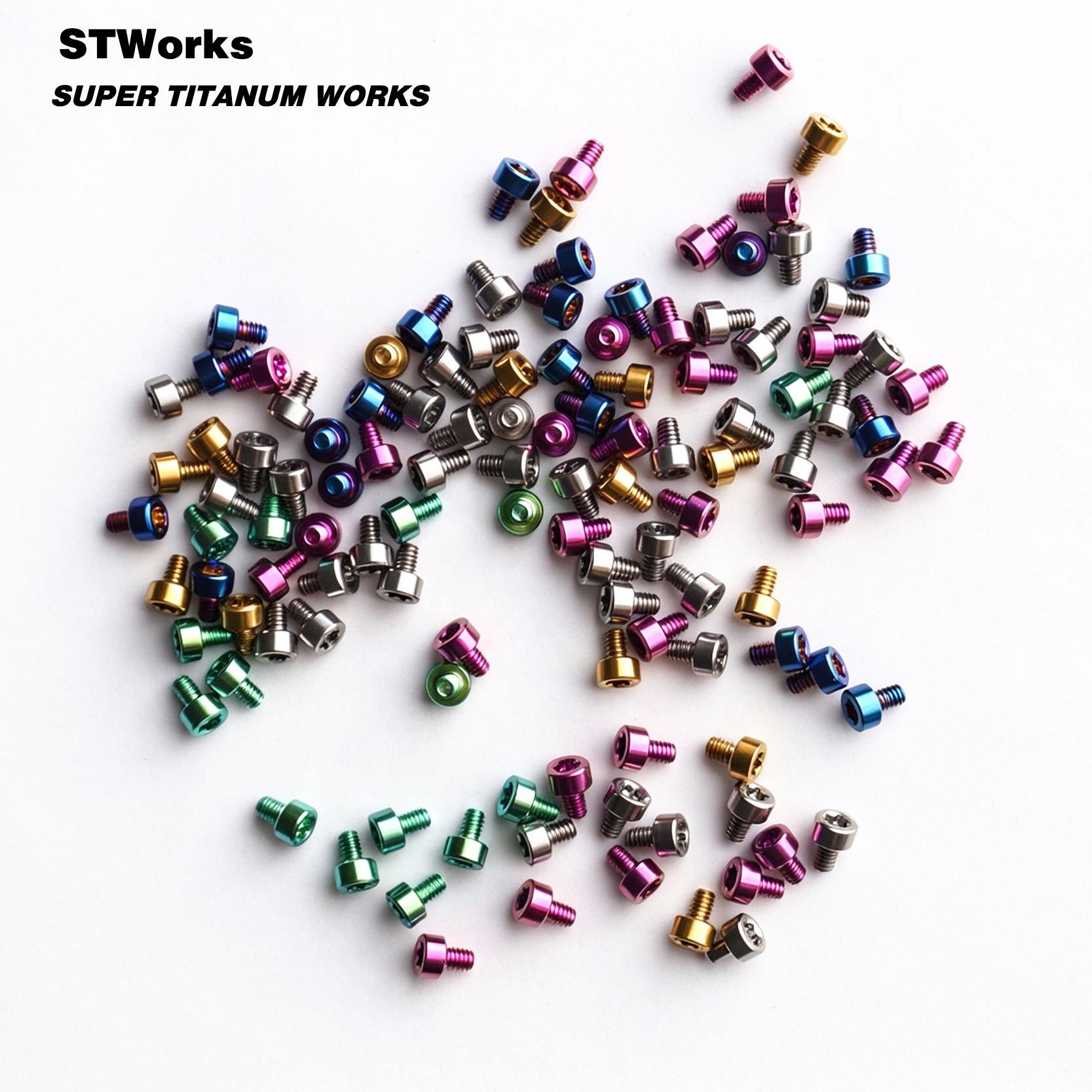
Titanium Screws M2 M2.5 Customized Cylinder Head Bolt DIN 912 Torx Micro Screws
Metallurgical Superiority: Why Ti-6Al-4V Grade 5 Outperforms Aluminum and Cr-Mo in Pedals
Bicycle pedals represent one of the most mechanically demanding components in cycling engineering. As the direct contact point transferring dynamic human wattage into rotational drivetrain kinetic energy, pedals undergo continuous multi-axial cyclic torsion, abrupt vertical impact loading, and severe lateral shear forces. Traditional component manufacturing has long relied on die-cast or extruded 6061-T6 aluminum bodies paired with chromium-molybdenum (Cr-Mo SCM435) steel spindles. However, in professional downhill mountain biking (DH), enduro racing, competitive gravel, and high-cadence road disciplines, this pairing presents significant fatigue and weight handicaps.
At Velnora Titanium Industry Co., Ltd., based in China's Titanium Valley (Baoji), we utilize vacuum-arc remelted (VAR) Grade 5 titanium alloy (Ti-6Al-4V / TC4) for both structural pedal bodies and high-stress precision 9/16"-20 UNF spindles. Grade 5 titanium combines an exceptional yield strength exceeding 880 MPa with a density of merely 4.43 g/cm³—roughly 44% lighter than alloy steel and more than twice as strong per unit mass as aerospace-grade 7075-T6 aluminum.
Microstructure & Notch Sensitivity
In pedal spindle manufacturing, microscopic stress risers at the shoulder transition (where the 9/16" pedal thread steps down to the cartridge bearing journal) represent the primary failure locus. Velnora utilizes CNC single-point micro-turning followed by multi-axis contour roller burnishing. This induces deep compressive residual stresses, suppressing micro-crack nucleation and significantly mitigating notch sensitivity under high-torque sprint loads.
| Physical & Mechanical Property | Velnora Ti-6Al-4V (Grade 5) | Commercially Pure Ti (Gr2) | Cr-Mo Steel (AISI 4130) | Aerospace 7075-T6 Al |
|---|---|---|---|---|
| Specific Density (g/cm³) | 4.43 (Optimal Balance) | 4.51 | 7.85 (Heavy Baseline) | 2.81 |
| Yield Strength (Rp 0.2, MPa) | 880 – 950 | 275 – 350 | 650 – 780 | 480 – 510 |
| Ultimate Tensile Strength (Rm, MPa) | 950 – 1080 | 400 – 480 | 800 – 920 | 540 – 570 |
| Elastic Modulus (GPa) | 110 – 114 (Damping Compliant) | 103 | 205 (Rigid, Harsh) | 71.7 (Deflection Risk) |
| Corrosion Resistance (Chloride/Mud) | Impervious (Self-Passivating) | Impervious | Poor (Prone to Rust) | Pitting & Galvanic Risks |
| Theoretical Weight Savings / Pair | 85g – 140g Reduction | 60g Reduction | 0g (Reference Point) | Baseline Body Material |
OEM/ODM Titanium Pedal Product Recommendations & Configurations
From ultralight carbon-Ti hybrid road pedals to concave downhill platform bodies, explore our specialized OEM manufacturing configurations available for contract sourcing.
Monobloc 5-Axis CNC Titanium Flat Pedals
Engineered for Downhill (DH), Enduro, and Dirt Jump riders demanding an indestructible contact surface. Milled from solid aerospace Grade 5 titanium billets on Japanese 5-axis machining centers. Features an aggressive 2.5mm parabolic concave platform, 12 replaceable custom titanium M4 traction pins per side, and an ultra-thin 11mm cross-sectional profile to maximize ground clearance over technical rock gardens.
Clipless Road & Gravel Titanium Spindle Assemblies
Designed as high-margin OEM upgrade packages for SPD, Look Keo, and Time cleat architectures. Our custom CNC-ground hollow titanium spindles shave 65 to 90 grams off stock steel pedal units. Features micro-polished bearing journals (Ra 0.15), triple O-ring elastomer sealing to lock out mud and pressurized wash water, and internal titanium retainer nuts torqued to precise preload tolerances.
Ultralight Quick-Release Folding & Urban Pedals
Custom engineered for premium titanium folding bikes (Brompton, Helix, Moulton platforms) and high-end urban commuters. Utilizes a patented dual-action CNC titanium quick-disconnect coupler collar with stainless bearing lock detents. Allows instantaneous tool-free detachment without sacrificing rotational stiffness, preventing frame scratching during compact transit and urban storage.
Future Procurement Trends in Titanium Bicycle Hardware (2025–2030)
Actionable market analysis for procurement directors, product managers, and supply chain executives managing titanium cycling hardware portfolios.
1. Additive Hybrid Manufacturing
Selective Laser Melting (SLM / DMLS) additive manufacturing is converging with subtractive 5-axis CNC machining. Next-gen pedal cages incorporate internal hollow bionic lattice ribs—unachievable through traditional billet milling—producing ultra-rigid structures under 75g per pedal body.
2. Power-Meter Ready Spindles
OEM bicycle brands are increasingly procuring titanium pedal spindles pre-machined with internal hollow sensor cavities and calibrated thin-wall strain gauge landing zones. This architecture allows smart tech integration while retaining structural Grade 5 fatigue resistance.
3. Circular Scrap Loops
ESG compliance mandates are shifting European and North American buyers toward factories with closed-loop titanium swarf remelting programs. Velnora segregates 100% of CNC swarf in Baoji, remelting vacuum-grade scrap into non-critical auxiliary hardware to lower product carbon footprints.
4. E-MTB High-Torque Certifications
With the rapid adoption of 90+ Nm mid-drive e-bikes, standard pedals suffer catastrophic bearing cage and spindle failures. Future procurement standards will mandate ISO 4210 Category 4/5 testing, shifting the industry from soft aluminum spindles to rolled-thread Ti-6Al-4V cores.
The Anti-Galling & Thread-Rolling Mandate
Titanium has a natural chemical affinity to cold-weld (gall) against aluminum crankarm threads under high tightening torque. Velnora eliminates galling through two proprietary manufacturing steps:
1. CNC Thread Rolling: Rather than tearing fibers via single-point cutting, threads are cold-formed between hardened rolling dies, creating uninterrupted structural grain lines and superior surface density.
2. PVD TiAlN / DLC Coating: A physical vapor deposition process applies a 2-3 micron layer of Titanium Aluminum Nitride or Diamond-Like Carbon, elevating surface hardness to >2500 HV and dropping friction coefficients below 0.12.
Surface Finishing Chemistry: Voltage-Controlled Anodizing vs. Vacuum PVD Coatings
Cosmetic longevity and wear resistance are paramount for high-end consumer bicycle hardware. When mountain biking in muddy, abrasive conditions, pedals encounter unrelenting slurry blast from the front wheel. Inadequate anodizing or paint will peel within hours of aggressive riding.
Velnora provides two distinct advanced finishing technologies directly in-house:
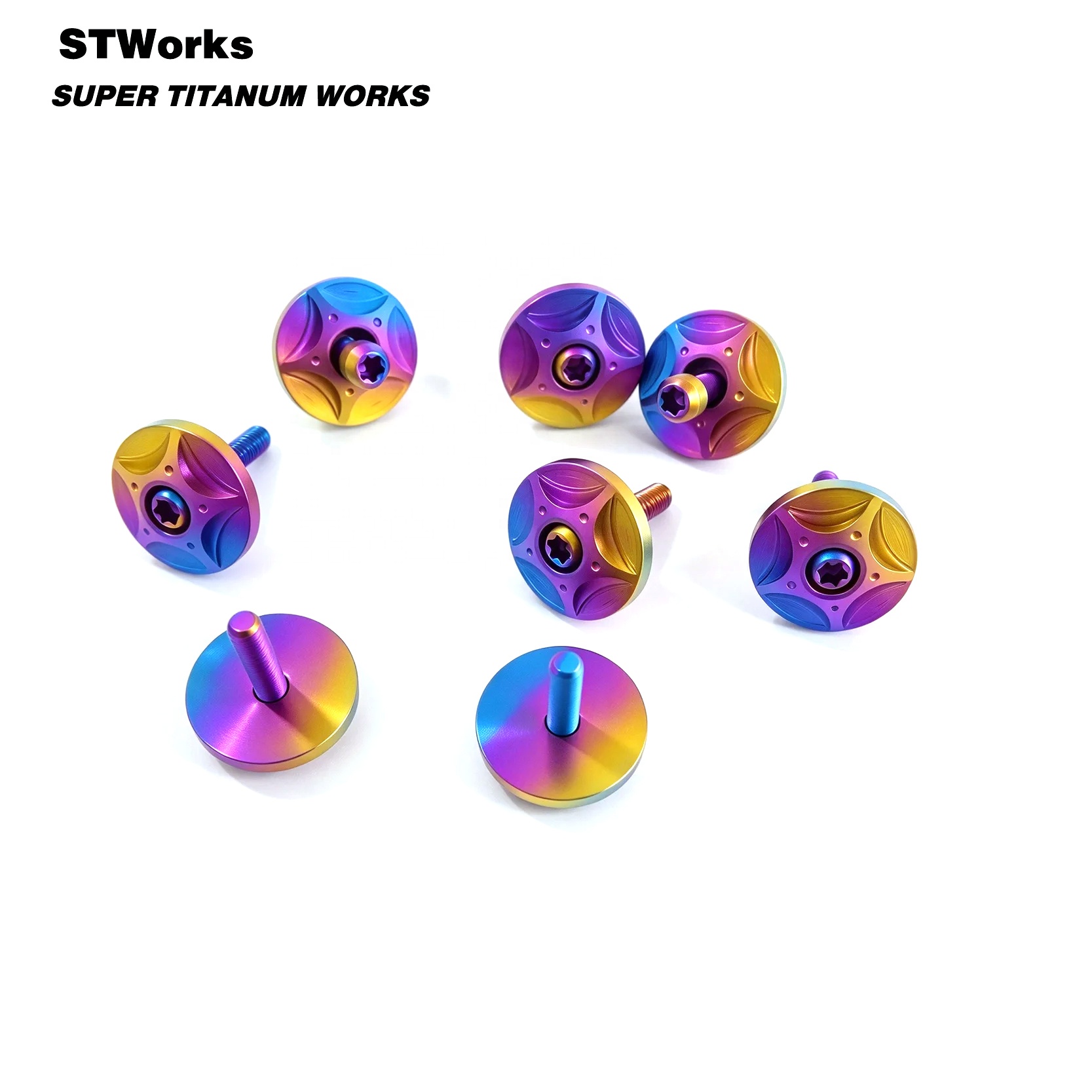
Type II & Type III Electrochemical Anodizing: By immersing CNC-machined titanium bodies in a strictly regulated electrolytic acid bath, we modulate high-precision direct current voltages (from 12V to 110V). This produces coherent titanium dioxide (TiO₂) interference layers without dyes or pigments. Depending on nanometer oxide thickness, light refraction yields vibrant, permanent metallic finishes—including Bronze (14V), Deep Purple (24V), Royal Blue (30V), Golden Amber (60V), Emerald Green (85V), and Rainbow spectrums.
Vacuum Physical Vapor Deposition (PVD): For high-wear pedal contact zones and bearing races, our vacuum cathodic arc PVD reactors deposit metal vapor ions (TiN, TiCN, or DLC). This produces deep charcoal, lustrous gold, or oil-slick finishes with diamond-like wear resistance, preventing shoe sole wear and shoe rub marks over years of hard cycling.
Why Tier-1 Global Cycling Brands Partner with Velnora
Founded in 2013 in Baoji—the heart of China's Titanium Valley—we provide dedicated titanium engineering, direct factory pricing, and transparent digital verification.
Aerospace Valley Supply Chain
Located adjacent to China's primary titanium extraction and smelting reserves, Velnora sources 100% certified 0A-grade sponge titanium. Every production batch includes full chemical spectrometer analyses and mechanical elongation/tensile Mill Test Certificates (EN 10204 3.1).
Dedicated Engineering Team
Our core team of specialized machinists and CNC programmers directly reviews your STEP, IGES, or 2D PDF engineering drawings. We optimize tool paths, minimize tool chatter marks, and recommend geometry enhancements for weight reduction and high yield rates.
Transparent Video Inspection
Overcoming remote procurement barriers: we provide high-definition live machining video logs and CMM coordinate measurement recordings before dispatching orders. Inspect thread pitch, concentricity, surface finish, and laser engraving before parts leave our facility.
Frequently Asked Questions for B2B Titanium Pedal Procurement
Straightforward technical and commercial answers addressing common engineering inquiries, MOQ requirements, quality control tests, and custom brand capabilities.