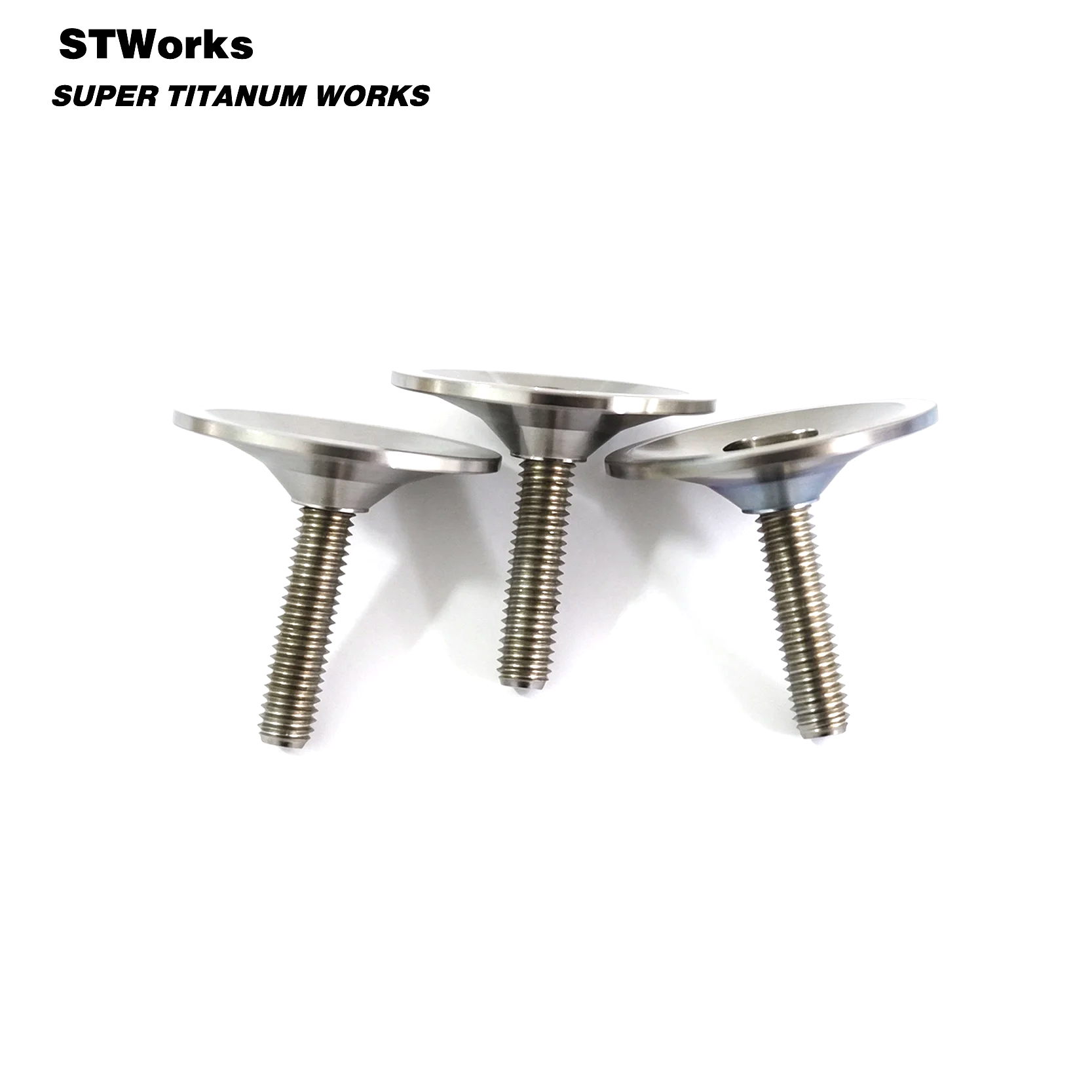
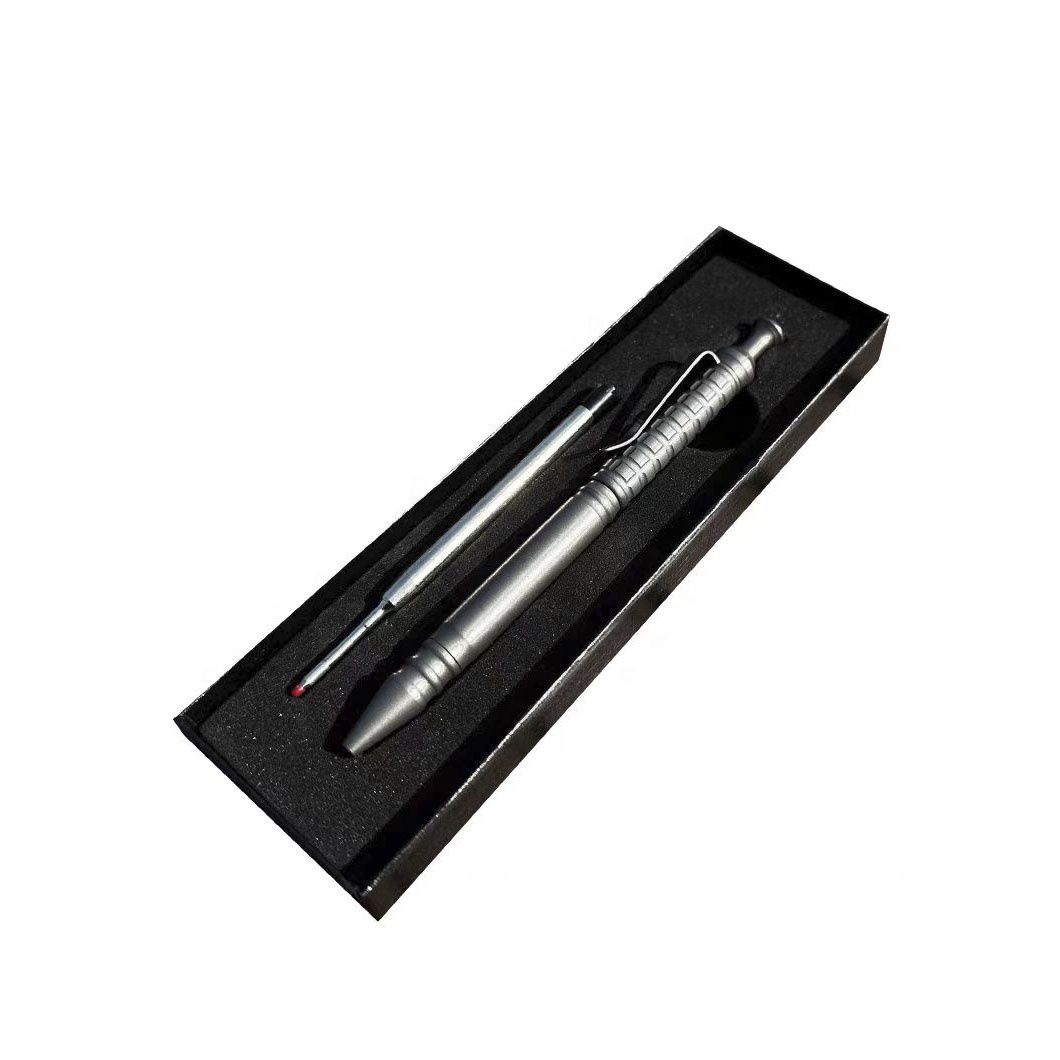
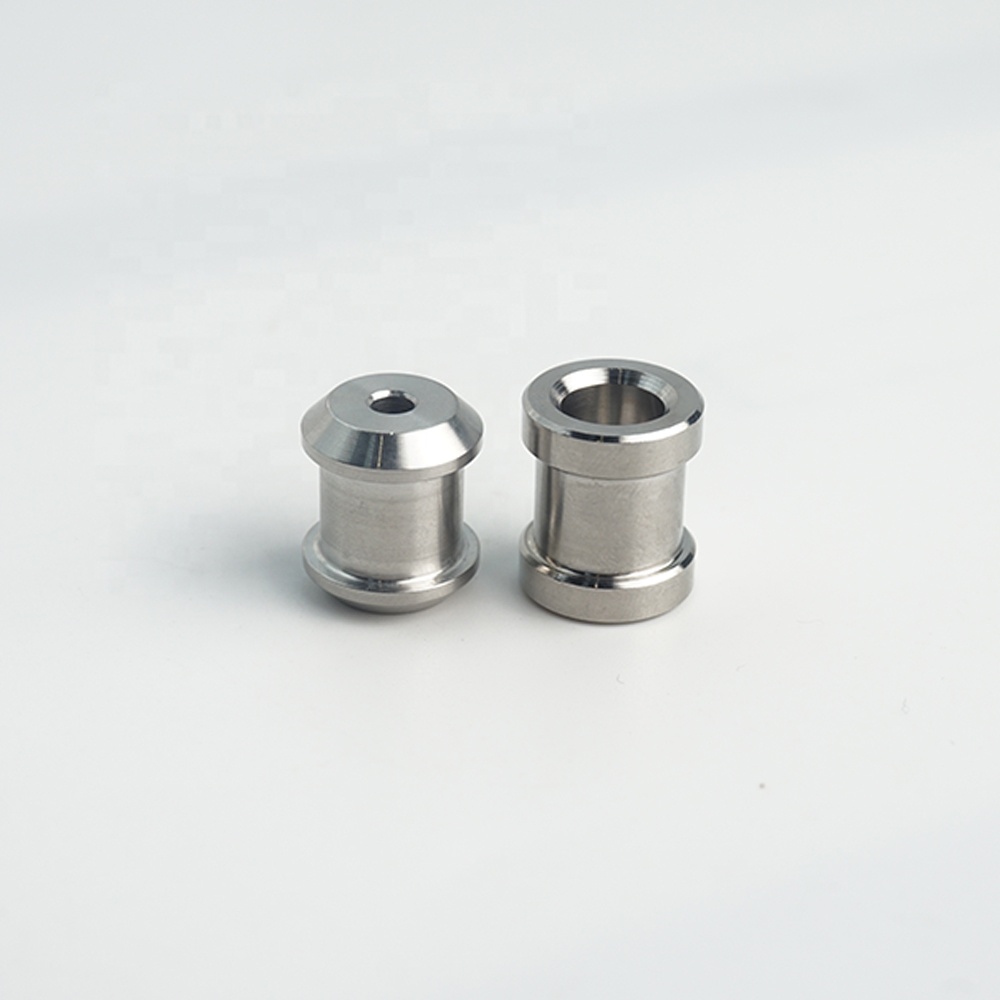
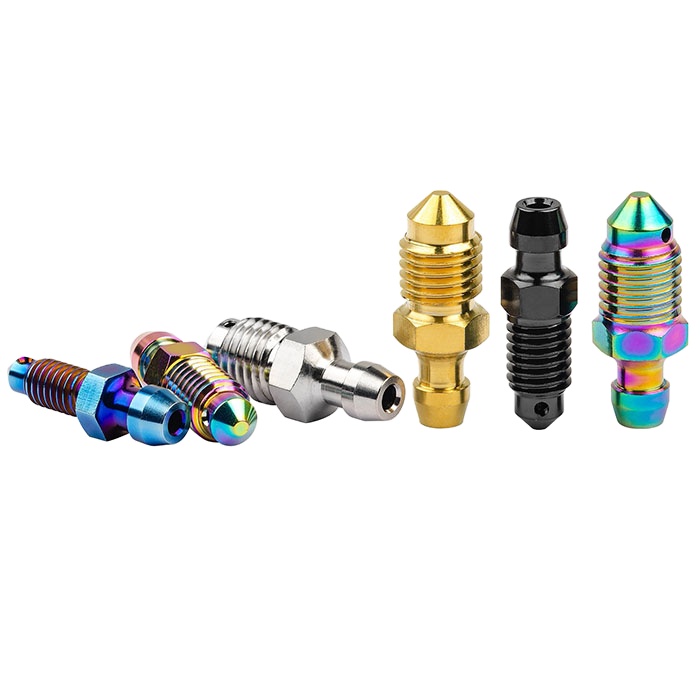
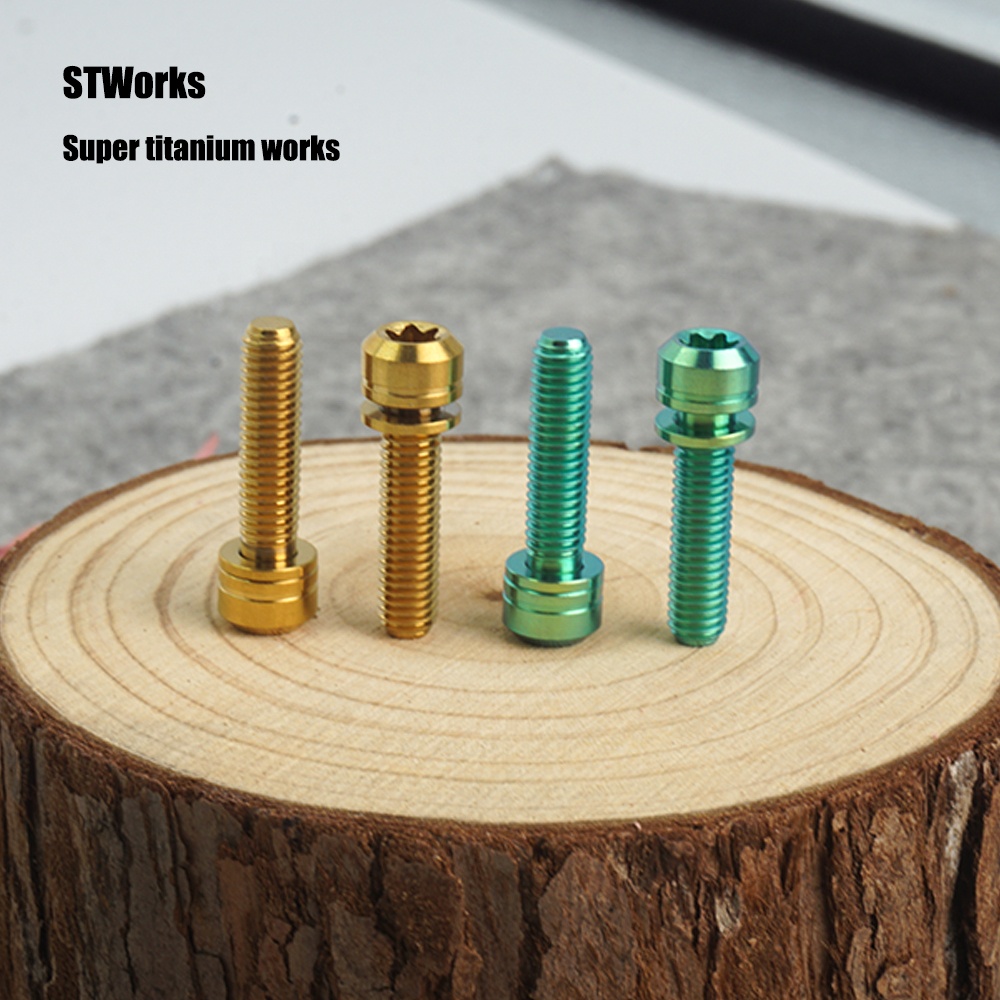
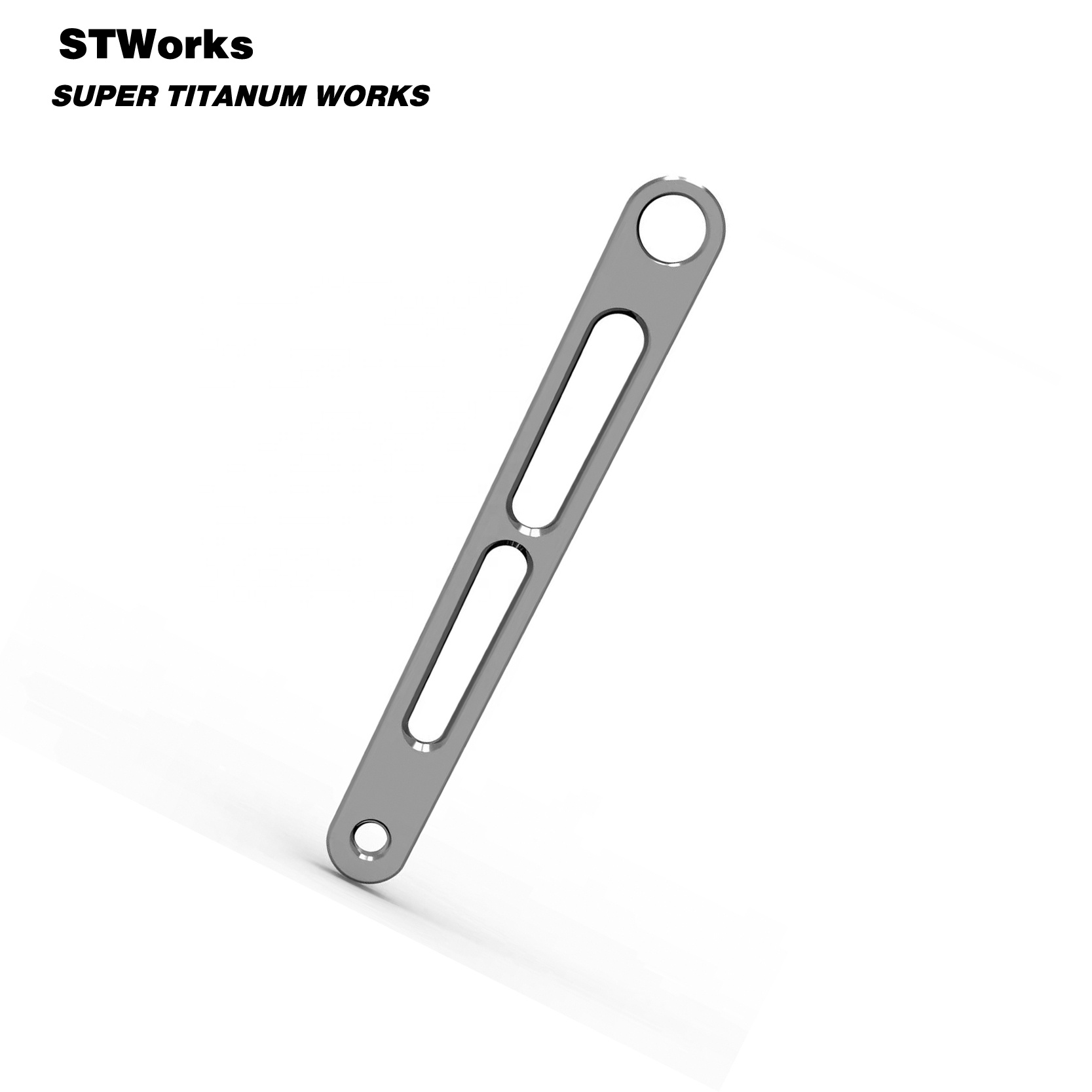
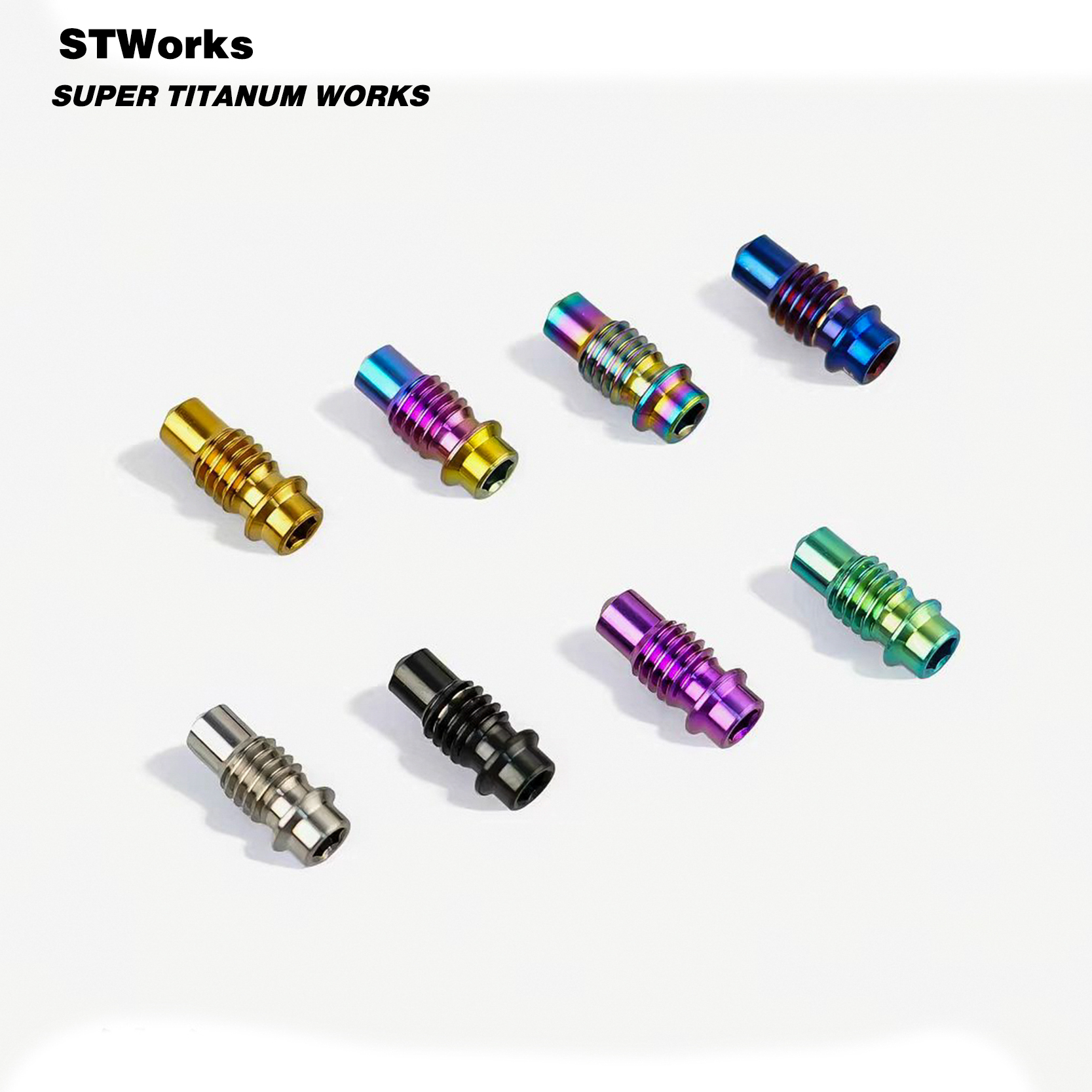
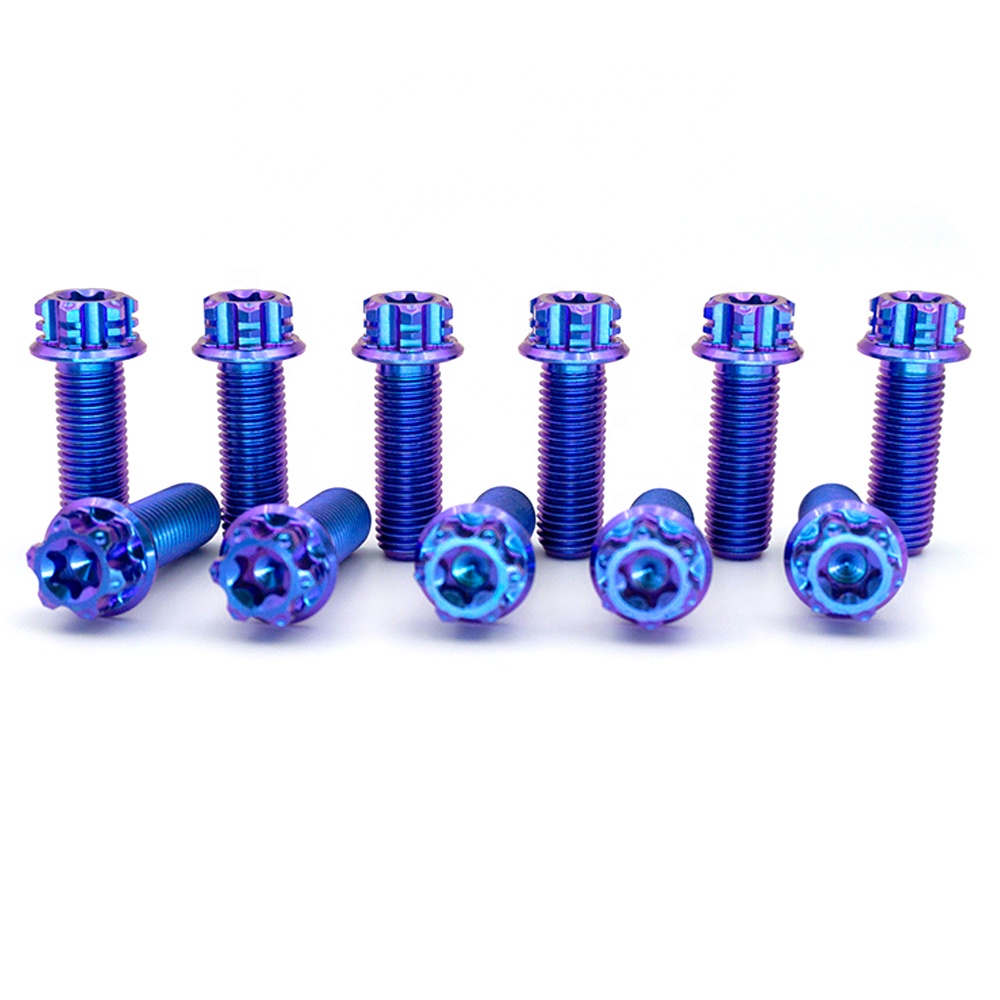
Precision-engineered Mokuti billets, multi-alloy Damascus titanium round bar stock, and custom CNC components manufactured to DIN/ISO/ASTM standards from Baoji Titanium Valley.
Precision Engineering Gallery
Featured CNC Titanium & Custom Fabricated Stock
Direct from Velnora's precision manufacturing facility in Baoji, explore our high-demand OEM/ODM titanium alloy assemblies, EDC components, and specialized fasteners built for severe mechanical environments.
As the international manufacturing landscape pivots toward ultra-luxury bespoke EDC equipment, precision horology, architectural art installations, and performance hardware, Timascus round bars (often commercially designated as Mokuti or Damascus Titanium) have evolved from an artisanal metallurgical curiosity into a standard-engineered billet form. Engineered through high-vacuum solid-state diffusion bonding, Timascus bar stock integrates alternating lamellar matrices of unalloyed Commercially Pure Titanium (predominantly ASTM Grade 2) and Alpha-Beta structural Titanium alloy (ASTM B348 Grade 5 / Ti-6Al-4V / TC4). The resulting composite material preserves the extraordinary physical attributes of titanium—low density (4.43–4.51 g/cm³), imperviousness to chloride-induced pitting, and biocompatibility—while exhibiting a distinctive, multi-hued topographical grain when heat treated or electrochemically anodized.
Information Gain: Solid-State Vacuum Diffusion vs. Conventional Cladding
Unlike roll-bonded bimetals or explosive-welded plates that exhibit pronounced shear planes and intermetallic embrittlement, premium Timascus round bars are synthesized via Hot Isostatic Pressing (HIP) in high vacuum environments exceeding 10⁻⁴ Torr at temperatures hovering around 900°C to 950°C. Under isobaric pressures between 100 to 150 MPa, titanium atoms cross the lamellar boundary zones through inter-diffusion without reaching liquidus phases, precluding the formation of brittle intermetallic crystals and achieving a joint shear strength equivalent to bulk Grade 5 base metal.
1. The Metallurgy of Laminated Titanium: Grade Combinations & Microstructures
To produce a Timascus round bar that is both structurally sound and capable of high-contrast optical refraction, strict chemical compatibility must be maintained across alternating layers. The primary OEM/ODM pairings manufactured at our Baoji facility include:
Dual-Layer Binary Configuration (CP Gr2 + Ti-6Al-4V Gr5): The definitive industrial standard. CP Grade 2 provides high ductility, low interstitial hardness, and an exceptional affinity for vibrant purple, blue, and teal oxide formation under low anodizing voltages (12V to 35V). Grade 5 (Ti-6Al-4V) introduces high yield strength (≥825 MPa), increased hardness, and distinct golden, bronze, and magenta interference tones at higher potential voltages (45V to 85V), generating high contrast.
Tri-Layer Composition (Gr2 CP + Gr5 + Gr9 / Ti-3Al-2.5V): Utilized extensively in luxury horology cases and bespoke electronic housings. The third alloy tier introduces intermediate transition spectra, delivering complex topographic gradient bands when flame-oxidized or acid-etched.
Zircuti Composites (Titanium Alloys + Zirconium 702): An ultra-premium diffusion variant wherein high-purity Zirconium strips are incorporated within the titanium billet. Upon controlled thermal exposure, the Zirconium layers oxidize into jet-black, wear-resistant zirconium dioxide (ZrO₂) ribbons, providing stark contrast against the electric blues, violets, and golds of the anodized titanium layers.
Alloy Layer Type
Yield Strength (MPa)
Tensile Strength (MPa)
Elongation (%)
Key Anodizing Voltage (Color Output)
Thermal Oxidation Character
CP Titanium Gr2 (Alpha)
≥ 275 - 350
≥ 450
≥ 20%
18V (Bronze) / 25V (Purple) / 72V (Teal)
Rapid growth; transitions into sky blues & teals
Ti-6Al-4V Gr5 (Alpha-Beta)
≥ 828 - 910
≥ 895 - 1000
≥ 10%
30V (Deep Blue) / 58V (Gold) / 85V (Green)
High heat resistance; forms radiant golds & purples
2. Mechanical Integrity & Pattern Engineering in Round Bar Geometry
Converting flat stacked sheets into round, cylindrical bars without causing shear failure or laminar separation represents one of the most demanding challenges in titanium metalworking. Flat plates exhibit uniform horizontal layers; however, turning a solid round bar from such a block leaves plain stripes running along the length. To manifest complex 3D patterns—such as Twist, Raindrop, Basketweave, Herringbone, and Topographic Contour—the bonded billets must undergo complex multi-axis thermomechanical processing:
Axial Torsion Processing
Solid forged square billets are brought to 880°C within an argon-purged furnace and subjected to controlled torsional twisting (ranging from 120° to 360° per linear foot). This spiralizes the internal lamellae, so when the outer shell is turned on a lathe, internal spiral ribbons are exposed.
Isothermal Rotary Swaging
Following pattern dislocation, the billets are radially swaged or rotary hammer-forged down to circular cross-sections (diameters ∅8mm through ∅100mm). This reduces the core grain size, refines microstructural boundaries, and aligns grain flow along the bar axis.
Centerless Precision Grinding
To eliminate forging scale, alpha-case surface embrittlement, and micro-cracks, all Timascus round bars are centerless ground to precise diametrical tolerances (ISO h7 to h9). This ensures smooth feed performance in high-speed CNC Swiss-turning automatic bar loaders.
The global procurement market for pattern-welded specialty alloys is experiencing a structural paradigm shift. Traditionally driven by individual artisan knifemakers buying small flat billets, commercial demand is now dominated by enterprise-level OEM/ODM brands across watchmaking, consumer electronics, performance motorsport styling, and luxury lifestyle accessories. Procurement managers must position their supply chains to accommodate three distinct industry transformations:
A. Rapid Adoption of Automated Swiss Lathe Machining
High-end device designers are replacing standard titanium parts with Timascus components—such as tactical pen mechanisms, flashlight bodies, camera control rings, and mechanical keyboard artisans. To turn these parts cost-effectively, CNC workshops rely on automatic bar-fed lathes that require straight, round bar stock. Irregular, hand-forged round bars with diameter variance or camber cause continuous machine jams and tool breakage. Demand for cold-drawn, centerless ground Timascus bars with an outer diameter tolerance of h7 / h8 and straightness deviations ≤ 0.5 mm per meter is growing at over 28% year-over-year.
B. Strict Ultrasonic Quality Control & MTR Traceability
Historical reliance on garage-forge fabricators frequently resulted in latent internal delamination—tiny laminar separations that stay hidden until a machinist has invested hours of cycle time into milling a part. Tier-1 enterprise buyers now mandate 100% Ultrasonic Testing (UT according to ASTM E114 / AMS 2631 standards) to guarantee zero internal voids prior to international export. Mill Test Reports (MTR 3.1) detailing chemical heat lot verification of every alloy constituent are now an essential baseline for global import customs.
C. Environmental Anodizing & PVD Hybrid Layering
While traditional thermal flame oxidation with butane or oxy-acetylene torches offers vivid colors, it is vulnerable to operator error and creates variable, non-repeatable color patterns across volume runs. Sourcing trends favor high-precision CNC anodizing setups running computer-controlled DC power supplies and specialized eco-friendly electrolytes (such as citric and phosphoric acid formulations), followed by clear diamond-like carbon (DLC) or physical vapor deposition (PVD) protective clear-coats to enhance scratch and skin-oil wear resistance.
Machining Timascus round bars introduces distinct engineering considerations due to the alternating alloy composition. Because cutting tools pass continuously between ductile CP Grade 2 and abrasive Grade 5 titanium, machinists must account for varying shear resistance and avoid intermittent tool chatter. The following machining and finishing parameters are recommended:
Cutting Speeds & Surface Footage: Utilize rigid CNC turning centers with carbide tooling coated with AlTiN, TiAlN, or PVD diamond. Surface cutting speeds should be kept at 40 to 60 SFM (Surface Feet per Minute) with rigid, continuous flood coolant. Never allow the tool to dwell or rub on the work face, as this work-hardens the titanium matrix.
Wire EDM Wire Feed & Offsets: Because Grade 2 and Grade 5 possess marginally differing electrical resistivities, slow the discharge pulse train slightly relative to monolithic titanium parameters to avoid slight micro-ridges on cut surfaces. Use high-purity brass wire with deionized water resistivity maintained above 15 MΩ·cm.
Polishing & Surface Preparation: Oxide colors depend directly on mirror-grade optical interference. Sand sequentially from 400 to 2000 grit, followed by diamond compound buffing to a Ra ≤ 0.05 μm mirror polish. Degrease thoroughly in an ultrasonic bath using an alkaline cleaner, followed by an alcohol wash. Residual fingerprint oils will cause discoloration during anodizing or heat treatment.
Chemical Etching for Tactile Contrast: Immersing polished Timascus in a mild solution of hydrofluoric/nitric acid (or safer acid-salt alternatives) selectively etches the softer CP Grade 2 layers while leaving the Ti-6Al-4V layers elevated. This creates a tactile, Damascus-style relief texture before thermal or electrolytic color development.
5. The Velnora 6-Stage Timascus Bar Manufacturing Process
At Velnora Titanium Industry Co., Ltd. in Baoji, Shaanxi, our ISO-compliant manufacturing cycle pairs high-vacuum metallurgic bonding with modern CNC bar-grinding equipment:
1
Raw Stock Surface Preparation
Certified ASTM B265 Grade 2 and Grade 5 titanium sheets are precision cut, mechanically planed, chemically pickled to eliminate the passive TiO₂ layer, and stacked in alternating sequence inside a cleanroom.
2
Vacuum Hermetic Encapsulation
Stacked billets are placed within an engineered steel canister, evacuated to high vacuum (10⁻⁴ Torr), baked to eliminate volatile impurities, and hermetically sealed via automated electron-beam welding.
3
Hot Isostatic Pressing (HIP)
Canisters undergo Hot Isostatic Pressing at 920°C and 140 MPa for 4 to 6 hours. Equal isobaric pressure from all sides guarantees full, void-free atomic diffusion across every alloy layer.
4
Thermo-Torsional Patterning
De-canned composite billets are reheated and forged into square profiles, twisted under synchronized digital servo controls to align pattern densities, and rotary hot-forged back into cylinders.
5
Precision Annealing & Stress Relief
Round bars undergo inert argon vacuum annealing at 650°C for 2 hours to eliminate internal shear stresses created during torsional working, preventing deformation during customer CNC machining.
6
Centerless Grinding & NDT Test
Every bar is centerless ground to target diameter tolerances (h7/h8), polished, and scanned via multi-channel ultrasonic immersion testing to verify complete, uninterrupted solid-state bonds.
Enterprise Edge: Why Source From Velnora Titanium (Baoji, China)
Strategically headquartered in Baoji, Shaanxi—widely recognized as China's "Titanium Valley"—Velnora Titanium Industry Co., Ltd. has specialized in precision titanium fasteners, CNC parts, and Timascus materials since 2013. Sourcing your OEM/ODM Timascus round bars and CNC assemblies from our facility delivers distinct commercial advantages:
Integrated Raw Material Supply: Direct access to local sponge titanium refining and cold-crucible vacuum arc remelting (VAR) infrastructure reduces baseline supply risks and raw material costs.
Comprehensive Process Transparency: Every client receives high-definition production photographs and video progress logs for their order, providing visibility from raw billet bonding to final thread-gauge inspection.
Flexible Minimum Order Quantities (MOQ): While volume automotive and bicycle fasteners operate on regular production batches, our Timascus bar stock and specialty EDC blanks are available from prototype scale (from 1 piece) up to multi-ton recurring releases.
What are the standard available diameters and lengths for Timascus round bars?
We manufacture Timascus round bar stock ranging in diameter from ∅6.0mm (ideal for jewelry rings and fine bolt blanks) up to ∅120mm (for luxury watch cases, custom spheres, and automotive exhaust tips). Standard bar lengths are supplied in 500mm, 1000mm, and custom continuous lengths up to 2000mm, precision-cut via wire EDM or coolant-fed bandsaws.
Will Timascus round bars delaminate during high-feed CNC turning or drilling?
No. When synthesized using our vacuum Hot Isostatic Pressing (HIP) process, the bond between CP Grade 2 and Ti-6Al-4V is a solid-state atomic diffusion layer, not an adhesive or mechanical joint. Interlaminar shear tests show that the joint interface equals the strength of bulk titanium. Bars can be drilled, threaded, bored, and deep-milled without separation, provided adequate coolant is used to prevent thermal buildup above 800°C.
How does flame coloring differ from electrochemical bath anodizing on Timascus?
Electrochemical anodizing uses a controlled DC voltage power supply in an electrolytic bath to form a precise, uniform titanium dioxide (TiO₂) interference layer across the part. Because Grade 2 and Grade 5 react at different voltage levels, this method delivers crisp, repeatable color differences. Flame coloring (using a torch) relies on direct heat conduction. While it produces warm, organic gradient tones, it depends entirely on operator technique and is difficult to match consistently across large production runs.
Can Timascus be used for critical structural hardware, like automotive wheel bolts?
Timascus is engineered primarily as a decorative and functional material for luxury accessories, watch bezels, EDC equipment, and accent trims. Because it contains layers of lower-yield CP Grade 2 titanium alongside Grade 5, its overall yield and fatigue strength are lower than a monolithic Ti-6Al-4V Grade 5 fastener. For critical structural applications—such as racing wheel lug nuts or suspension pivots—we recommend our monolithic Grade 5 fasteners, which can be custom PVD coated or color anodized to achieve high visual impact safely.
What documentation and certifications are provided with export shipments?
Every export shipment includes comprehensive Mill Test Certificates (MTC / EN 10204 3.1) detailing chemical heat analysis, mechanical tensile and elongation data for each constituent alloy lot, dimensional CMM inspection reports, and non-destructive Ultrasonic Testing (UT) certificates confirming internal billet integrity. RoHS and REACH compliance certificates are also available upon request.
What is the standard production lead time for custom OEM pattern orders?
Standard inventory round bars (∅12mm to ∅35mm in classic twist and raindrop patterns) ship within 3 to 5 business days via DHL/FedEx Express. Bespoke OEM/ODM orders—such as custom layer counts, special alloy pairings, or specific outside diameters—typically require 15 to 25 business days to accommodate vacuum canning, HIP bonding, rotary forging, centerless grinding, and quality verification.
Accelerate Your Titanium Sourcing Pipeline
Request dimensional tolerances, metallurgical certification, and current stock lists for our Timascus round bars and custom CNC fastener programs. Our engineering team responds within 4 business hours.