Grade 5 Ti
Each titanium product is precision-machined from certified aerospace billets, offering exceptional strength-to-weight ratios, permanent corrosion resistance, and verified tolerance conformity.
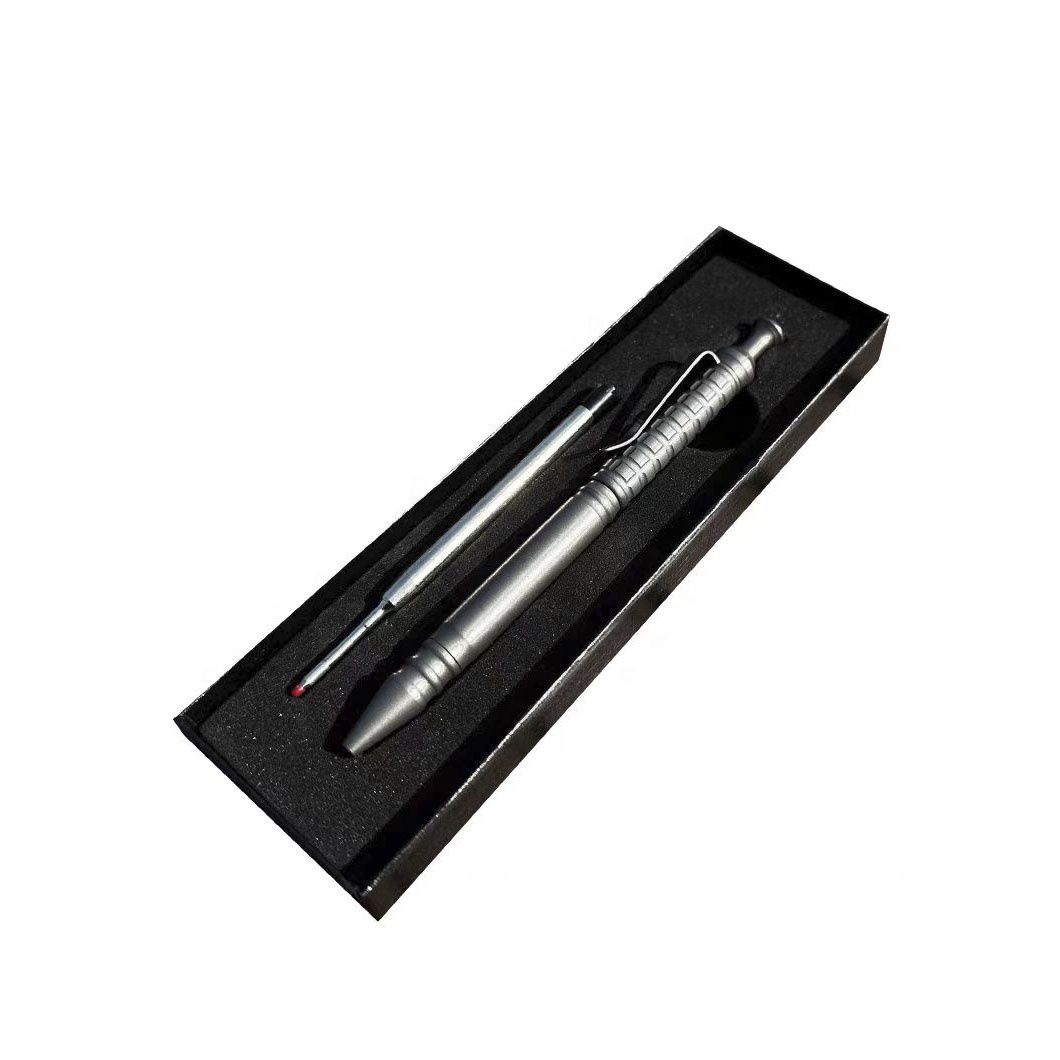
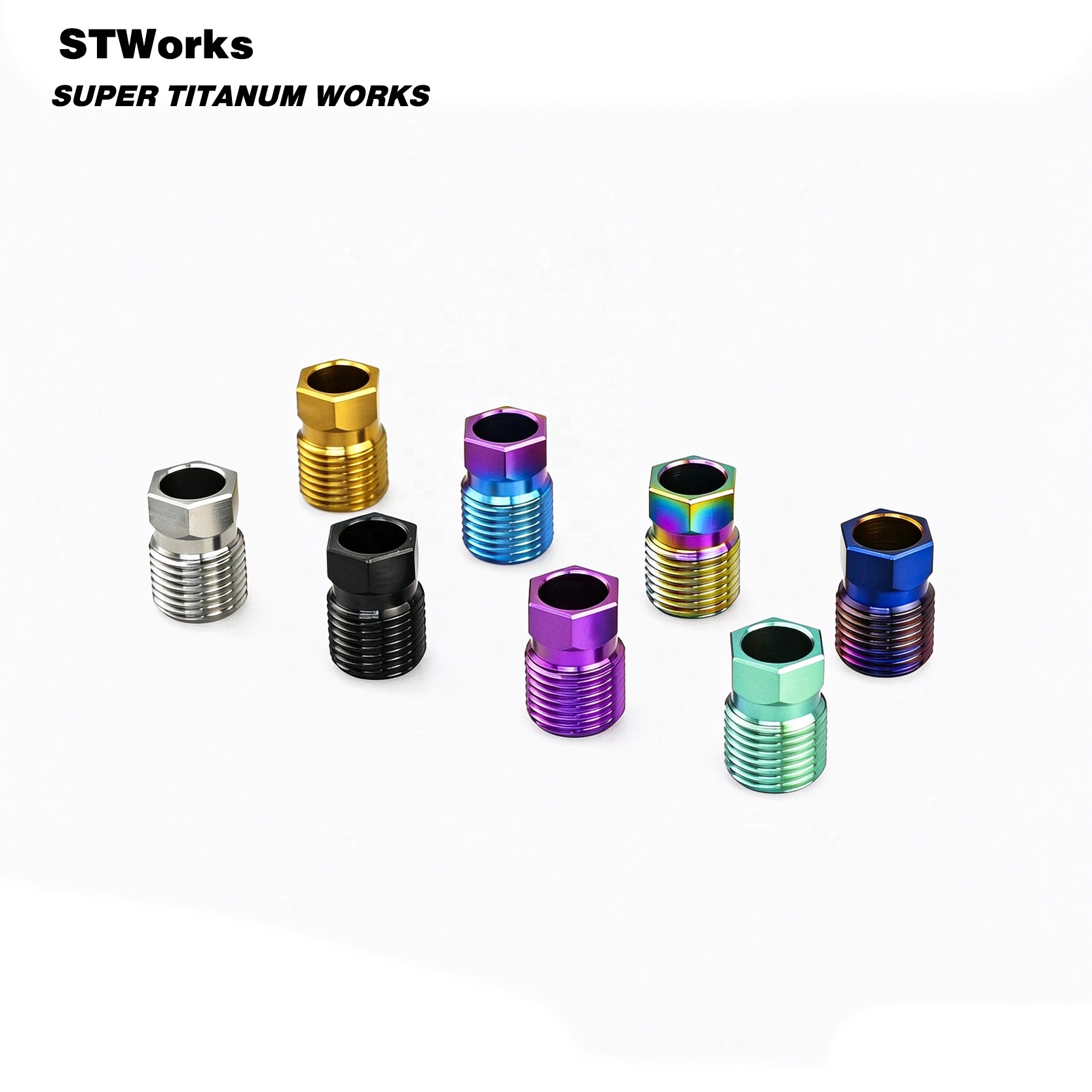
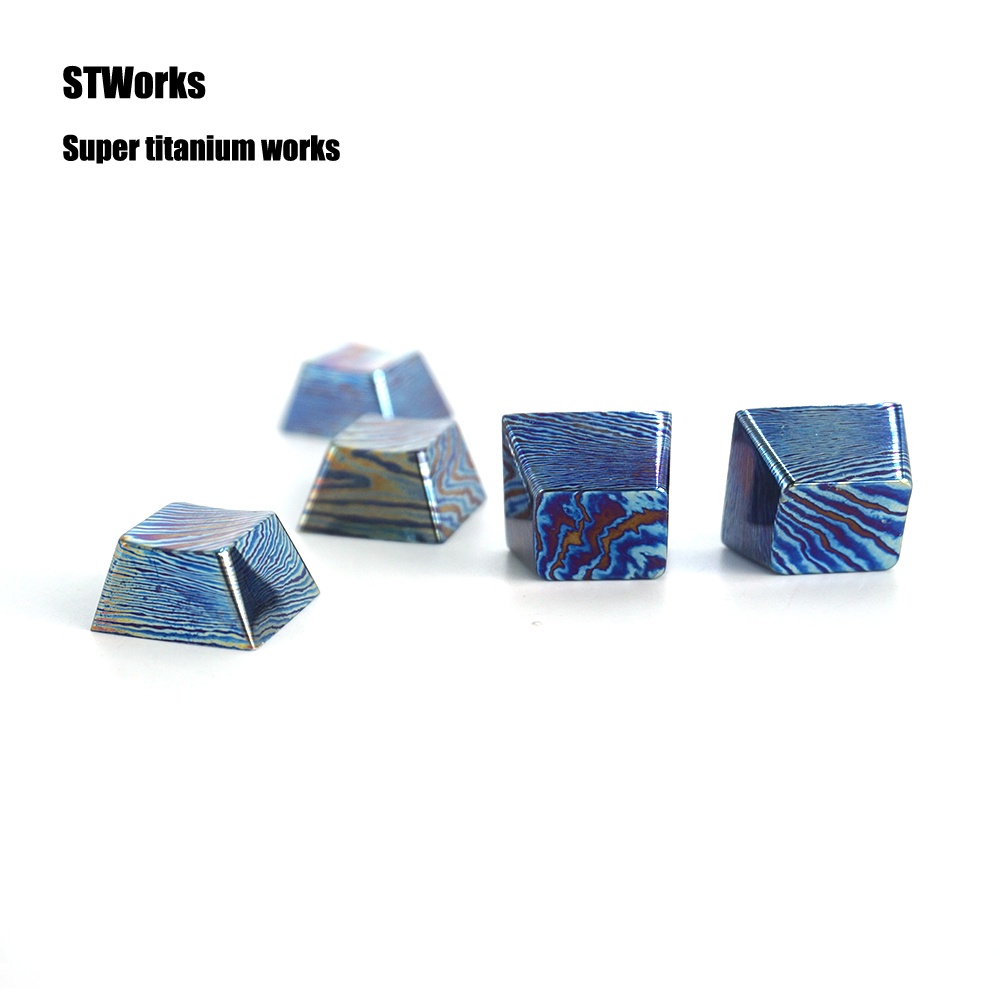
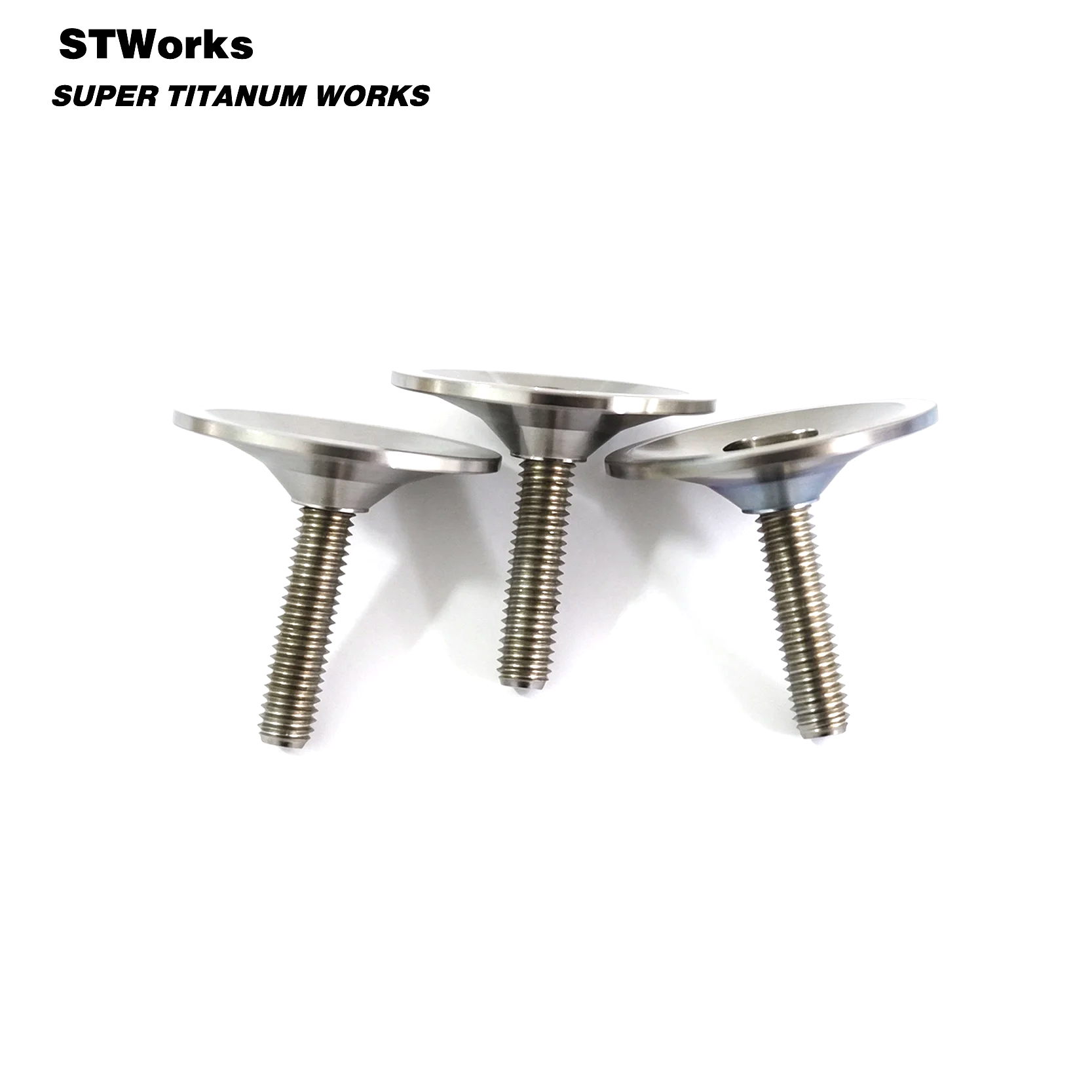
Understanding the microstructural properties, tensile force dissipation, and fatigue thresholds of Gr5 Ti-6Al-4V flanged fasteners in high-vibration assemblies.
In mission-critical mechanical systems, the flange nut represents a superior fastening geometry compared to standard hex nuts coupled with loose washers. By integrating an expanded circular base directly into the hex body, the flange nut eliminates the interface slippage commonly observed between washer faces and workpiece surfaces. When engineered from high-purity titanium alloys—predominantly Grade 5 (Ti-6Al-4V / TC4, UNS R56400)—these fasteners deliver an unmatched strength-to-weight profile, high fatigue tolerance, and natural immunity to galvanic and chloride-induced stress corrosion cracking.
Standard industrial standards—such as DIN 6923, ISO 4161, EN 1661, and ASME B18.16.4M—stipulate precise ratios between nominal thread pitch, hex width across flats ($s$), nut height ($m$), and flange diameter ($d_c$). Custom OEM titanium flange nuts often depart from purely commercial dimensions to satisfy tight packaging constraints in motorsport suspensions, aerospace turbine cowlings, high-end bicycle disc calipers, and marine chemical piping.
The wide flange base magnifies the bearing contact area by up to 2.4 times relative to a standard ISO 4032 hex nut. This drastic expansion diminishes clamping surface stress ($\sigma = F / A$), preventing galling, deformation, and embedment when torqued down against softer substrate materials such as carbon fiber composites, 7075-T6 aluminum alloys, and magnesium casings.
OEM manufacturers can configure either smooth-faced or serrated flange profiles. Smooth flanges are optimal when preserving surface coatings, anodized anodization layers, or dynamic sealing rings. Serrated teeth generate mechanical interlock into the mating surface, significantly elevating break-away torque and resisting vibrational rotational loosening without needing anaerobic chemical threadlockers.
While secondary turning produces external geometry, critical female internal threads are formed using high-precision CNC tapping or cold thread rolling methods. Thread rolling maintains continuous metallurgical grain flow along the root and crest profiles, eliminating microscopic micro-fractures, drastically lowering notch sensitivity, and improving cyclic fatigue life by over 300%.
Quantitative property matrix comparing Gr5 Ti-6Al-4V, CP Grade 2, 316 Marine Stainless Steel, and Class 10.9 Alloy Steel.
| Mechanical / Physical Property | Ti-6Al-4V Grade 5 (TC4) | CP Grade 2 Titanium | AISI 316 Stainless Steel | Property Class 10.9 Steel |
|---|---|---|---|---|
| Density ($\rho$, g/cm³) | 4.43 | 4.51 | 8.00 | 7.85 |
| Ultimate Tensile Strength ($R_m$, MPa) | 950 – 1,050 | 345 – 480 | 580 – 720 | 1,000 – 1,040 |
| Yield Strength ($R_{p0.2}$, MPa) | 880 – 920 | 275 – 350 | 220 – 310 | 900 – 940 |
| Modulus of Elasticity ($E$, GPa) | 114 | 103 | 193 | 210 |
| Strength-to-Weight Ratio ($kNm/kg$) | 214.4 | 76.5 | 72.5 | 127.4 |
| Chloride Pitting Resistance (PREN) | Immune (>60) | Immune (>60) | 23 – 25 (Moderate) | Poor (<10) |
| Operational Thermal Ceiling (°C) | 400 – 450 | 300 | 550 | 350 (Untempered) |
| Non-Magnetic Permeability ($\mu_r$) | 1.00005 (Paramagnetic) | 1.00005 (Paramagnetic) | 1.005 – 1.015 | Ferromagnetic |
The metallurgical data demonstrates that while Class 10.9 quenched-and-tempered alloy steels provide high absolute yield strength, their excessive mass (7.85 g/cm³) and vulnerability to rust severely restrict their utility in racing vehicles, hypercars, unmanned aerial vehicles (UAVs), and performance maritime craft. Grade 5 Titanium matches Class 10.9 static tensile capacity while stripping away 43.6% of joint weight. Furthermore, because titanium possesses a significantly lower elastic modulus ($E \approx 114\text{ GPa}$) relative to carbon steel ($E \approx 210\text{ GPa}$), a titanium flange nut behaves elastically under dynamic impulse loads, flexing microscopically to absorb sudden impact spikes and mitigating sudden fatigue shearing.
Founded in 2013 in Baoji, China's Titanium Valley, we operate an integrated precision machining infrastructure serving over 1,000 corporate clients globally.
Situated in Baoji, Shaanxi, our facility sources premier vacuum-arc remelted (VAR) sponge titanium ingot bar stock directly from verified domestic mills, accompanied by authentic EN 10204 3.1 chemical inspection certificates.
Transparent manufacturing: We supply real-time high-definition machining clips and coordinate-measuring machine (CMM) dimensional checks prior to shipment, empowering international clients to verify order quality remotely.
Full in-house surface treatment capabilities: Multi-voltage anodic coloring (electric blue, deep purple, burnt rainbow, emerald green), micro-bead sandblasting, mirror mechanical polishing, and wear-resistant PVD (DLC, TiN) finishes.
Direct engineering communication: Our CAD/CAM specialists evaluate customer STEP, IGES, and PDF technical drawings with manufacturing feasibility reports and quotations delivered within 4 business hours.
Strategic analysis for enterprise procurement teams, supply chain directors, and automotive racing tier-1 suppliers navigating the next decade.
As EV manufacturers fight to curb curb-weight penalties associated with high-capacity lithium iron phosphate (LFP) and nickel-manganese-cobalt (NMC) battery packs, un-sprung rotating mass and chassis joint weights are receiving strict scrutiny. Grade 5 titanium flange nuts with customized 12-point bi-hexagonal drive heads are rapidly superseding zinc-nickel plated steel nuts across motor inverters, battery pack enclosures, and suspension upright linkages to extend vehicle range per kilowatt-hour.
International compliance standards (including EU Carbon Border Adjustment Mechanism & ISO 9001/AS9100 quality systems) are shifting enterprise demand toward transparent raw material genealogy. Modern procurement teams no longer accept generic mill sheets; factories must supply heat-traceable spectroscopic chemical breakdowns, ultrasonic flaw detection logs, and automated optical vision inspection records proving zero defect parts-per-million (PPM) thresholds.
High-efficiency Swiss lathe turning generates up to 40% titanium chips (swarf) when machining complex custom flange geometries from solid bar. Leading global exporters are instituting closed-loop chip de-oiling, briquetting, and vacuum-arc smelting partnerships. This sustainable manufacturing loop insulates long-term contractual buyers against raw sponge price surges while advancing corporate environmental, social, and governance (ESG) targets.
Practical engineering directives for tightening torque, friction coefficient management, and galvanic compatibility.
A critical consideration for mechanical engineers specifying titanium flange nuts is the phenomenon of thread galling (cold welding). Titanium alloys possess a spontaneous, naturally healing surface oxide film ($\text{TiO}_2$). While this passive layer imparts astounding corrosion resistance, high localized contact stresses and frictional sliding shear during rapid tightening can rupture the oxide film. The bare, highly reactive metal asperities under mechanical pressure momentarily fuse together, causing microscopic thread seizure and devastating the joint.
Never assemble bare titanium flange nuts dry. Sourcing specifications should mandate high-temperature anti-seize pastes containing copper, aluminum, or molybdenum disulfide ($\text{MoS}_2$). When utilized in food processing or aerospace oxygen lines where grease is barred, fluoropolymer dry-film lubricant sprays must be designated.
Lubrication fundamentally alters the nut factor in the standard clamping torque equation:
$T = K \cdot D \cdot F_p$
While dry titanium exhibits a erratic $K$-factor between 0.25 and 0.32, a calibrated fluoropolymer or nickel-based anti-seize stabilizes $K$ between 0.11 and 0.15, preventing inadvertent tensile yields during pneumatic assembly.
For repetitive maintenance joints (such as racing sprocket nuts or brake rotor hardware), physical vapor deposition (PVD) applying Diamond-Like Carbon (DLC) or Titanium Nitride (TiN) achieves a micro-hardness exceeding 2,500 HV, preventing galling even across repeated disassemblies.
Galvanic Isolation Protocols: When titanium flange nuts are secured against carbon steel, structural aluminum alloys, or magnesium in damp marine or road-salt splash zones, the massive electrochemical potential disparity ($+0.05\text{V}$ for passivated Ti vs. $-0.75\text{V}$ for aluminum) can accelerate galvanic degradation of the mating metal. Specifying wide-diameter flange nuts equipped with non-conductive dielectric washers (e.g., PTFE or PEEK) or utilizing specialized zinc-flake insulating primers effectively halts electrical conduction across the joint interface.
Critical metallurgical, manufacturing, and logistics considerations answered by our senior factory engineering team.
Grade 5 (Ti-6Al-4V / TC4) is an alpha-beta alloy containing 6% aluminum and 4% vanadium, delivering high tensile strength ($R_m \ge 895\text{ MPa}$), high fatigue endurance, and heat resistance up to 400°C. It is the premier choice for automotive racing, aircraft structural components, and high-stress mechanical joints. In contrast, Grade 2 is commercially pure (CP) titanium with superior ductility and chemical formability but a much lower tensile strength ($R_m \approx 345\text{ MPa}$). Grade 2 is specified almost exclusively in low-load chemical processing tanks, electroplating racks, and marine exhaust systems where extreme resistance to aggressive acids and seawater outweighs mechanical load demands.
Yes. We regularly produce to DIN 6923, ISO 4161, JIS B1190, and ANSI/ASME B18.16.4M standard dimensions. Additionally, our multi-axis CNC machines allow us to produce bespoke geometric variations, such as reduced hex widths for restricted socket clearances, scalloped flanges for extreme weight reduction, 12-point (bi-hex) aeronautical drive configurations, and non-standard fine pitch threads (e.g., M10x1.0, M12x1.25, M14x1.5).
Our factory operates Japanese-imported multi-spindle Swiss-type CNC automatic lathes where the flange face, outer hex flats, internal bore, and threading operations are carried out in a single clamping setup. This eliminates cumulative chuck re-centering errors, holding perpendicularity between the flange bearing face and thread axis within 0.02 mm and concentricity within ±0.005 mm. Every batch is systematically verified using certified hard Go/No-Go thread plug gauges (Class 6H or 4H), alongside optical profile projectors and CMM inspections.
For fasteners that undergo frequent maintenance removal (such as racing wheel lug nuts or sprocket bolts), we strongly advocate Physical Vapor Deposition (PVD) Diamond-Like Carbon (DLC) or Titanium Nitride (TiN) coating. While standard electrochemical anodizing produces vibrant aesthetic colors, the oxide layer is only 20 to 100 nanometers thick and can wear away under heavy socket tool friction. PVD coatings form a 2-to-4 micrometer hard ceramic-metallic barrier with a surface hardness exceeding 2,500 HV, radically diminishing the coefficient of friction and providing permanent anti-galling protection.
For standard catalogue sizes in metric M3 through M24, our baseline MOQ is typically 100 to 300 pieces depending on geometry and surface finish. For completely custom OEM components matching customer technical prints, our prototype sample batches begin at 50 pieces, scaling seamlessly into batch runs of tens of thousands. Prototype CNC samples can typically be machined, inspected, and dispatched within 7 to 10 working days, while recurring production contracts are fulfilled within 18 to 25 calendar days with express air and consolidated sea shipping options.
As a modern digital manufacturing facility, we provide comprehensive in-process documentation. Clients receive dedicated high-definition video walkthroughs and photographic records demonstrating their specific parts during CNC turning, thread rolling, ultrasonic degreasing, color anodizing, and final dimensional inspection. Mill Test Reports (MTRs) detailing chemical analysis and mechanical tensile testing are enclosed with every export consignment, providing full regulatory compliance and peace of mind before parts leave our facility in Baoji.
Connect directly with our precision machining team in Baoji. Send your 2D engineering drawings, 3D CAD models, or replacement part specifications to receive a manufacturability review and pricing within 4 business hours.