Precision Titanium Machined Components Showcase
Direct from our CNC milling and Swiss-lathe cells in Baoji. Each component is manufactured from aerospace-grade raw stock with certified metallurgical test reports (MTRs) and 100% thread gauge verification.
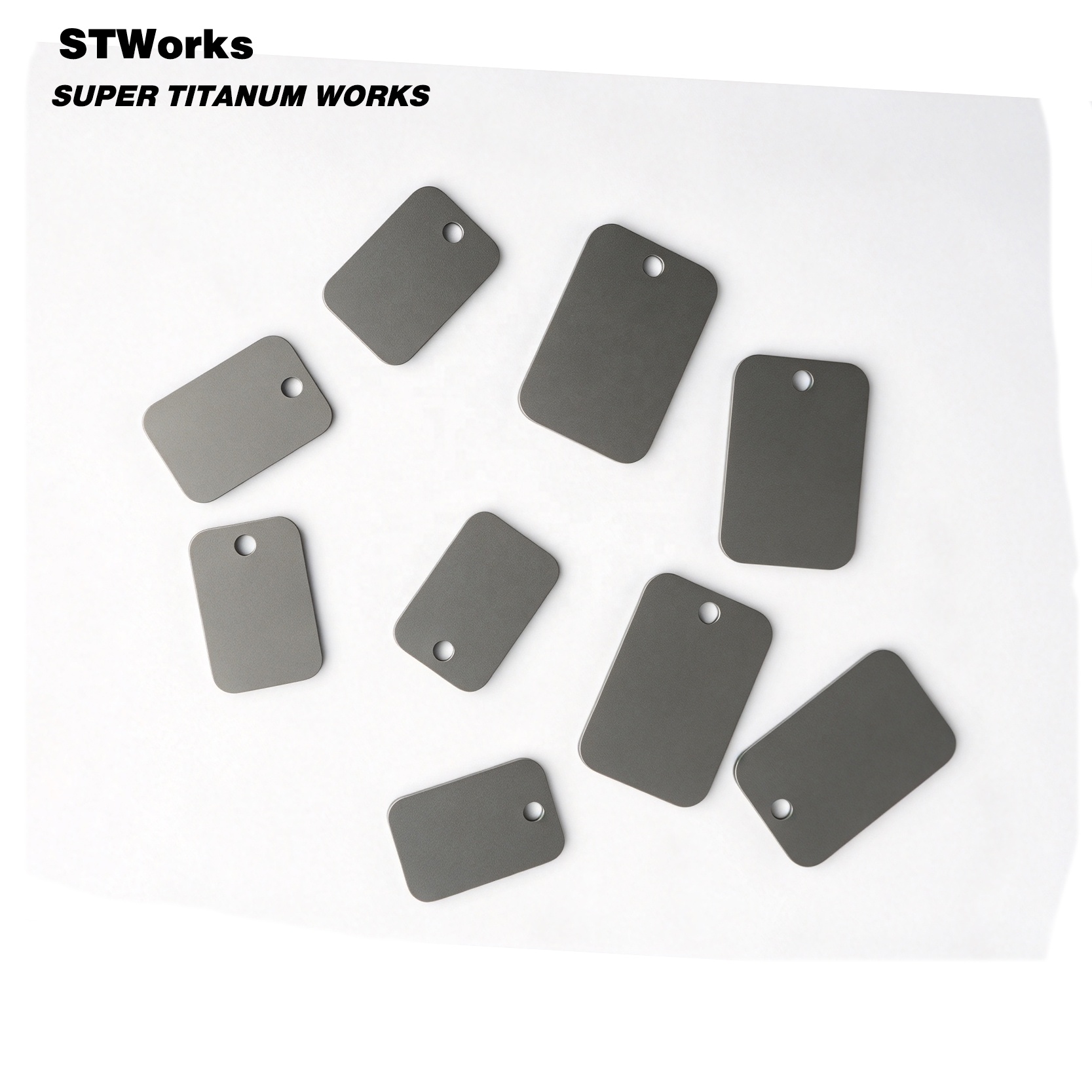
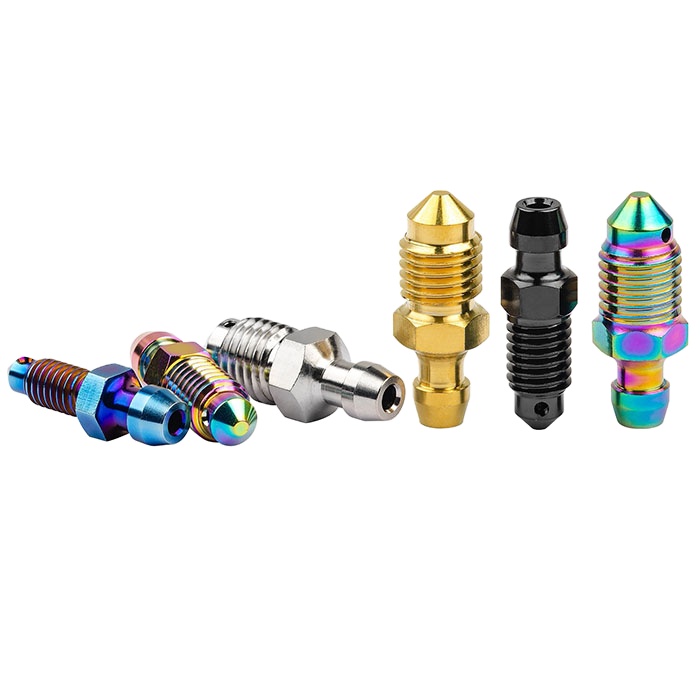
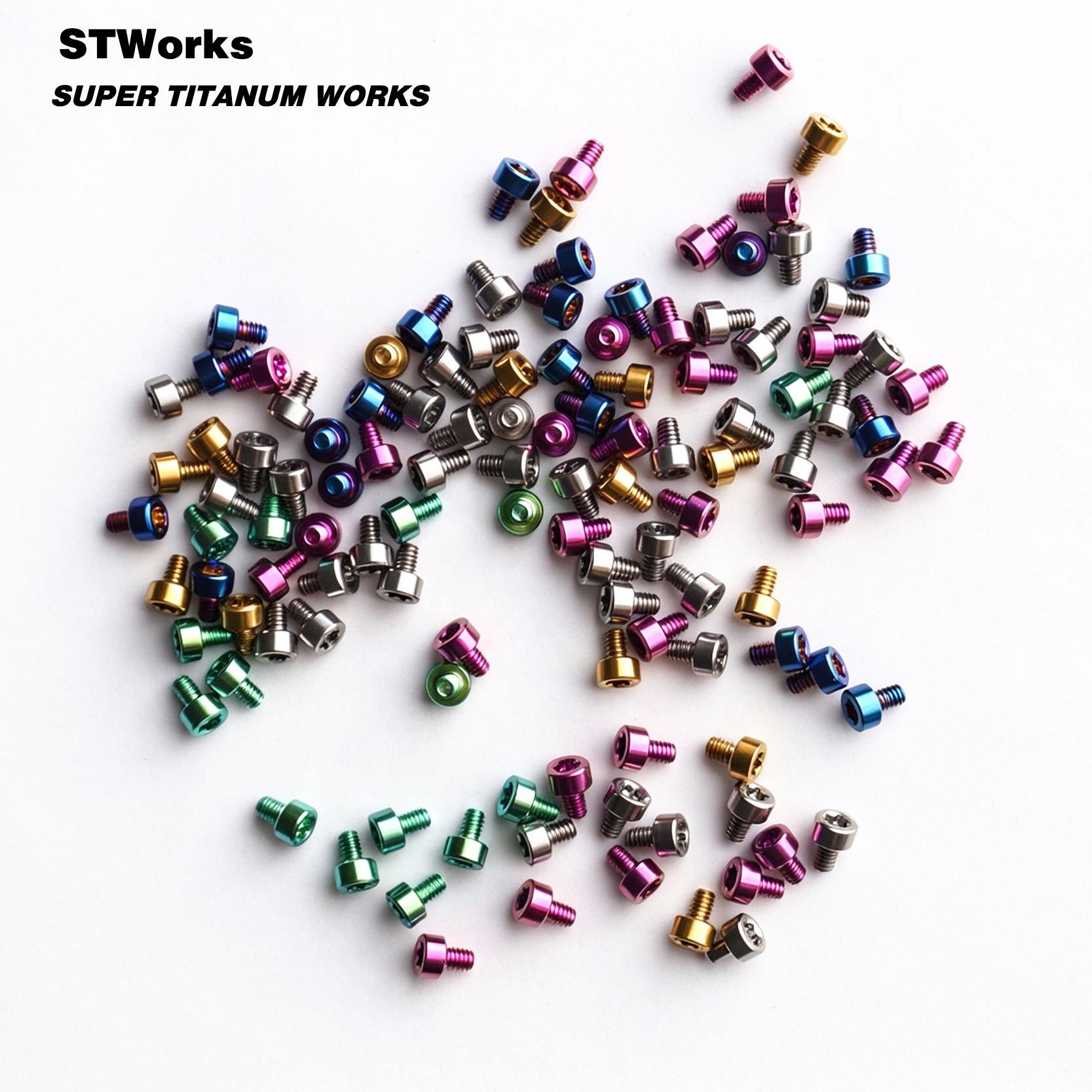
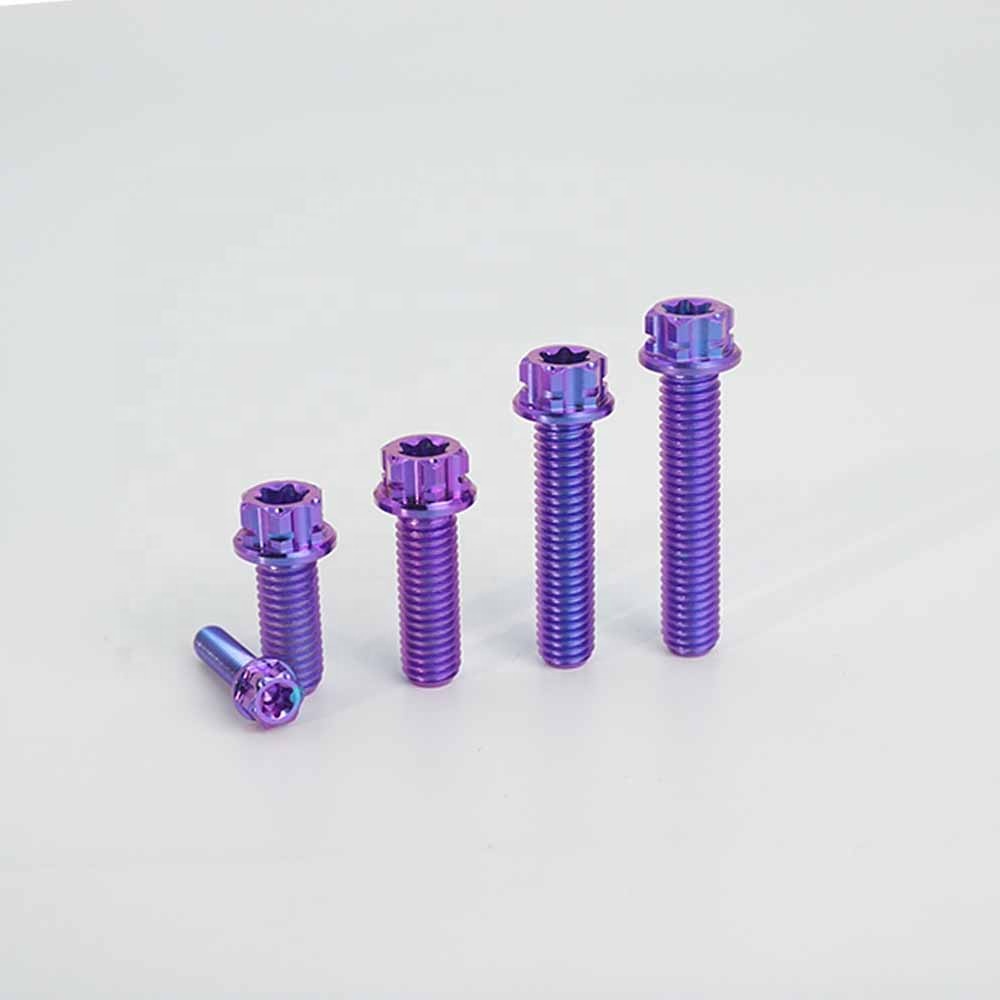
Engineering Metallurgy & Subtractive Manufacturing Discipline
Titanium is not simply a lightweight alternative; it is an anisotropic material requiring stringent machining dynamics, specific cutter geometries, and precise thermal mitigation to prevent work-hardening and micro-cracking.
Ti-6Al-4V (Grade 5 / TC4) Alpha-Beta Dynamics
Comprising 6% aluminum to stabilize the alpha phase and 4% vanadium to stabilize the beta phase, Grade 5 offers an ultimate tensile strength exceeding 895–950 MPa. With a density of 4.43 g/cm³, it yields unmatched specific strength. Our Baoji facility sources exclusively vacuum-arc remelted (VAR) billet to guarantee uniform grain boundary distribution and zero interstitial voids.
Thread Rolling vs. Subtractive Thread Cutting
In high-vibration applications such as motorcycle brake calipers, front fork pinch bolts, and rotor mounts, cut threads introduce micro-notches that act as stress concentrators. Velnora utilizes high-tonnage tangential and radial thread rolling machines. This plastic deformation reorients the material's grain lines continuously along the thread profile, enhancing shear capability and elevating fatigue life by over 300%.
Swiss CNC Turning & High-Pressure Coolant
Titanium’s low thermal conductivity (6.7 W/m·K compared to 50 W/m·K for mild steel) concentrates heat at the cutting edge. Our multi-axis Citizen and Star Swiss-type automatic lathes integrate high-pressure (70-bar) through-spindle coolant delivery. This immediate heat evacuation prevents carbide tool wear, controls surface roughness down to Ra 0.4 µm, and guarantees true runout within ±0.005 mm.
Comparative Engineering Matrix: Titanium vs. Alternative Alloys
Empirical laboratory metrics evaluating weight reduction, tensile performance, and galvanic resilience across mission-critical fastener materials.
| Alloy Specification | Density (g/cm³) | Tensile Strength Rm (MPa) | Yield Strength Rp0.2 (MPa) | Modulus of Elasticity (GPa) | Corrosion Resistance | Primary Industrial Use Case |
|---|---|---|---|---|---|---|
| Ti-6Al-4V (Grade 5 / TC4) | 4.43 | 950 | 880 | 114 | Near-Impenetrable (Passivated TiO&sub2;) | Motorsport Calipers, Rotor Bolts, Aerospace Fasteners |
| CP Titanium (Grade 2) | 4.51 | 345 | 275 | 103 | Immunity to Chlorides/Acids | Chemical Processing, Subsea Sensors, Medical Shells |
| AISI 316L Stainless Steel | 8.00 | 580 | 290 | 193 | Moderate (Susceptible to Crevice Pitting) | Marine Deck Fittings, Commercial Hardware |
| Aerospace 7075-T6 Aluminum | 2.81 | 570 | 505 | 72 | Poor (Requires Hard Anodizing/Coating) | Non-Structural Aircraft Brackets, Cosmetic Caps |
| Inconel 718 Superalloy | 8.19 | 1240 | 1030 | 211 | Exceptional High-Temp Oxidation Resistance | Turbocharger Studs, Gas Turbine Combustion Zones |
Future Procurement Trends in Titanium Machined Components (2025–2030)
How progressive Tier-1 and Tier-2 procurement directors are optimizing supply chains, reducing ESG footprint, and capitalizing on advanced micro-machining breakthroughs.
Electrification & Unsprung Mass Optimization
With electric performance vehicles and high-end e-bikes combating battery weight penalties, reducing rotating and unsprung mass has moved from a luxury to a mandate. Titanium wheel lug nuts, brake pins, and rotor hardware cut up to 45% of component mass directly at the wheel hub, directly improving suspension rebound responsiveness and dampening telemetry.
Additive-Subtractive Hybrid Manufacturing
Procurement departments are increasingly commissioning Direct Metal Laser Sintering (DMLS) or electron beam melting (EBM) near-net shape blanks, which are subsequently transferred to 5-axis CNC machining cells for critical sealing surfaces and rolled threads. This reduces raw material scrap rates from 70% to under 15% on complex structural components.
End-to-End Digital Metallurgy Verification
Global aerospace and industrial supply chains demand real-time material traceability. Modern purchase orders require optical emission spectrometry (OES) reports, 100% video-documented CMM coordinate checks, and batch-level ultrasonic grain validation directly linked via QR serialization on export pallets.
Advanced PVD & Tribological Hard Coatings
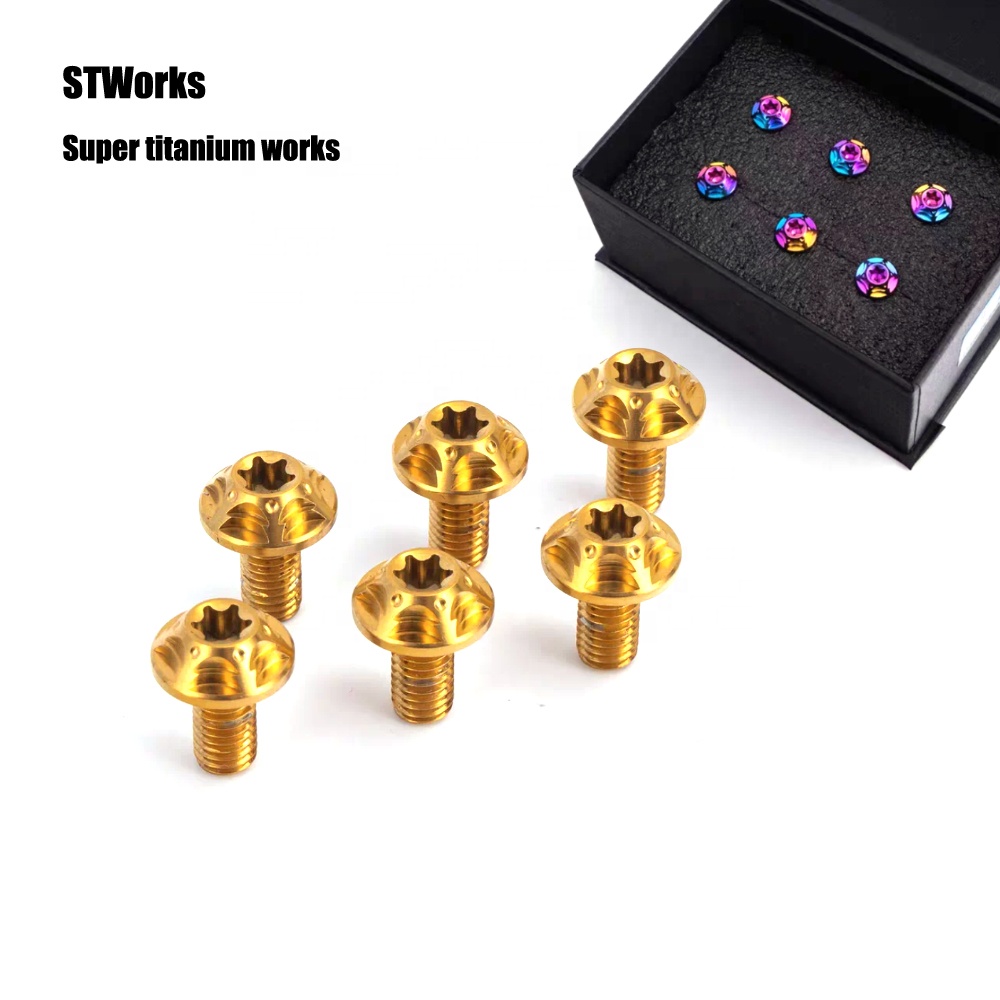
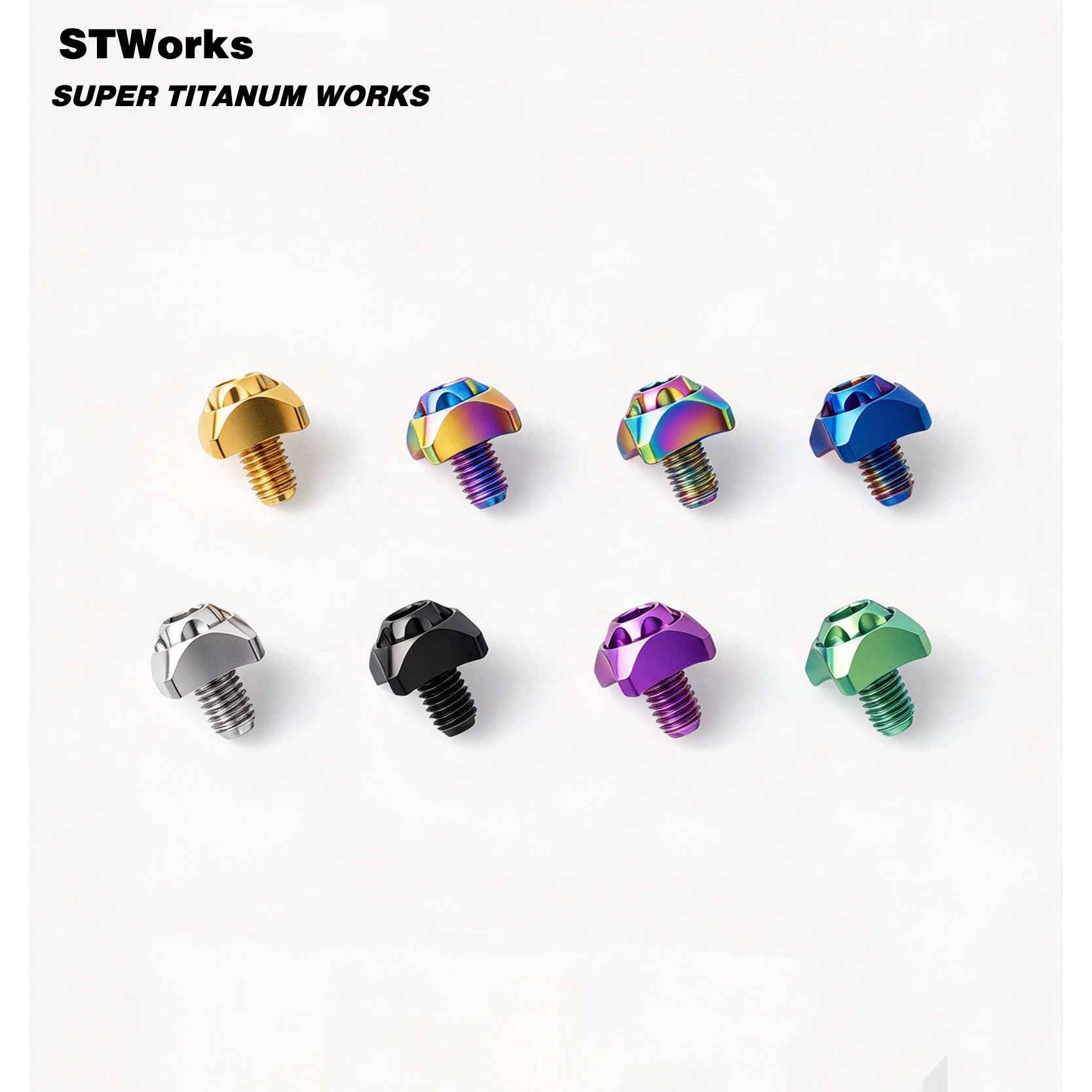
While traditional electrochemical anodizing creates vibrant interference colors (gold, purple, cyan, rainbow) without dyes, the next procurement cycle focuses on functional Diamond-Like Carbon (DLC) and Titanium Carbo-Nitride (TiCN) coatings. These physical vapor deposition treatments elevate surface hardness above 2500 HV, entirely mitigating thread galling risks.
Why Tier-1 Brands Source from Velnora in China's Titanium Valley
Situated in the heart of the Precision Manufacturing Park in Jinhe Industrial Park, Baoji, Shaanxi, Velnora leverages China's most dense cluster of titanium smelting, forging, and metrology infrastructure.
Baoji Raw Material Proximity
Being situated in Titanium Valley eliminates upstream transit delays. We source premium Ti-6Al-4V sponge and vacuum-melted bars directly from certified national foundries, providing complete Mill Test Certificates (MTC) according to EN 10204 3.1 with chemical composition analysis on every melt.
Video-Verified Shop Floor Transparency
We solve the traditional cross-border blind spot. Buyers receive comprehensive high-definition video captures of their initial tool setup, coordinate measuring machine (CMM) multi-point probes, and final thread profile tests prior to batch packaging.
Integrated Secondary Finishing
In-house operations include vibratory barrel tumbling, fine micro-bead sandblasting, high-precision wire EDM, fiber laser mark indexing, and controlled-voltage spectrum anodizing—keeping cycle times short and eliminating multi-vendor subcontract risks.
Procurement & Technical Engineering FAQ
Addressing the core metallurgical, mechanical, and transactional queries encountered by sourcing managers and design engineers.
How does Velnora prevent galling (cold welding) during titanium fastener installation?
Can Grade 5 titanium directly substitute 10.9 or 12.9 high-tensile steel bolts in critical suspension joints?
What torque values should be applied to Grade 5 titanium fasteners compared to standard steel?
What international manufacturing standards and CAD formats are accepted?
How durable is the titanium anodized color spectrum in outdoor and marine environments?
What are the standard Minimum Order Quantities (MOQ) and production lead times?
Accelerate Your Titanium Component Sourcing
Send our engineering desk your technical parameters (nominal diameter, pitch, length, grade, tolerance, and finish) or upload your STEP drawing. Our machinists in Baoji will evaluate manufacturability and furnish a formal quotation within 4 hours.
Get Catalog