Engineered Titanium Components & Specialized Hardware
Manufactured alongside our high-performance titanium connecting rod batches using identical aerospace-grade Ti-6Al-4V (Grade 5) bar stock, wire EDM splitting, and optical tolerance certification.
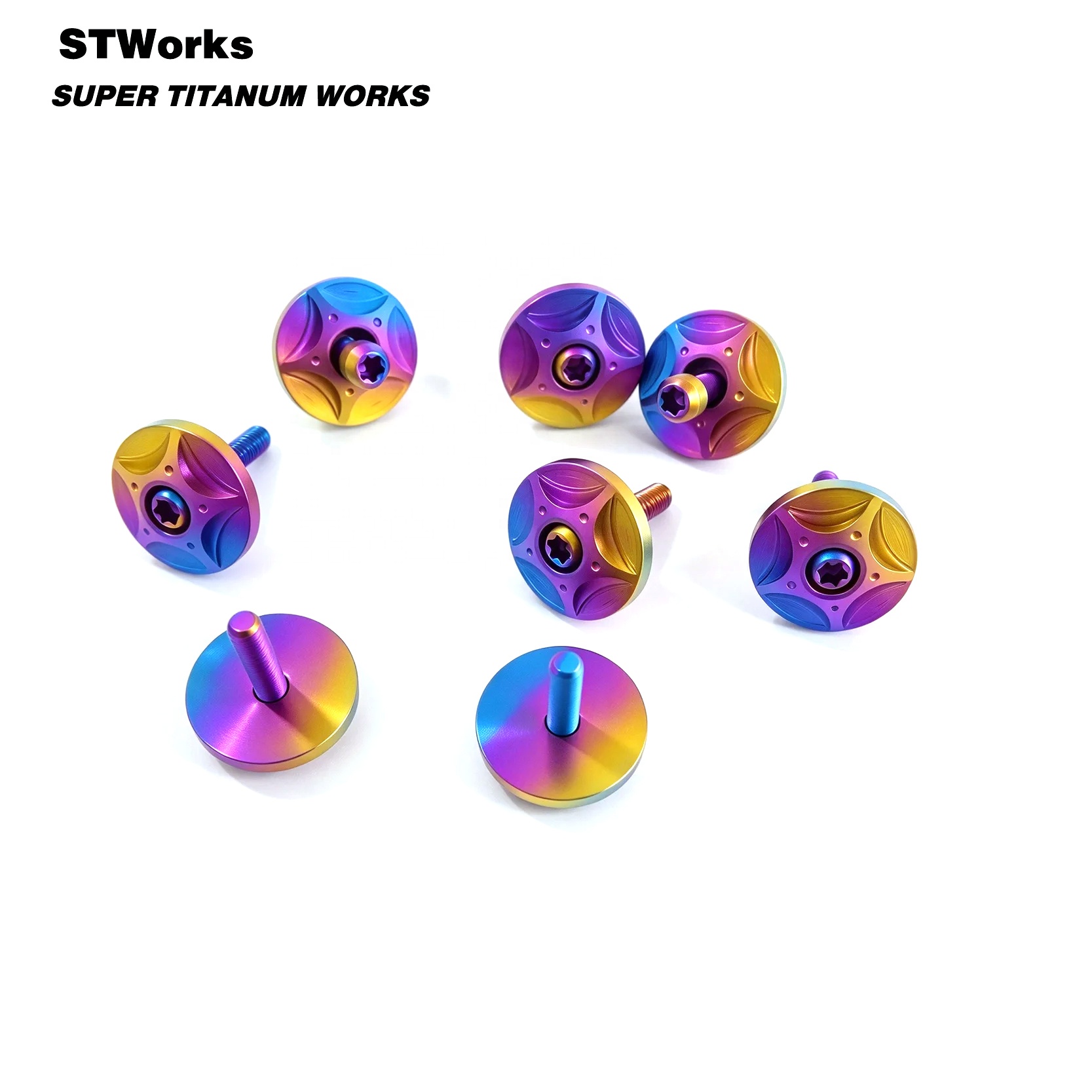
Factory Custom Ticat Ti Stem Top Cap Anodized M6 M6*30 Ti Bolt CNC Machined 90% Ti for MTB Road Bike Motorcycle Handlebar End
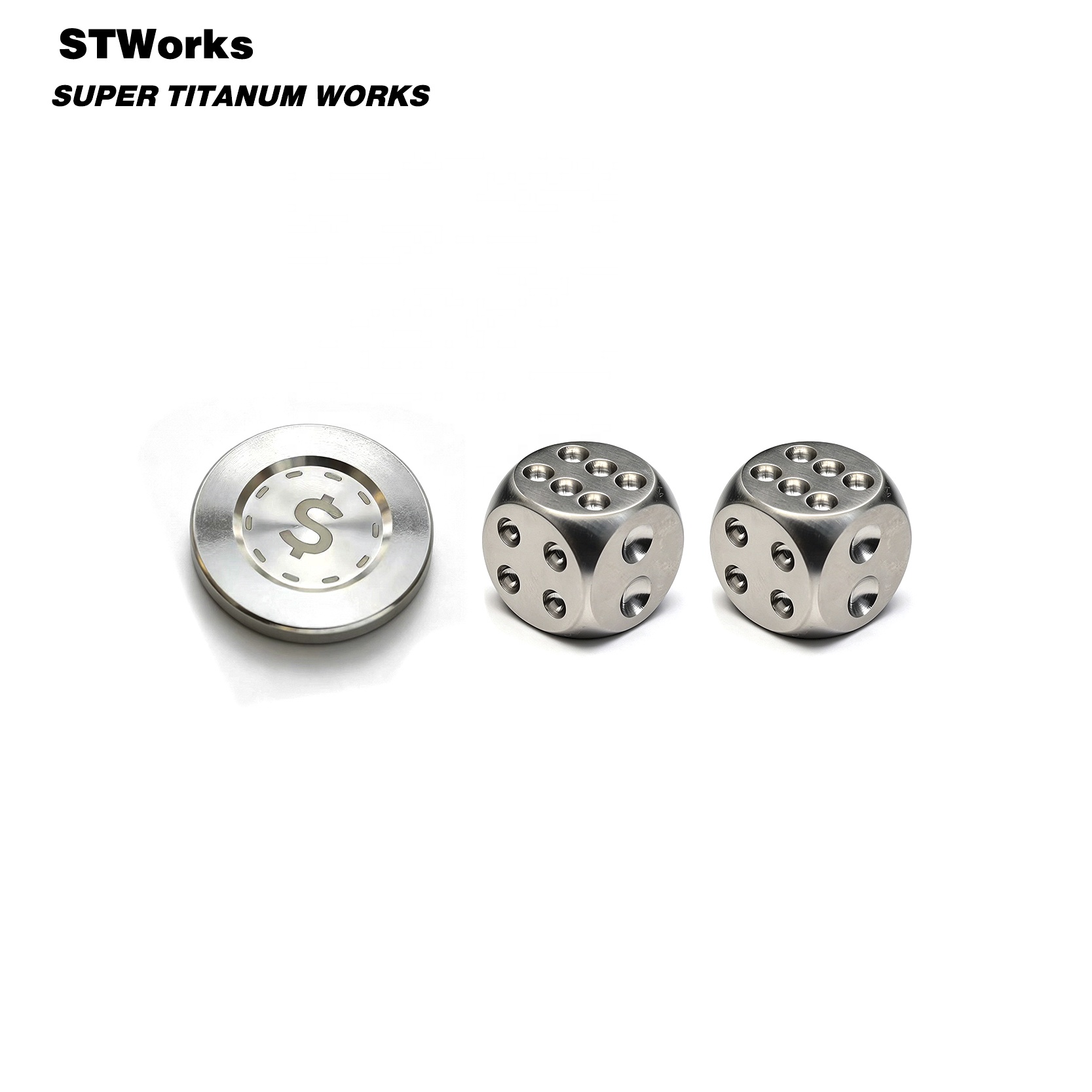
Custom-made Titanium Alloy EDC Coins Commemorative Coins and Titanium Alloy Dice for Stress Relief Physical and Mental Health
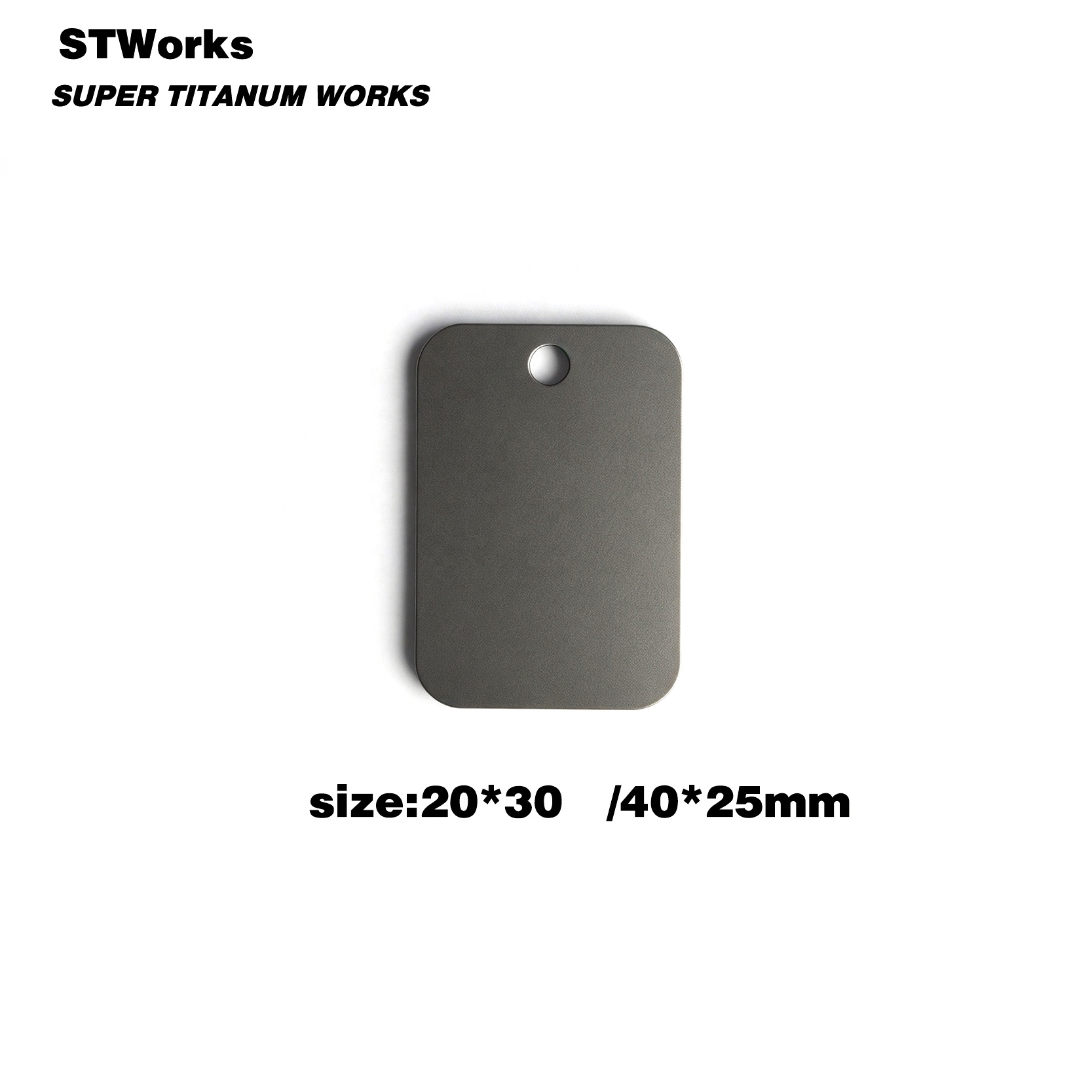
Custom Grade 5 Titanium Plate Tag 1.5mm/2mm Titanium Dog Tag Sandblasted Free Laser Engraved Logo Blank Titanium
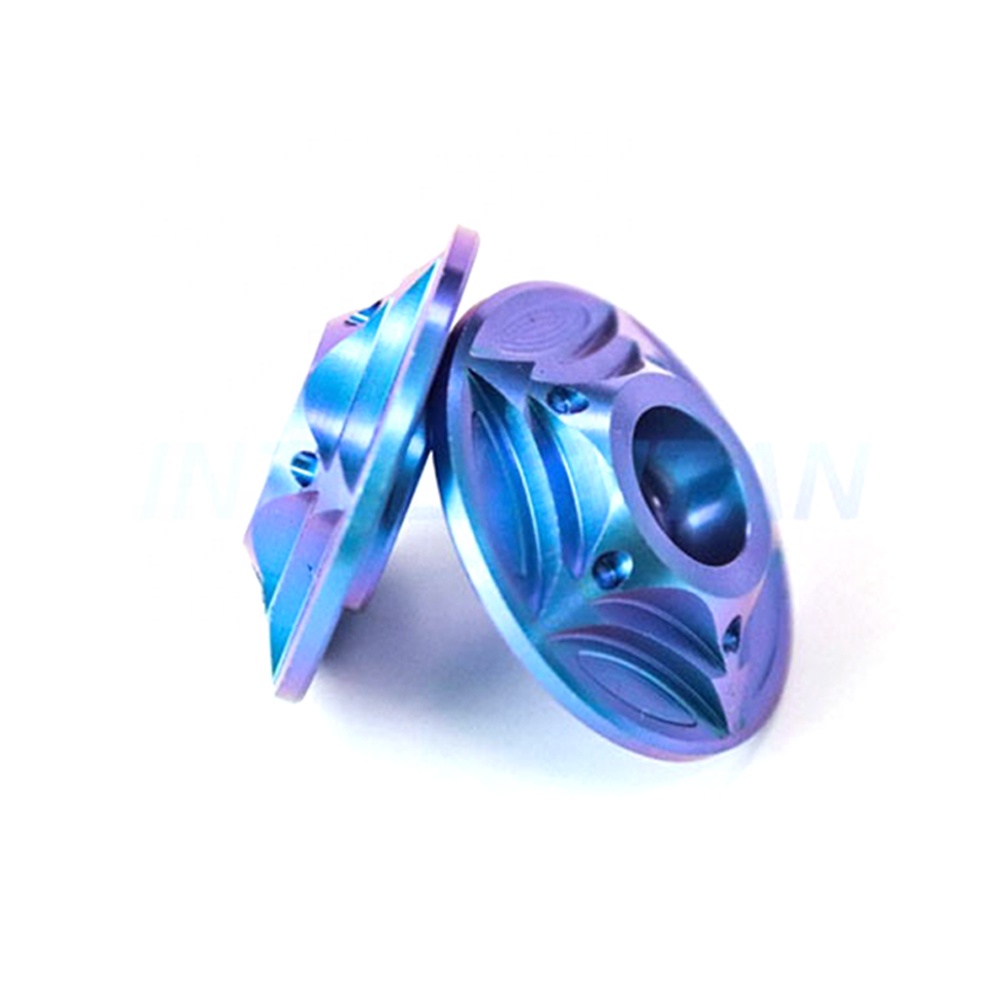
Customized Titanium Alloy Washers with PVD Coating M6 Handlebar End for Motorcycle Modification Headset Cap
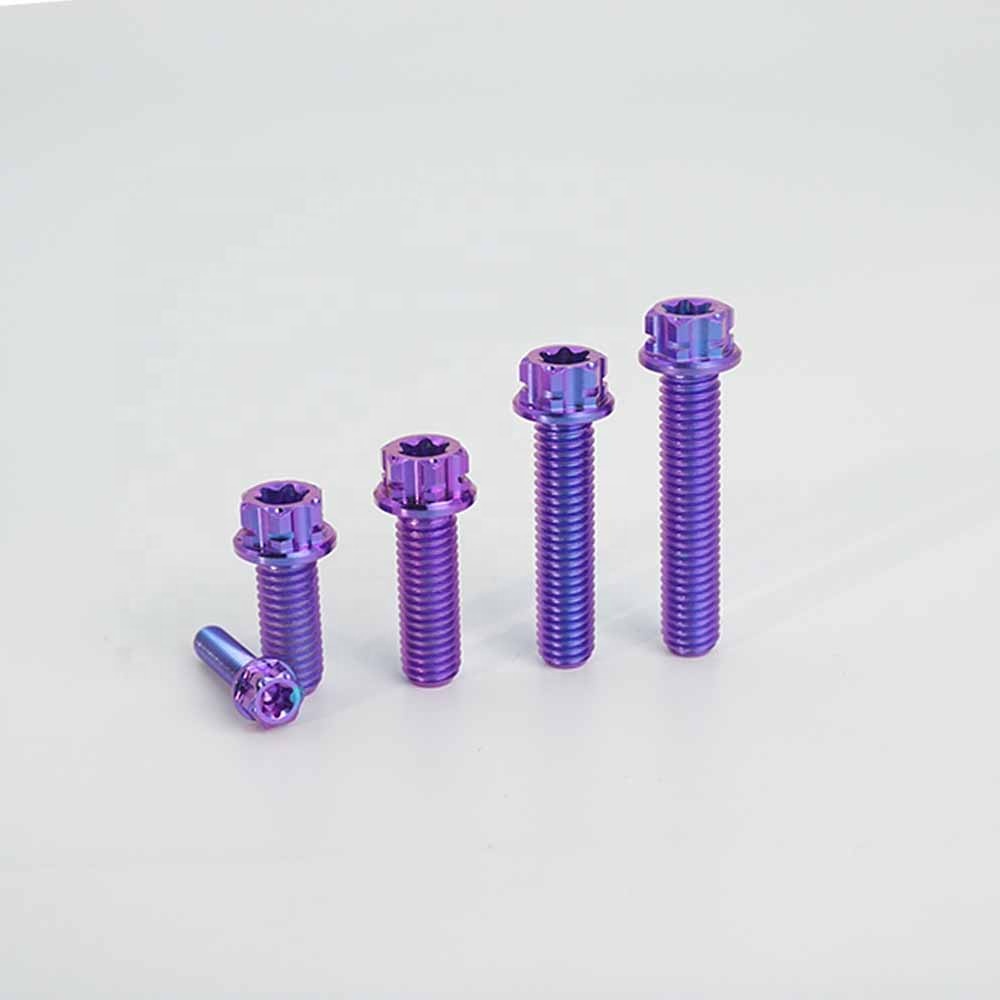
Gr5 Titanium Bolts M6x40 Titanium Bolts M6X10 Bicycle/Motorcycle Modification M8x30 Accessory Parts Torx Head Flange Bolts
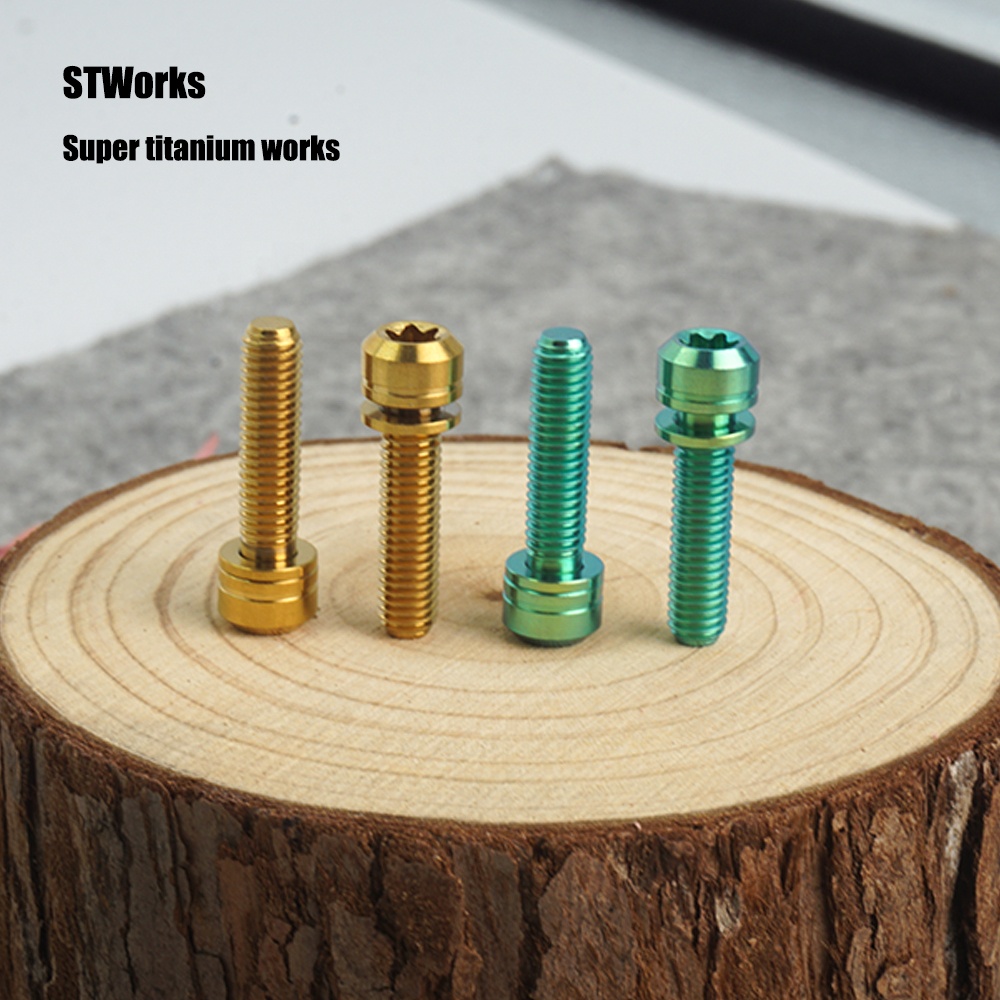
TC4 Titanium Ti Torx M5x16 /18/20/25mm Tapered Head Bolt with Washer Screw for Bicycle Stem Bolts
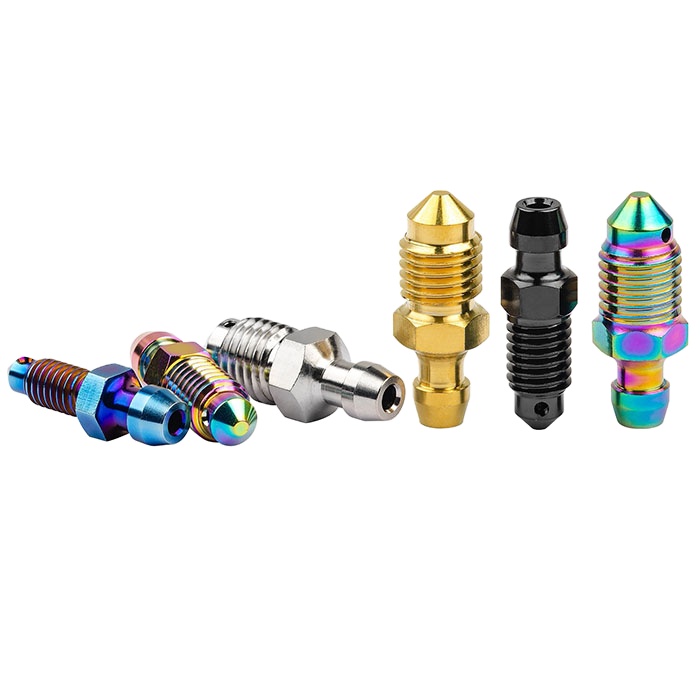
M10 Titanium GR5 Bolt Bleed Nipple Motorcycle Oil Drain Deflation Screws 89% Ti Content Customized Color for Outdoor Sport
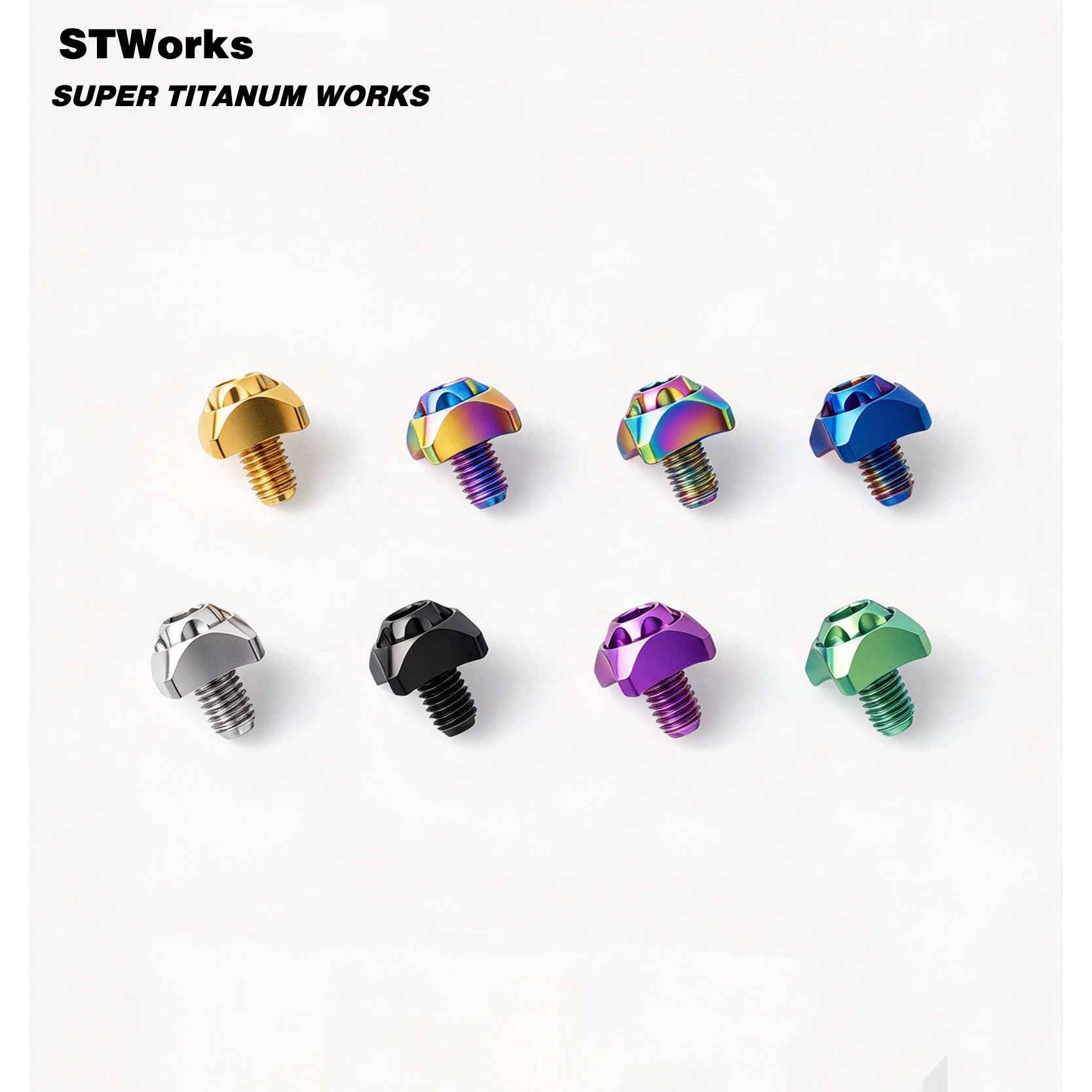
Titanium Screw & Shim Set for Shimano SRAM Front Derailleur Lightweight Bicycle Upgrade Parts
Kinematics of Reciprocating Inertia: Why Global Engine Builders Turn to China Titanium Rods
In high-output internal combustion engines, hypercar powertrains, and professional motorsport applications (Formula, GT3, Isle of Man TT), the connecting rod is subjected to the most violent alternating stresses in mechanical engineering. During every four-stroke cycle, the rod transitions from intense compressive loads under peak cylinder pressure (often exceeding 180 to 240 bar) to extreme tensile stretching at Top Dead Center (TDC) exhaust stroke.
Traditional 4340 forged chromoly or 300M nickel-alloy steels, while possessing respectable ultimate tensile strength, introduce significant reciprocating mass ($m_{rec}$). This reciprocating mass creates parasitic inertial forces that scale exponentially with rotational velocity. By partnering directly with specialized China titanium connecting rod manufacturers in Baoji—known globally as China's Titanium Valley—OEM powertrain developers and aftermarket tuning enterprises replace heavy steel rods with aerospace-grade Ti-6Al-4V (Grade 5, TC4) and Ti-6242 forgings, securing an immediate 38% to 44% mass reduction.
At Velnora Titanium Industry Co., Ltd., based in Baoji's Jinhe Industrial Park, our machining center brings over 13 years of precision CNC turning, multi-axis milling, and high-frequency wire EDM capabilities to custom connecting rod manufacturing. By integrating rigorous metallurgical testing with DIN, ANSI, and JIS industrial standards, we bridge the gap between boutique motorsport engineering and high-volume, cost-effective wholesale production.
Inertial Force Calculation at TDC
Secondary unbalance forces acting upon connecting rod big-end journals scale quadratically with engine angular velocity ($\omega$):
- mrec (Reciprocating Mass)Piston + Wrist Pin + Small End (g)
- r (Crankshaft Throw Radius)Half of Total Stroke Length (m)
- ω (Angular Velocity)2π · (RPM / 60) [rad/s]
- λ (Rod-to-Stroke Ratio)r / Lrod (Typically 0.28 – 0.32)
- Titanium Mass Delta-42% Inertia Force at Peak RPM
Beam Architecture Recommendation Guide for B2B Procurements
Selecting the optimal beam cross-section requires balancing buckling resistance under boost pressure against rotating windage loss and rotational mass. Below is our engineering selection matrix for bespoke OEM and racing projects.
H-Beam Titanium Rods
The premier configuration for forced-induction turbocharged and supercharged builds operating under extreme cylinder pressures where compressive column-buckling resistance along the major thrust axis is critical.
- Recommended ForTurbocharged Drag, Time Attack, Hillclimb
- Max Boost Pressure> 3.5 bar (50+ PSI)
- Material StandardTi-6Al-4V Grade 5 / TC4 Vacuum Forged
- Small-End BushingAMPCO 18/45 Beryllium-Free Copper
- Typical Weight Range380g – 460g (4-Cylinder Specs)
I-Beam Ultra-Lightweight
Optimized via extensive Finite Element Analysis (FEA) to minimize side-wall surface area and crankcase windage resistance. Ideal for naturally aspirated high-revving platforms where tensile loads dominate.
- Recommended ForSuperbike 1000cc, NA GT3, 12,000+ RPM
- Max Tensile Stress> 980 MPa at Peak Excursion
- Aero Windage ProfileKnife-Edged Web & Tapered Flange
- Fastener StandardCustom Ti-6242 or MP35N Specialty Bolts
- Typical Weight Range290g – 360g (600cc–1000cc Class)
X-Beam & Boxed Hybrid
A bespoke structural architecture incorporating cross-ribbed internal webs to resist torsional twisting and lateral whip during high-angle crankshaft throw transitions. Engineered for endurance applications.
- Recommended For24h Le Mans Prototypes, Baja Desert Trophy
- Fatigue Life Rating107 Cycles at 620 MPa Reversible Stress
- Surface HardeningShot Peened (0.012–0.016A Almen) + DLC
- Oil DeliveryGundrilled Pin Oiling Jet Channel
- Tolerance ClassGram-Matched within ± 0.5 Grams
Ti-6Al-4V TC4 vs. 4340 Steel, 300M & 7075-T6 Aluminum
Direct metallurgical comparison derived from certified heat-treatment batch reports. Understanding these fundamental mechanical boundaries enables accurate safety factor calculations for engine design.
| Mechanical Property / Characteristic | Velnora Grade 5 (Ti-6Al-4V / TC4) | 4340 Chromoly Steel (Forged) | 300M High-Strength Steel | 7075-T6 Forged Aluminum |
|---|---|---|---|---|
| Density (ρ) [g/cm³] | 4.43 (44% Lighter than Steel) | 7.85 | 7.84 | 2.81 |
| Yield Strength (0.2% Offset) [MPa] | 895 – 1020 (STA Processed) | 860 – 980 | 1520 – 1650 | 503 |
| Ultimate Tensile Strength (σuts) [MPa] | 960 – 1100 | 1050 – 1200 | 1860 – 2050 | 572 |
| Modulus of Elasticity (E) [GPa] | 114 (Superior Damping, Flexible) | 210 | 205 | 71.7 |
| Fatigue Limit (σf @ 107 Cycles) [MPa] | 510 – 580 (True Fatigue Limit) | 480 – 540 | 680 – 720 | No Infinite Life (<160) |
| Thermal Expansion Coeff. [10-6/K] | 8.6 (Matches Cylinder Bore Growth) | 12.3 | 11.7 | 23.4 (Excessive Cold Slap) |
| Corrosion / Oxidation Susceptibility | Immune to Nitromethane & Methanol | Prone to Acid Pitting | Prone to Acid Pitting | Severe Galvanic Attack |
| Primary Sourcing Vulnerability | Requires Precision DLC Galling Barrier | Rotational Weight Penalties | High Raw Material Surcharge | Short Life Cycle (Replace Often) |
Critical Surface Engineering: Mitigating Titanium Galling & Notch Sensitivity
Titanium's passive oxide layer ($TiO_2$), while offering supreme environmental corrosion resistance, exhibits poor tribological sliding behavior against steel and bearing babbit materials. When untreated titanium thrust faces contact steel crankshaft counterweights under axial thrust loading, severe micro-welding and adhesive wear (galling) will occur within operating hours. To eliminate this operational failure mode, Velnora deploys a four-tiered surface integrity protocol:
Executes AMS 2430 / MIL-S-13165 specifications utilizing ceramic beads (Zirshot) to impart a compressive residual stress layer 0.25mm deep, preventing microscopic fatigue notch crack propagation.
Deposits a 2.0–3.5 μm amorphous carbon matrix (a-C:H) possessing a surface Vickers hardness exceeding 2500–3000 HV, reducing the dry friction coefficient against steel thrust faces to < 0.08.
Precision-interference-fitted AMPCO 18 or AMPCO 45 aluminum-bronze bushings deployed at the wrist pin journal, featuring forced pressure oil reservoirs to prevent pin galling during cold starts.
Thread roots on integrated connecting rod cap fasteners are rolled post-heat treatment rather than cut, ensuring uninterrupted grain flow and an 8-fold increase in cyclical thread-root shear fatigue life.
Future Procurement Trends: Titanium Rods (2025–2035 Horizon)
Strategic insights for tier-1 distributors, motorsport race teams, and specialized aftermarket engine rebuilding brands planning long-term procurement roadmaps.
E-Fuel & Hybrid High-RPM ICE Integration
As automotive OEMs transition to carbon-neutral synthetic e-fuels and hybrid hypercar architectures, combustion engines are downsized to 1.6L–3.0L configurations operating at sustained 9,500–12,000 RPM. Titanium connecting rods are migrating from niche exotic status to essential components required to reduce rotating inertia and pass strict transient throttle response emissions regulations.
Near-Net Isothermal Vacuum Forging
Historically, titanium rod production suffered from massive material wastage (scrap rates exceeding 70% from billet turning). Leading Baoji manufacturers are standardizing isothermal closed-die vacuum forging, where heated molybdenum dies press blanks at precise superplastic temperatures. This preserves radial microcrystalline grain flow around the big-end bore while slashing wholesale machining time by 40%.
Hybrid DED Additive Preforms + 5-Axis CNC
For rapid prototype validation and low-volume homologation runs (under 50 sets), Directed Energy Deposition (DED) titanium preforms with internal conformal cooling oil galleries are emerging. These additive blanks are then precision finish-machined on multi-axis Japanese DMG Mori centers, achieving lead times of under 14 business days from 3D CAD sign-off.
Digital Ultrasonic NDT & Traceability Passports
Tier-1 procurement contracts increasingly mandate digital traceability. Velnora accompanies every wholesale export container with ultrasonic immersion scan records (AMS 2631 Class AA) detecting void inclusions down to 0.4mm, along with individual QR-laser-etched spectral chemical certificates and big-end out-of-roundness CMM documentation.
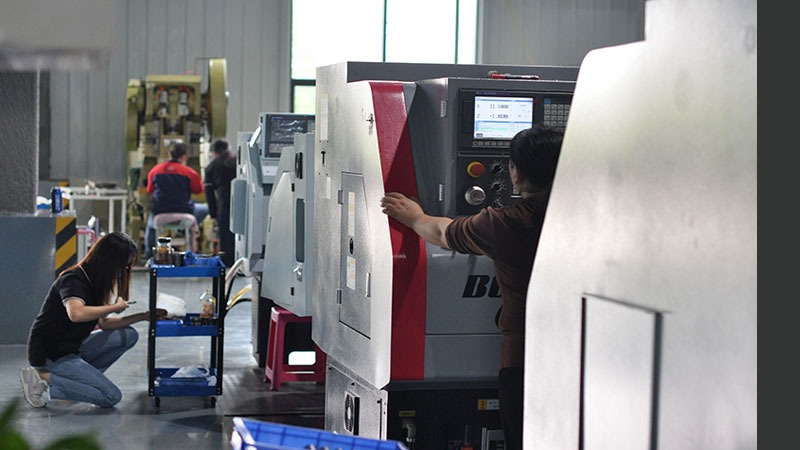
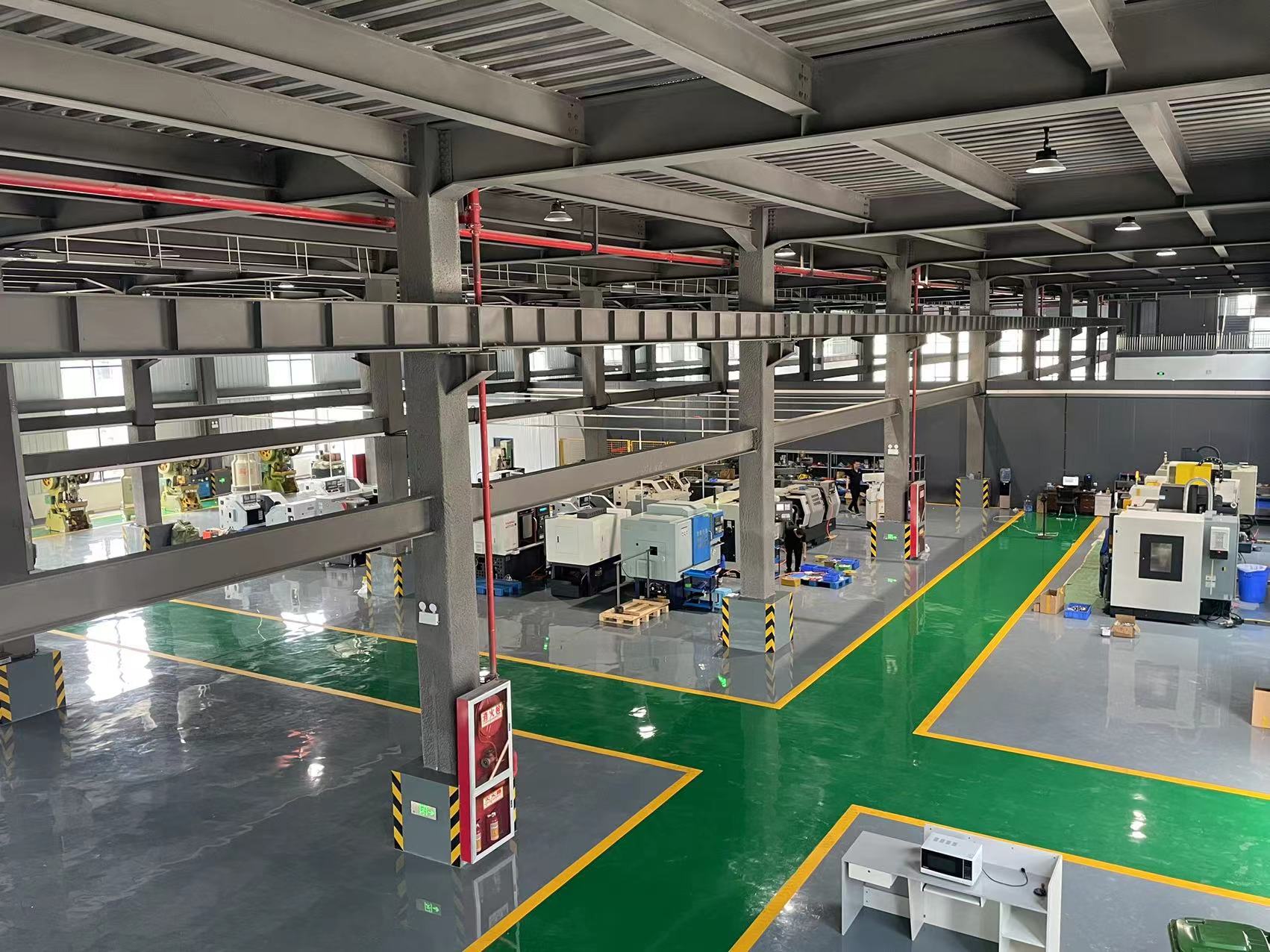
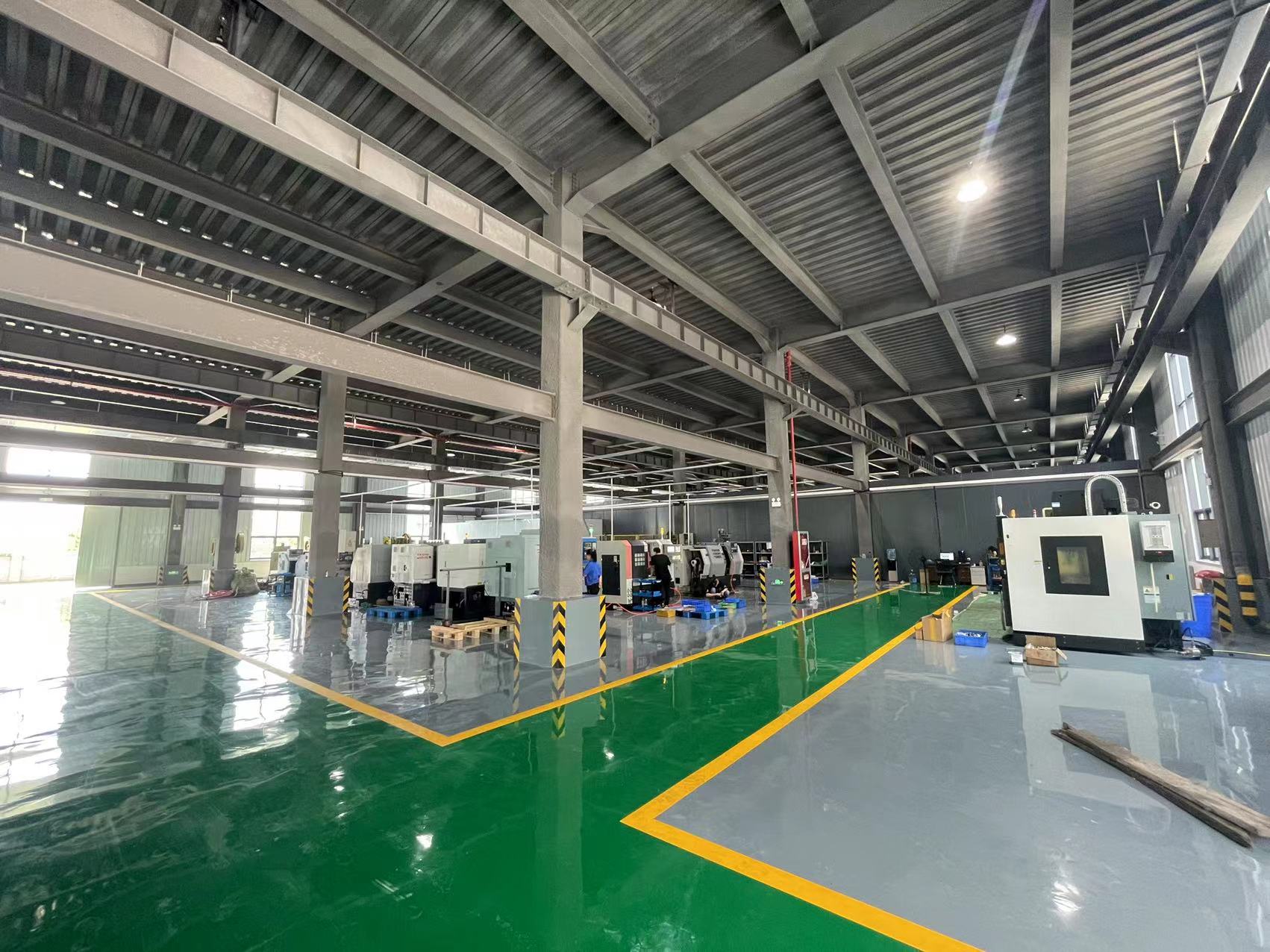
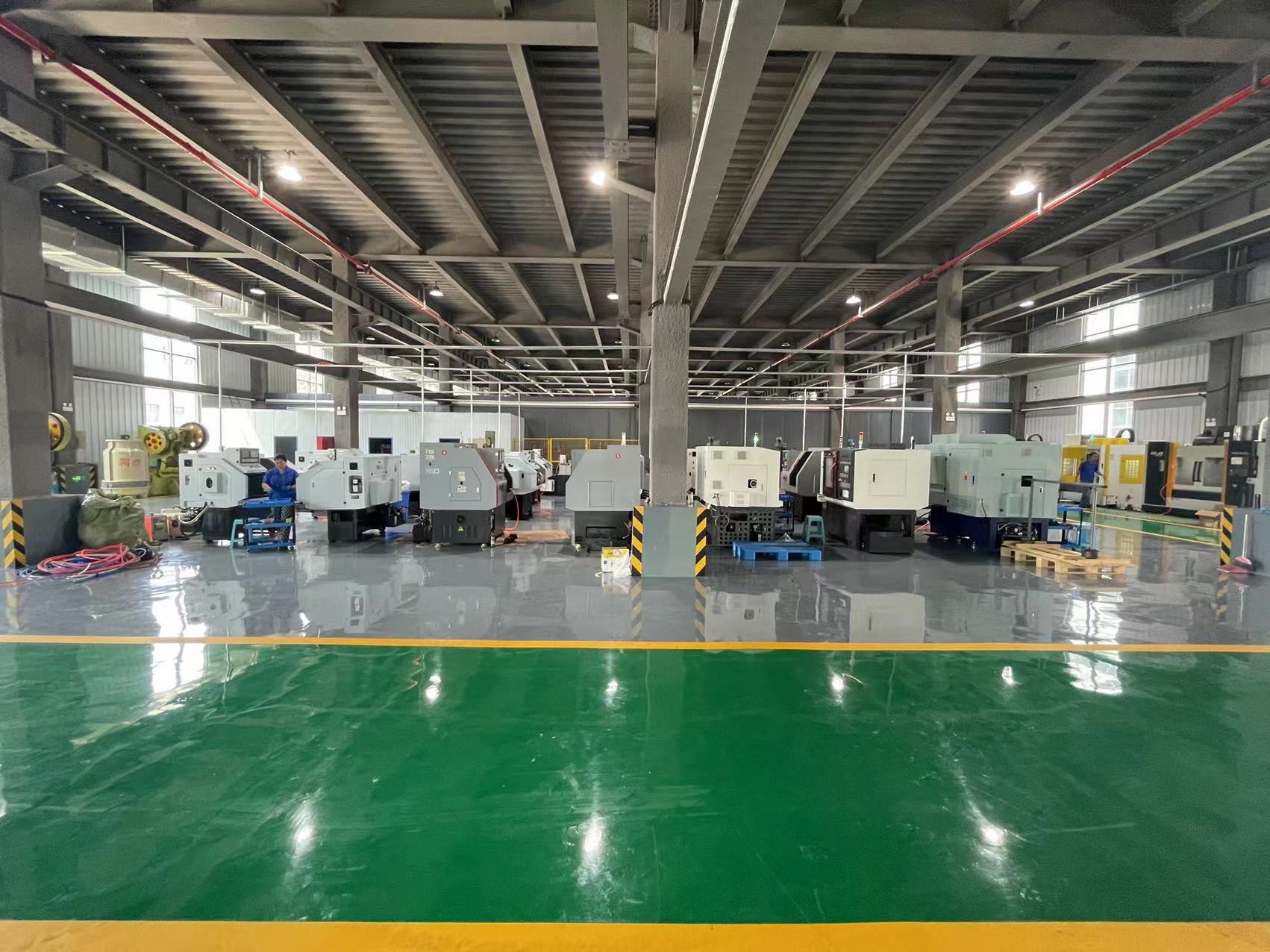
Velnora Titanium Industry: Baoji Factory Infrastructure & Quality Metrics
Located in the heart of Baoji's Precision Manufacturing Park, our specialized facility operates direct CNC machining, EDM wire profiling, and automated thread rolling lines with real-time video inspection updates.
Specialized Small-Team Focus: Machinists Handling Your Job From CAM to Crating
Unlike sprawling generalist foundries where connecting rod orders get lost in commercial bureaucracy, Velnora Titanium maintains an agile, highly specialized engineering team of 11–50 precision machinists, metallurgists, and QC inspectors. When you submit your STEP, IGES, or 2D PDF drawing, the machinist who optimizes your toolpaths in Mastercam is the same specialist overseeing your CNC setup and honing the big-end split surfaces.
Every production batch undergoes continuous in-situ video and photographic documentation. B2B buyers receive live WhatsApp or email footage showing rough bar machining, stress-relief vacuum annealing at 700°C, precision deep-hole gundrilling for wrist pin lubrication, and final balance gram-matching on analytical scales.
Frequently Asked Questions: Sourcing Titanium Connecting Rods
Authoritative technical solutions to the engineering, tolerance, metallurgy, and shipping inquiries most often presented by global purchasing directors.
Which titanium alloys do you recommend for high-stress connecting rods?
For roughly 90% of automotive, marine, and powersports racing builds, Solution Treated and Aged (STA) Grade 5 titanium (Ti-6Al-4V, Chinese designation TC4) provides the premier balance of tensile yield strength (> 920 MPa), fatigue resistance, and raw material availability in Baoji. For extreme professional motorsport applications operating at sustained cylinder head temperatures above 420°C (such as turbocharged drag racing or continuous Le Mans endurance), we machine proprietary near-alpha Ti-6242 (Ti-6Al-2Sn-4Zr-2Mo) or Ti-6Al-2Sn-4Zr-6Mo, which exhibit superior creep resistance and thermal fatigue thresholds.
Can a titanium connecting rod directly replace a forged steel rod without redesign?
No; a direct 1-to-1 dimensional substitution is dangerous due to differences in Modulus of Elasticity (Young's Modulus). Titanium exhibits an elasticity modulus of approximately 114 GPa compared to 210 GPa for 4340 steel, meaning titanium is roughly twice as flexible under equivalent loading. To preserve identical dimensional rigidity and prevent big-end bore out-of-round deflection during the exhaust stroke, the titanium rod beam thickness, cap cross-section, and transition fillets must be thickened by 15% to 25%. Even with this enlarged physical envelope, the finished titanium rod remains 38% to 42% lighter than its steel counterpart.
How does Velnora prevent rod-to-journal galling and thrust-face seizing?
We deploy a multi-barrier defense. First, big-end thrust side faces are coated with Physical Vapor Deposition (PVD) Diamond-Like Carbon (DLC) or deep gas-nitrided to achieve a micro-hardness over 2800 HV. Second, wrist pin small-end bores receive a precision shrink-fit AMPCO 18/45 bronze bushing containing micro-machined radial oil reservoirs. Third, big-end bearing saddles are machined to exact Tri-Metal bearing press tolerances with proprietary dowel pins or precision serrated split teeth to eliminate bearing shell spinning under high-RPM crankshaft harmonic whip.
What bolt fastening system is used for the connecting rod cap?
Connecting rod caps are secured using custom high-tensile fasteners manufactured directly on our specialized multi-axis CNC machines. We produce fasteners in either Custom Age 625, MP35N superalloy, or high-modulus forged titanium Grade 5 with precision rolled threads. For torque specification, we mandate the bolt-stretch method using a digital dial stretch gauge rather than conventional torque wrenches, targeting an exact elongation between 0.0055" and 0.0062" (0.14mm – 0.16mm) to ensure precise bolt clamping preload without thread fatigue yielding.
What are your standard machining tolerances and weight-matching limits?
Our standard wholesale manufacturing tolerances are among the tightest in the motorsport industry: center-to-center length tolerance is maintained within ±0.010 mm (±0.0004"), big-end and small-end bore roundness within ±0.002 mm (±0.00008"), and cap-to-rod alignment within 0.003 mm. Every complete engine set is weighed on calibrated analytical scales and gram-matched across big-end rotating and small-end reciprocating masses to within ±0.5 grams per set (often held within ±0.2g upon client specification).
What is the Minimum Order Quantity (MOQ) and sample lead time?
For custom engineering prototypes and bespoke racing builds, our prototype MOQ begins at just 1 engine set (e.g., 4, 6, 8, or 12 rods). Prototyping lead times typically require 2 to 3 weeks following 3D CAD drawing confirmation. For commercial wholesale volume runs (100 to 5,000+ pieces), production cycles range between 4 and 6 weeks, supported by staggered container freight or rapid air delivery via DHL, FedEx, or UPS air freight.
What quality documentation is provided with wholesale export shipments?
Every commercial delivery includes an exhaustive Quality Assurance Dossier: (1) Certified Mill Test Certificate (EN 10204 3.1) showing vacuum chemical spectroscopy and tensile test verification; (2) Ultrasonic Non-Destructive Testing (NDT) scan report to AMS 2631 standards; (3) Zeiss CMM multi-point coordinate dimensional inspection chart; (4) Total weight-matching variance log sheet; and (5) Video documentation archive covering the specific batch's machining run.
How does a client initiate an RFQ or custom drawing review?
Initiating a review is seamless: simply click our live consultation link below or submit your CAD models (STEP, IGES, DXF, or PDF format) directly to [email protected] along with your target bore sizes, stroke length, peak anticipated cylinder boost or rev range, and desired quantity. A senior precision machinist will review your design files and provide an engineering feedback report with wholesale quotation within 4 business hours.
Launch Your Custom Titanium Connecting Rod Project Today
Connect directly with our Baoji engineering floor. Whether you need a 4-rod bespoke racing sample or high-volume wholesale OEM engine production, our team guarantees rigorous tolerances, aerospace-grade certification, and competitive factory-direct pricing.