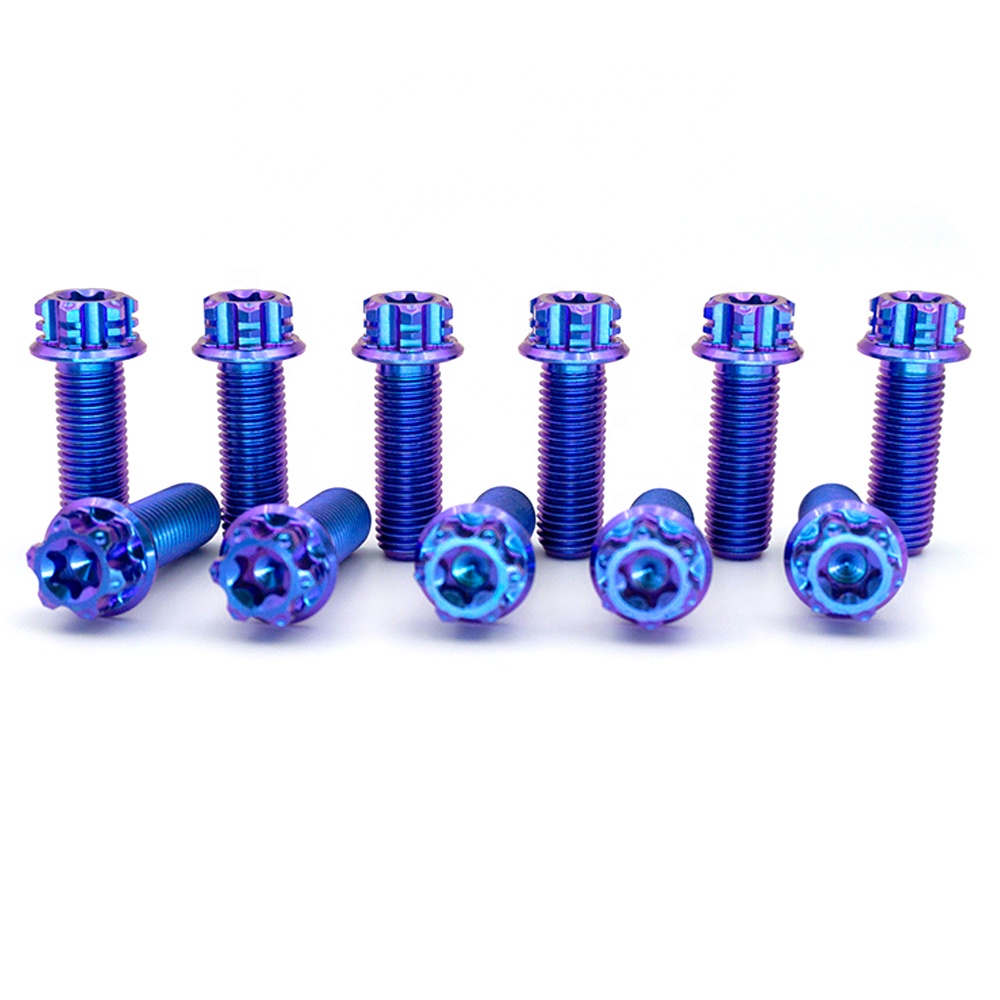
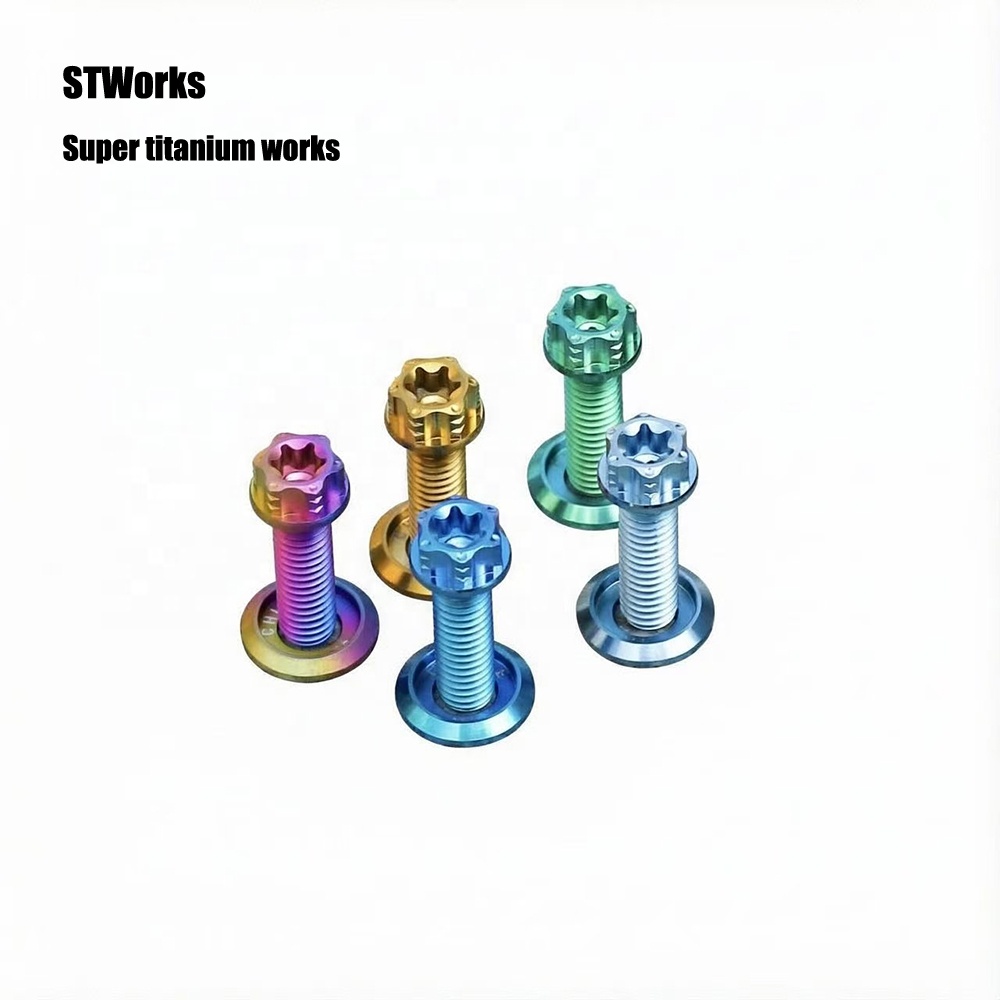
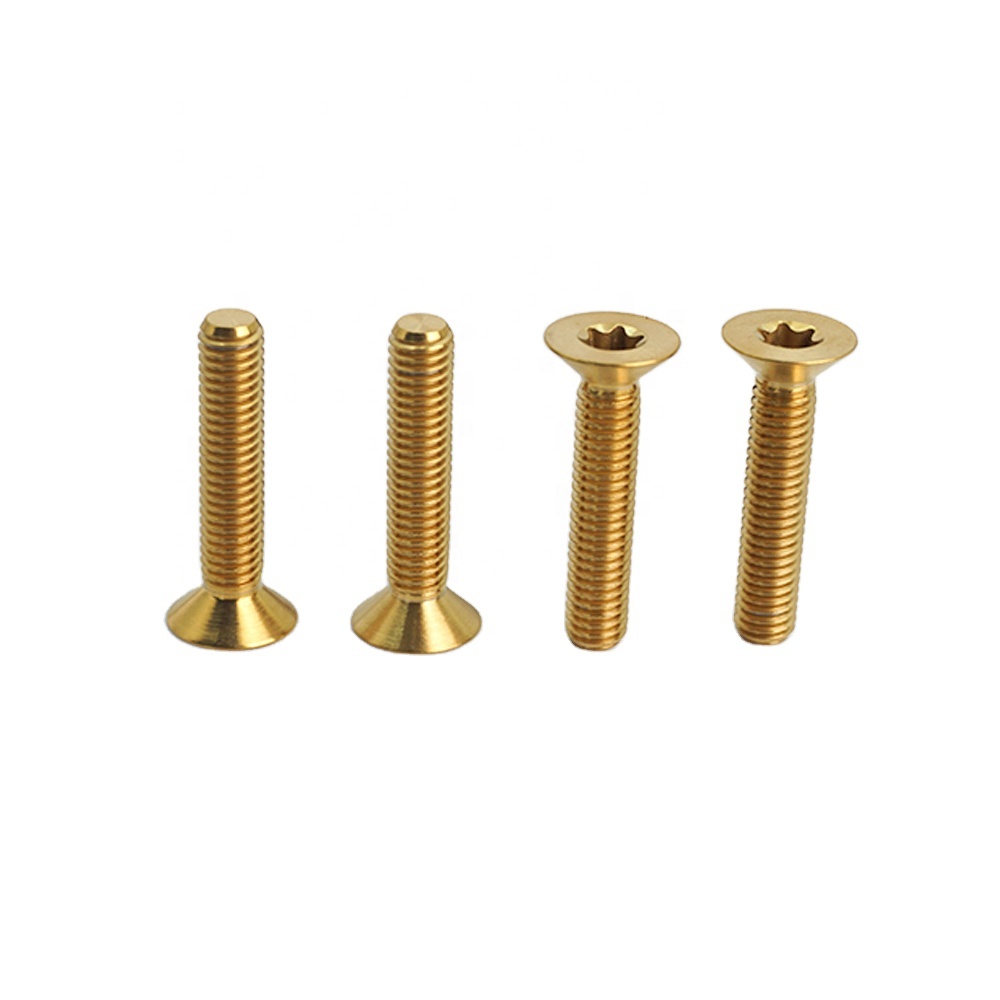
Every component is precision-turned from aerospace-certified Ti-6Al-4V Grade 5 titanium billet in Baoji, offering 44% mass reduction over steel, anti-galling thread options, and zero atmospheric pitting.
The Mechanics of High-Integrity Titanium Brake Pins
Brake pad retaining pins, caliper guide pins, and pad slide bolts represent safety-critical link points within performance hydraulic braking assemblies. Subjected to dynamic shear stresses, intense friction-induced thermal spikes exceeding 500°C, and continuous road salt exposure, traditional plated carbon steel or generic 304 stainless steel hardware exhibits severe degradation: galvanic seizure, binding, micro-pitting, and fatigue deformation.
By engineering brake hardware from aerospace-grade Ti-6Al-4V Grade 5 (ASTM B348 / AMS 4928), Velnora delivers an exceptional strength-to-weight ratio combined with natural biocompatibility and corrosion immunity. Titanium forms an instantaneous, passive titanium dioxide (TiO2) ceramic film that permanently prevents chloride-ion chemical attack, ensuring brake pads slide smoothly along the pin without sticking or cocking over years of endurance operation.
44% Unsprung Mass Reduction: Reduces wheel-assembly inertia for sharper suspension damping and road tracking.
Elimination of Pad Binding: Ultra-smooth centerless ground surface finish (Ra < 0.4 µm) ensures consistent brake pad retraction and release.
High Thermal Shock Stability: Resists micro-structural softening and tensile yield drop during intense track-day brake cycling.
Brake Hardware Engineering Benchmark
Why Tier-1 racing teams, motorcycle aftermarket builders, and high-performance bicycle OEMs are ditching steel pins in favor of CNC Ti-6Al-4V:
Future Procurement & Technological Trends in Titanium Hardware
How evolving automotive electrification, high-power e-mobility, and intelligent supply chain integration are redefining titanium brake component procurement worldwide.
E-Mobility Weight Optimization
With EV and performance e-bike battery packs adding substantial static mass, Tier-1 brake manufacturers are targeting the unsprung wheel assemblies. Transitioning from steel guide pins to Gr5 titanium yields immediate rotational inertia benefits, improving regenerative braking sensor accuracy and reducing pad squeal.
PVD DLC Anti-Friction Coatings
Future procurement specifications increasingly demand Physical Vapor Deposition (PVD) Diamond-Like Carbon (DLC) coatings over Grade 5 substrates. This micro-thin (1-3 µm) barrier reduces the coefficient of friction to μ < 0.1, eliminating stick-slip friction and pad drag without relying on messy brake grease.
Full Traceability & Digital QA
Global importers are mandating EN 10204 3.1 chemical verification certificates and automated optical dimension verification. B2B buyers now refuse undocumented scrap-melt titanium, requiring vacuum arc remelted (VAR) ingots traceable to aerospace mill heat batches to avert disastrous track failures.
Swiss CNC Multi-Axis Precision
Traditional multi-setup manufacturing is being superseded by single-pass Swiss-type CNC automatic lathes equipped with sub-spindles and live tooling. This ensures pin shaft concentricity, thread runout within ±0.005mm, and safety split-pin cross-holes drilled in one continuous cycle without human repositioning errors.
Factory Direct Authority
Engineered in Baoji: China's Premier Titanium Cluster
Founded in 2013 in the East Zone of the Precision Manufacturing Park, Jinhe Industrial Park, Velnora Titanium Industry Co., Ltd. combines regional raw material mastery with advanced Swiss machining infrastructure.
13+
Years Manufacturing Experience
1,000+
Global B2B Importers Served
≤ 4h
Average Drawing Review SLA
95.7%
On-Time Global Delivery Rate
Baoji Raw Material Hub
Direct proximity to China's primary sponge titanium refineries ensures 100% genuine Grade 5 Ti-6Al-4V material stock with certified chemical and mechanical testing data sheets.
Real-Time Production Video
We dispel offshore sourcing opacity. Over 938 production inspection videos have been shared directly with clients, validating thread gauges, optical comparator reports, and surface finishes before dispatch.
Multi-Standard Manufacturing
Complete machining compliance across DIN, ISO, ANSI/ASME, and JIS fastener criteria, alongside custom precision fabrication directly from your 2D PDF or 3D STEP/IGES engineering files.
From Certified Billet to Delivered Hardware in Six Steps
Our structured production workflow guarantees metallurgical purity, geometric repeatability, and traceable logistics for every export order.
01
Design & DFM Review
Our engineering team analyzes your STEP/CAD drawing for tool access, stress concentration radius, and thread clearance to optimize CNC tool paths.
02
Spectrometric Validation
Spectroscopic chemical assay verifies aluminum (5.5-6.75%) and vanadium (3.5-4.5%) alloy percentages before centerless bar peeling begins.
03
Swiss CNC Turning & Rolling
High-speed turning creates micro-concentric pin shanks, while cold thread-rolling preserves grain boundary flow lines for superior shear fatigue resistance.
04
Micro-Finishing & Coating
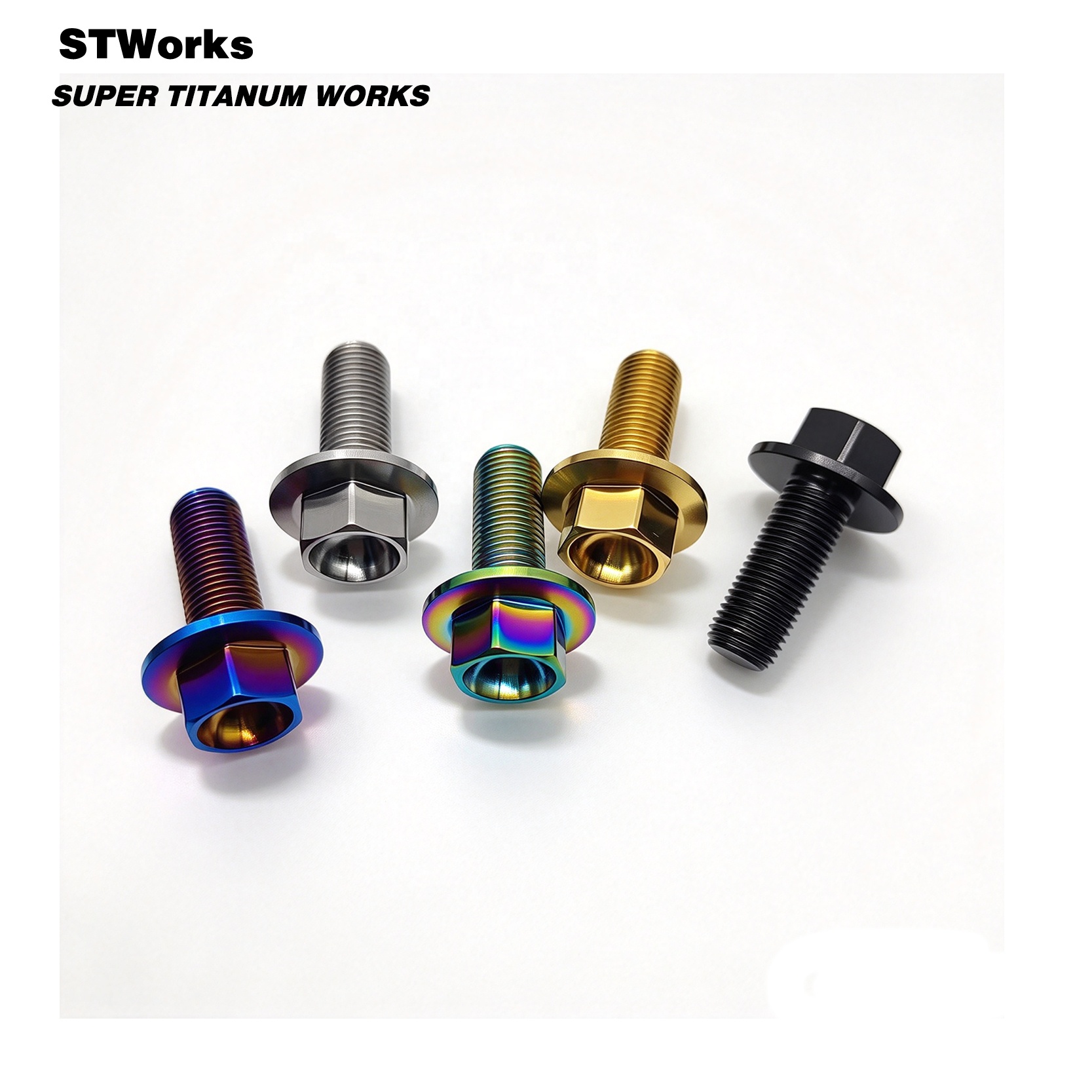
Automated ultrasonic degreasing followed by electropolishing, multi-stage anodization, or PVD vacuum chamber deposition (DLC, Gold TiN, Burnt Rainbow).
05
100% Gauge & Optical CMM
Coordinate measuring machines (CMM) and digital profile projectors check shank diameter runout (±0.005mm) and pitch diameter before packaging.
06
VCI Packaging & Global Air
Hardware is packed in vapor corrosion-inhibiting blister packs and reinforced export cartons, supported by door-to-door DHL/FedEx Express and ocean logistics.
Why is Ti-6Al-4V Grade 5 specified over commercially pure Grade 2 for brake pins?
Grade 2 commercially pure titanium possesses a minimum tensile strength of roughly 345 MPa, which is inadequate for the dynamic shear loads imposed during aggressive hydraulic caliper actuation. Grade 5 (Ti-6Al-4V / TC4) is an alpha-beta alloy heat-treated to achieve tensile ratings ≥ 895-960 MPa with a yield strength ≥ 828 MPa, matching the structural integrity of high-tensile alloy steel while reducing component mass by 44%.
How does Velnora prevent thread galling on titanium brake hardware?
Titanium has a known propensity toward micro-welding (galling) under high thread friction. We counter this through three engineering safeguards: (1) cold thread rolling rather than single-point cutting to generate work-hardened, mirror-smooth thread roots; (2) optional PVD DLC or physical vapor deposition coatings to provide solid boundary lubrication; and (3) supplying custom assembly anti-seize pastes (copper or nickel-based) with precise torque correction guidelines.
What tolerances can your Swiss CNC machining centers maintain on pin diameters?
For sliding caliper guide shafts and pad hanger pins where loose fitment causes pad rattle and tight fitment causes binding, we routinely maintain shaft diameters within ISO h6 and g6 tolerance bands (±0.004mm to ±0.008mm). Pin surface roughness is centerless-ground down to Ra 0.2–0.4 µm to ensure frictionless pad backing-plate travel throughout the pad's wear life.
Will titanium brake pins trigger galvanic corrosion inside aluminum calipers?
No. Unlike untreated carbon steel which forms aggressive galvanic couples and rusts inside wet aluminum bores, titanium rapidly regenerates an insulating, passive TiO2 dielectric film. This prevents the electrochemical voltage differential from bridging across road-spray electrolytes, entirely eliminating the pin-seizure issues common with zinc-plated steel pins.
What quality assurance and material test reports accompany wholesale shipments?
Every production lot is provided with an EN 10204 Type 3.1 Inspection Certificate documenting the chemical composition (Al, V, Fe, C, N, H, O contents) and mechanical tensile, yield, and elongation test data traceable to the ingot melt lot. Full dimensional inspection records, salt spray test logs (upon request), and optical thread gauge verification reports are included with shipping documents.
Can you machine bespoke brake pins according to proprietary OEM CAD drawings?
Yes. While we stock standard metric aftermarket pins for Brembo, Nissin, Tokico, Shimano, and Hope calipers, custom OEM/ODM manufacturing represents over 60% of our production. We manufacture directly from your 2D drawings (PDF with GD&T) or 3D CAD files (STEP, IGES), accommodating custom head drives, cross-drilled safety wire eyes, circlip retainers, and integrated bleed ports.
Accelerate Your Titanium Hardware Procurement
Connect with our Baoji engineering sales desk. Submit your required thread diameters, pin lengths, surface finishes, or CAD models for an expert DFM critique and transparent factory-direct B2B quotation within 4 business hours.