Featured Export Catalog: Titanium Fasteners & EDC Components
Fabricated from aerospace-grade Gr5 (Ti-6Al-4V), CP titanium, and artisanal Mokuti Damascus billets. Machined to strict DIN, ANSI, and JIS engineering tolerances.
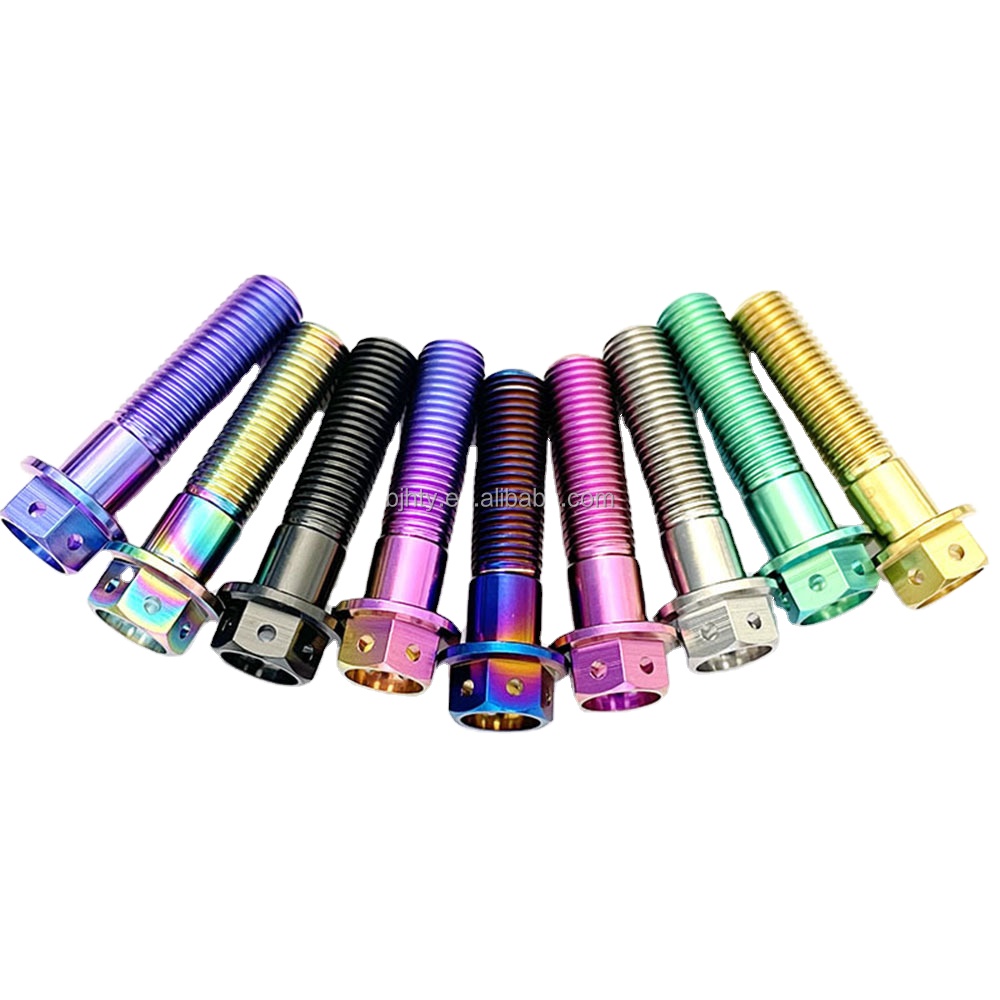
Titanium Alloy Double Drive Head Flanged Hex Bolts for Motorcycle
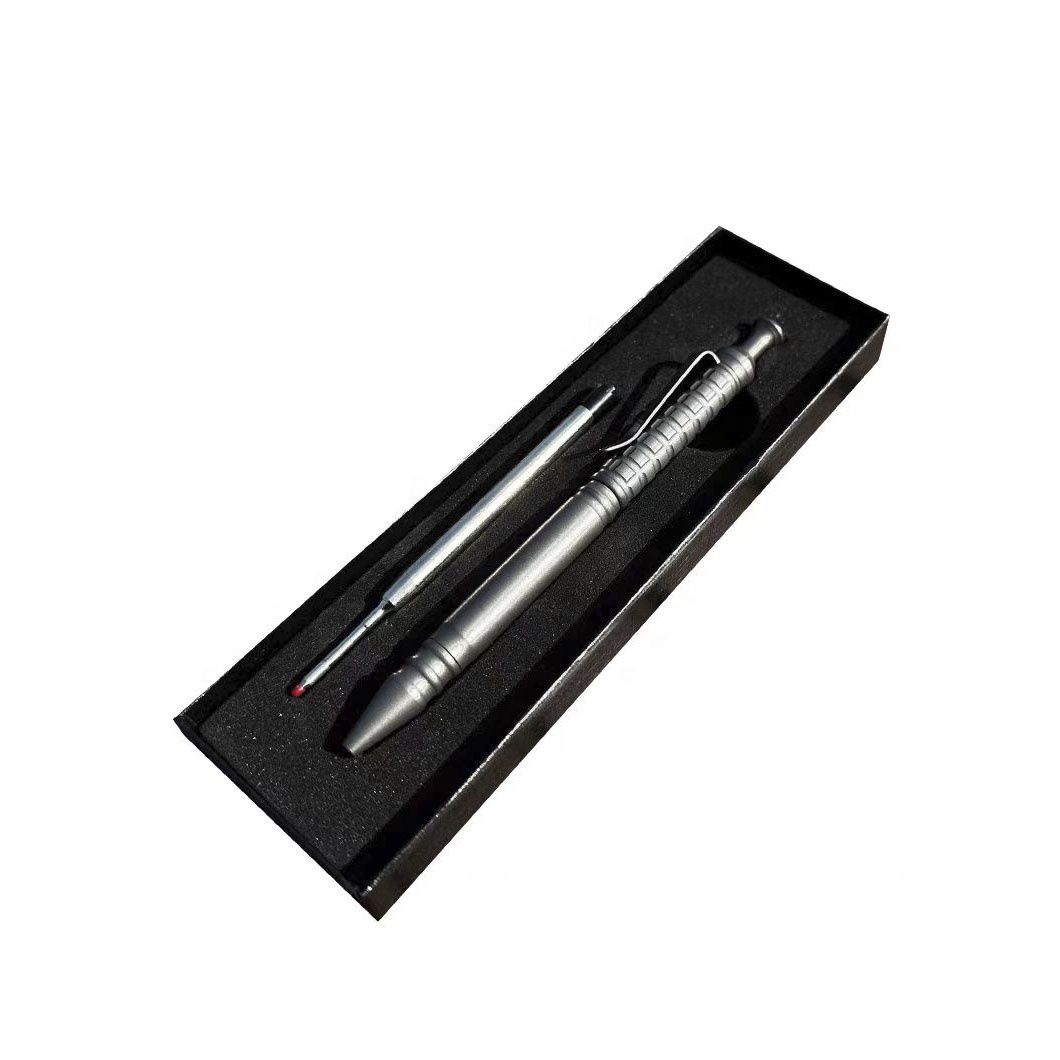
CNC Machining Wire EDM Bolt Titanium Alloy Tactical EDC Ballpoint Pen
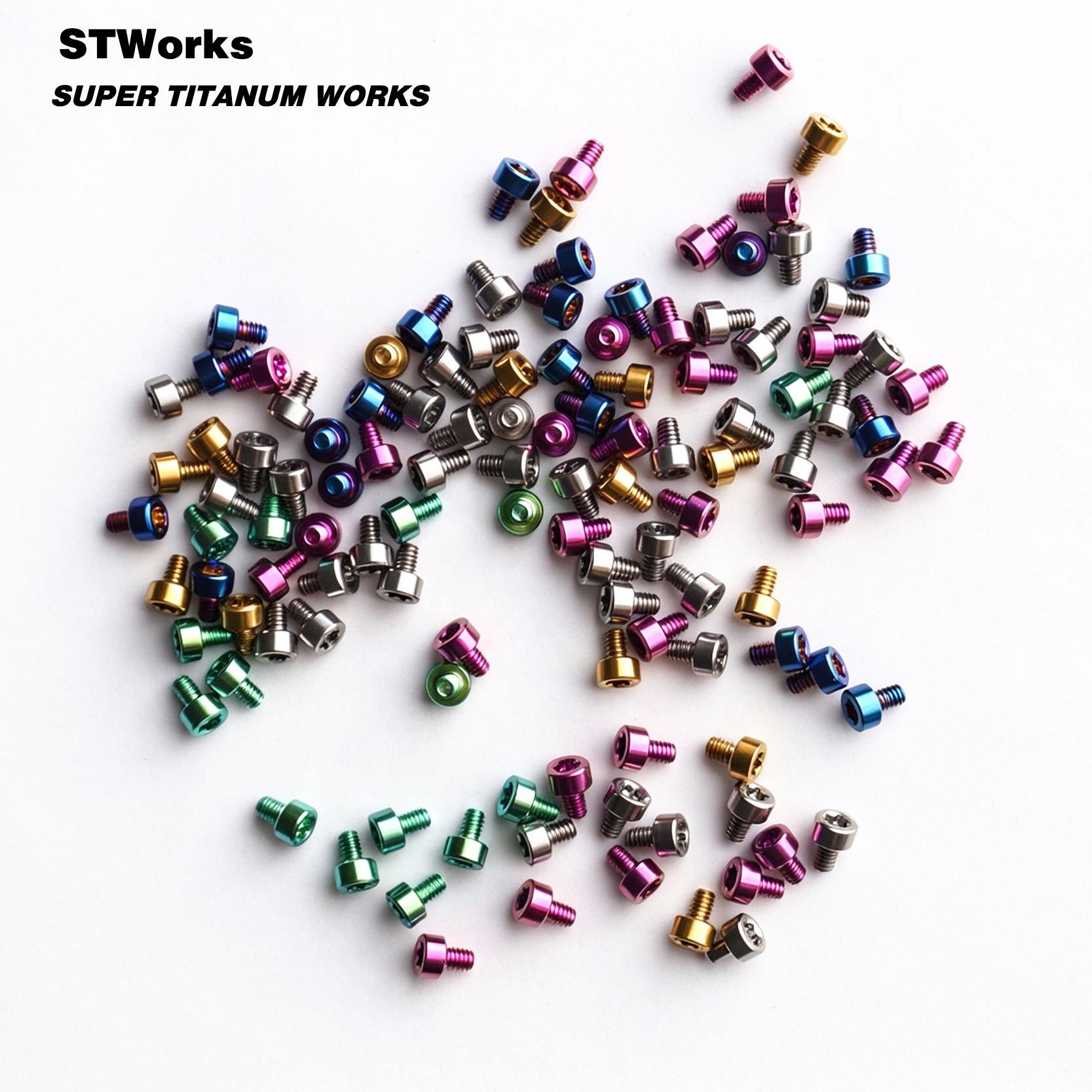
Titanium Screws M2 M2.5 Cylinder Head Bolt DIN912 Torx Micro Machine Screw
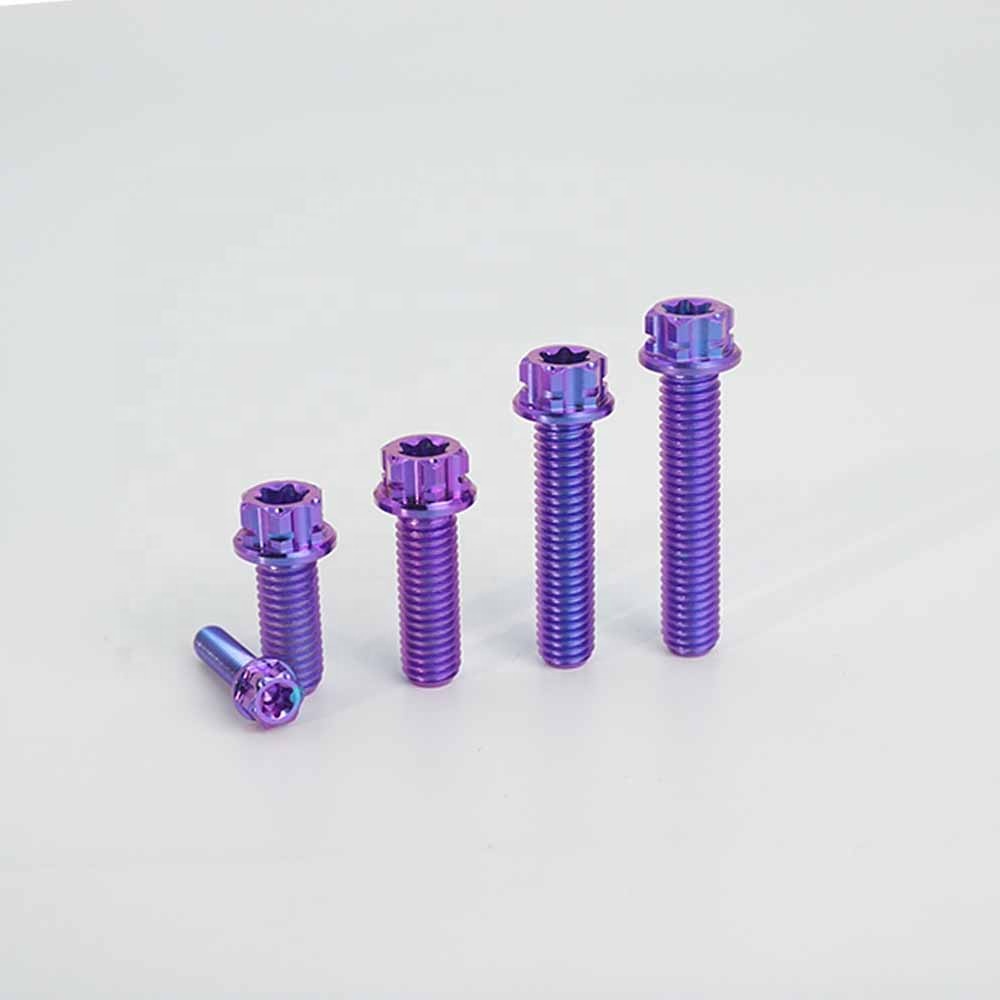
Gr5 Titanium Bolts M6x40 M6x10 Torx Head Flange Bolts for Bicycle / Motorcycle
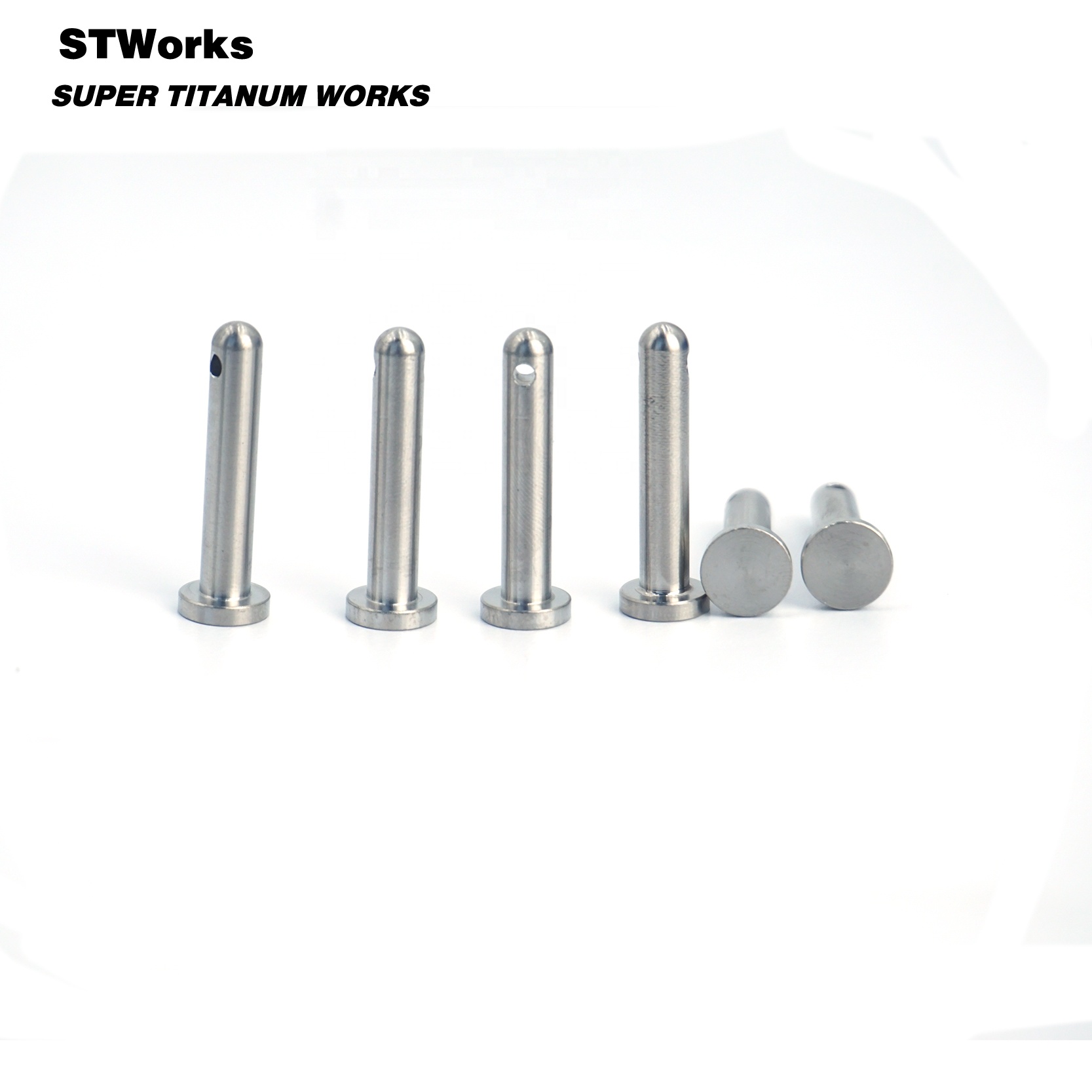
Titanium Alloy Clevis Pins Flat Head with Hole Cylindrical Locating Dowel Pins
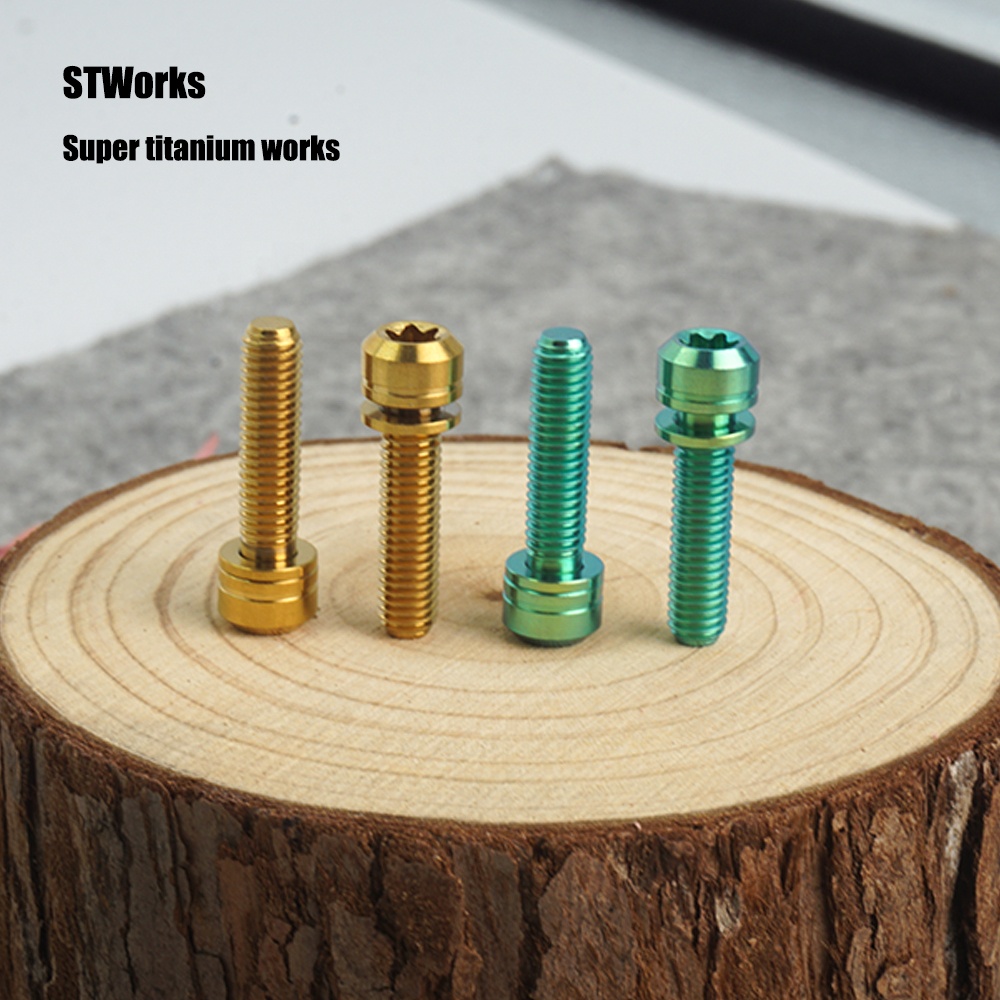
TC4 Titanium Ti Torx M5x16/18/20mm Tapered Head Bolt with Washer
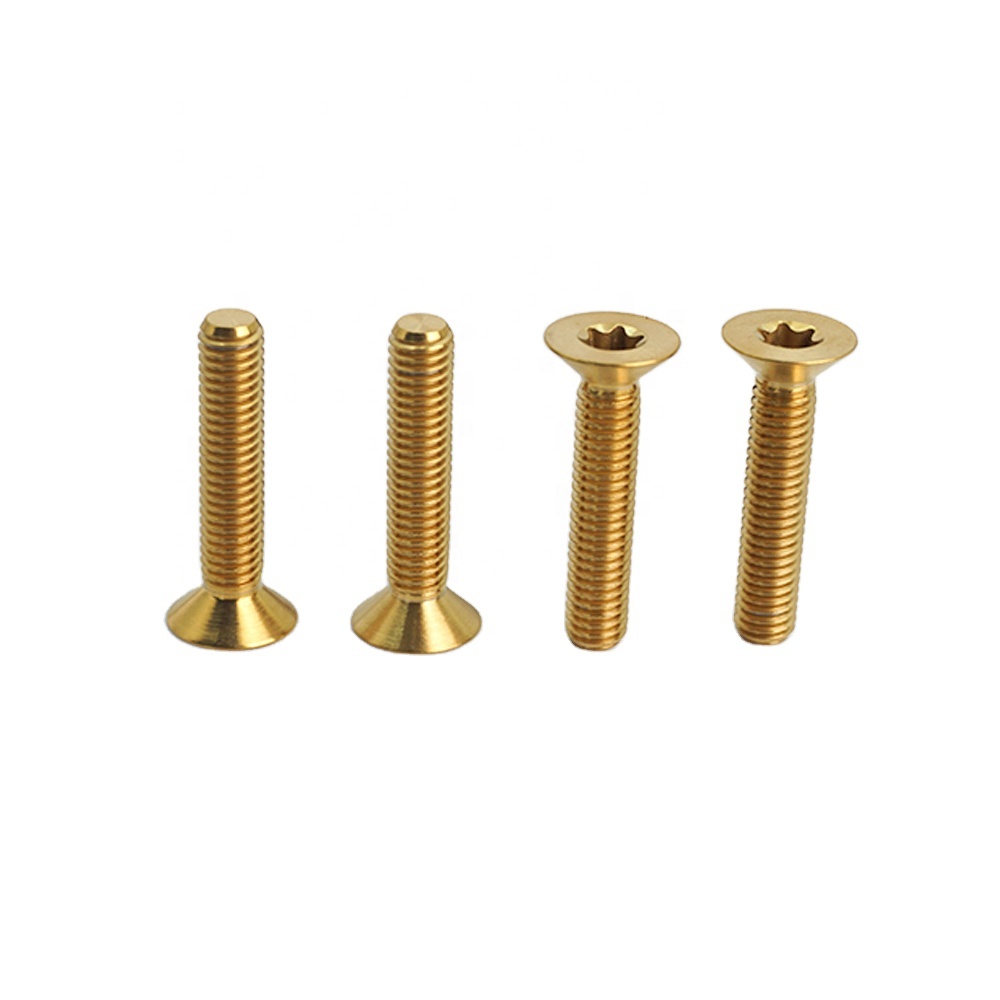
M6x25 Titanium Alloy Countersunk Flat Head Bolt for Motorsport / Car Tuning
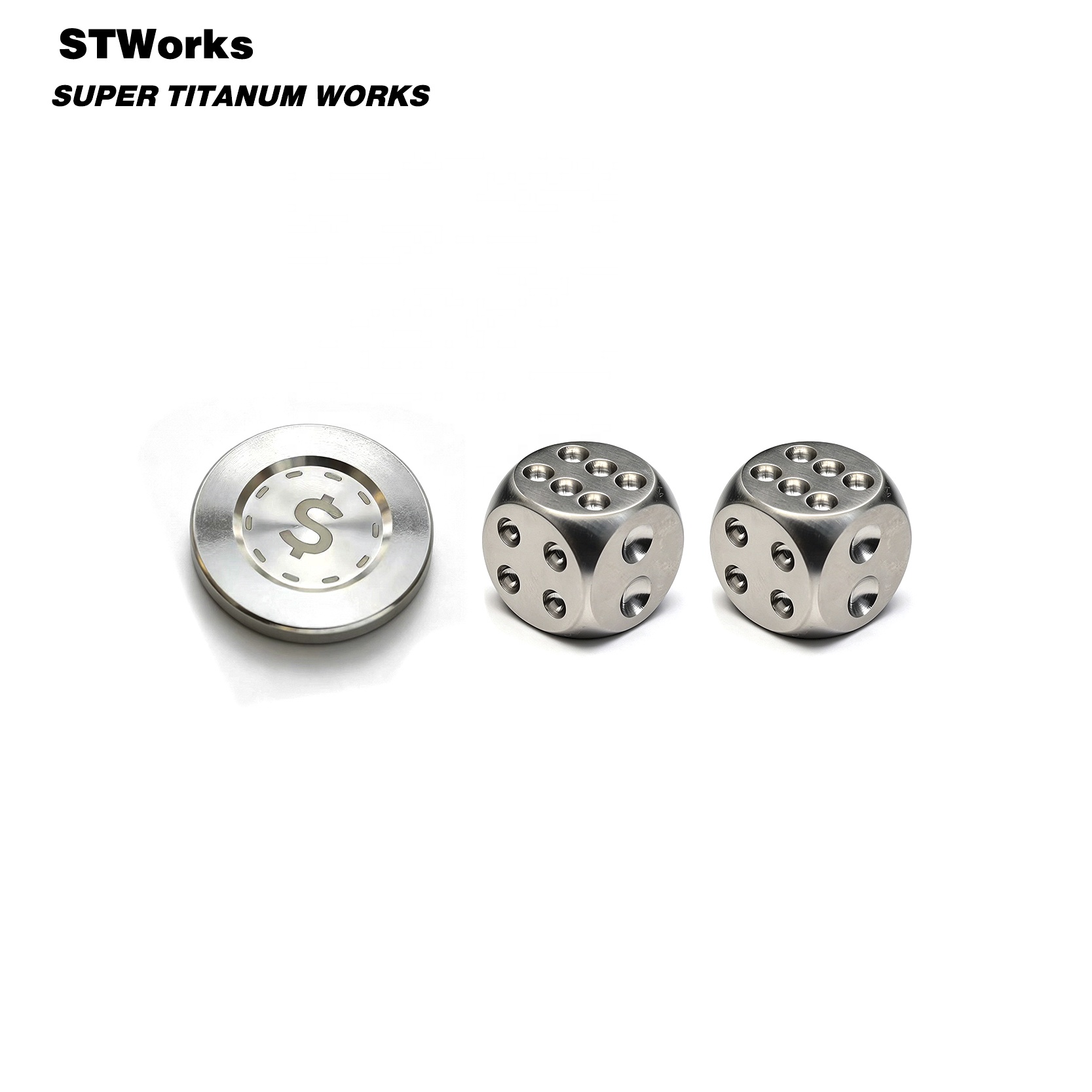
Custom Titanium Alloy EDC Commemorative Coins and Stress-Relief Gaming Dice
Engineering Mokuti Titanium Sheets: Solid-State Diffusion Bonding & B2B Export Dynamics
In high-performance industrial metallurgy and bespoke luxury fabrication, Mokuti (also commercially designated as Timascus or Titanium Damascus) represents an engineering breakthrough in solid-state diffusion-bonded multi-alloy laminates. Developed as a corrosion-proof, non-magnetic, and featherweight equivalent to ferrous Damascus steel, high-purity Mokuti titanium sheets integrate alternating strata of divergent alpha-beta and commercially pure titanium alloys—predominantly alternating layers of Ti-6Al-4V (Grade 5) and CP-Titanium (Grade 2), occasionally supplemented with Grade 7 (Ti-0.15Pd) or zirconium layers (ZlaTi). As China's foremost wholesale Mokuti titanium sheets exporter operating from the heart of Baoji—China's renowned Titanium Valley—Velnora Titanium Industry Co., Ltd. supplies global knife manufacturers, precision horology ateliers, aerospace hardware designers, and EDC artisans with vacuum-HIP consolidated sheets manufactured to micron-grade structural uniformity.
Achieving metallurgical cohesion across multi-layered titanium alloys requires an absolute absence of atmospheric contamination. Because titanium possesses exceptional reactivity with oxygen, hydrogen, and nitrogen at elevated temperatures, conventional forge-welding techniques result in severe embrittlement and catastrophic delamination along phase boundaries. Our specialized vacuum hot isostatic pressing (HIP) facility subjects stacked titanium plates to temperatures ranging between 850°C and 920°C under hydrostatic pressures exceeding 120 to 150 MPa within high-purity argon environments. This process drives atomic diffusion across crystal boundaries without reaching liquid-phase eutectics, producing a molecular bond with inter-laminar shear resistance exceeding 450 MPa. The resulting isotropic plate delivers structural integrity that matches monolithic Ti-6Al-4V while preserving distinct metallurgical boundaries essential for high-contrast differential oxidation.
The visual and aesthetic differentiation of wholesale Mokuti titanium sheets manifests through thin-film interference coloration. When subjected to thermal oxidation or electrochemical anodization, Grade 2 titanium and Grade 5 titanium form refractory oxide coatings ($TiO_2$, $Ti_2O_3$, $Ti_3O_5$) at distinct kinetic growth rates. Grade 2 forms thicker amorphous oxide layers at lower activation potentials, whereas the vanadium and aluminum alloying constituents in Grade 5 slow down oxide formation and alter the refractive index. Consequently, under controlled voltage excitation (12V to 115V DC) or precision flame treating, the laminate exhibits dramatic color contrast—yielding undulating ribbons of electric cyan, imperial amethyst, rich bronze, saffron gold, and peacock green across the engineered topography.
Empirical Performance Metrics: Mokuti vs. Structural Alloys
Comparative analysis of physical, mechanical, and electro-chemical properties for high-stress aerospace, marine, and luxury product fabrication.
| Material Classification | Density (g/cm³) | Tensile Strength (MPa) | Hardness (HRC/HV) | Sea Water Corrosion | Oxide Color Response | Primary Industrial Use |
|---|---|---|---|---|---|---|
| Velnora HIP Mokuti (Gr2+Gr5) | 4.47 | ≥ 780 - 890 | 32 - 36 HRC | Immune (<0.001 mm/y) | Vibrant Multi-Spectrum | Custom Cutlery, Luxury Watches, EDC |
| Monolithic Gr5 Ti-6Al-4V | 4.43 | ≥ 895 | 34 - 38 HRC | Immune (<0.001 mm/y) | Uniform Monochromatic | Aerospace, Race Hardware, Surgical |
| Commercially Pure Gr2 Ti | 4.51 | ≥ 345 | 160 - 200 HV | Immune (<0.001 mm/y) | Rapid Low-Voltage Shift | Chemical Vessels, Marine Heat Plates |
| Austenitic 304 Stainless Steel | 7.93 | ≥ 515 | 88 - 92 HRB | Pitting & Crevice Risk | Straw Yellow to Dull Blue | Industrial Hardware, Kitchenware |
| Pattern Welded Carbon Steel | 7.85 | 650 - 1100 | 56 - 62 HRC | Severe Rusting (Oxidative) | Black / Grey Acid Etch | Traditional Blades, Collectors Cutlery |
*Data derived from standard ASTM B265, ASTM F136 tensile validations and in-house Velnora metallurgical testing protocols.
Future Procurement Trends for Mokuti Titanium Sheets & Billets
As the international supply chain moves toward materials characterized by lifecycle longevity, extreme strength-to-weight ratios, and distinctive visual aesthetics, global procurement strategies for wholesale Mokuti titanium sheets are shifting significantly. Procurement directors from North America, Europe, and the Asia-Pacific region are navigating several emerging trends:
Near-Net-Shape Plate Sourcing
High-cost titanium scrap rates have accelerated demand for precision pre-cut, surface-ground sheets. Wholesale buyers are moving away from thick, raw billets in favor of double-disc ground plates with ±0.05mm thickness tolerances to minimize CNC cycle times and tool wear.
Expansion Beyond Custom Cutlery
While custom knife bolster and pocket clip makers were early adopters of Mokuti, the 2025–2030 horizon indicates strong procurement growth in high-end Swiss and German horology (cases, dials, bezels), luxury phone chassis, high-fidelity audio enclosures, and high-end automotive interior badges.
Stringent B2B Traceability & Testing
Industrial buyers now require complete material test certificates (MTCs), ultrasonic non-destructive testing (NDT) reports confirming 0% internal void rates, and chemical composition documentation per heat lot, ensuring consistent batch-to-batch pattern reproducibility.
In response to these market demands, Velnora has integrated its rolling mills and vacuum HIP consolidation lines with digital tracking systems. Each Mokuti plate is etched with a distinct heat and batch tracking serial number, giving purchasing managers full transparency from sponge titanium refining in Baoji through final precision wire electrical discharge machining (WEDM).
Technological Roadmaps: Next-Gen Cladding, Multi-Alloy Layering & Surface Engineering
The manufacture of Mokuti has evolved from experimental forge pressing into an exact science rooted in refractory metallurgical physics. Innovations in China's titanium manufacturing sector have driven significant advancements across several core technological domains:
Tri-Alloy & Zirconium Intercalation
Beyond basic two-alloy laminates (Gr2+Gr5), Velnora has engineered multi-constituent Mokuti combining Grade 2, Grade 5, Grade 7, and commercially pure Zirconium (Zr702). Upon heat anodization, zirconium oxidizes to deep ceramic black, creating high-contrast three- and four-tone patterns.
Algorithmic Forging & Pattern Modeling
Utilizing computer-controlled hydraulic die systems, stacked billets are pressed with mathematically modeled relief dies. Symmetrical coining, continuous twisting, and stepped milling produce predictable patterns such as Basketweave, Raindrop, Herringbone, Twist, and custom logos with consistent through-thickness distribution.
Precision WEDM & Micro-Milling Optimization
Mokuti presents unique machining considerations due to the alternating elastic moduli and work-hardening rates of Gr2 and Gr5. Velnora maintains validated CNC feeds, speeds, tool geometries (DLC/AlTiN coated carbide), and low-speed wire EDM protocols to prevent burring and delamination during high-speed machining.
Surface treatment engineering has similarly advanced. While flame torch coloring remains common for bespoke knife handles, high-volume production for horology and consumer electronics relies on closed-loop, microprocessor-controlled pulse anodization baths. By precisely controlling pulse frequencies and electrolyte chemistries, color differences are maintained within a tight Delta E (ΔE < 0.8), ensuring uniform, repeatable hues across thousands of finished components.
Why Direct Global Sourcing from Velnora Titanium Delivers Competitive Advantages
Founded in 2013 in the High-Tech Industrial Development Zone of Baoji, Shaanxi, Velnora Titanium Industry Co., Ltd. operates at the center of China's primary titanium supply chain. Baoji manufactures over 60% of China's titanium products and approximately 20% of the world's supply. Sourcing directly from Velnora provides distinct commercial and technical benefits:
Direct Access to Grade 0 Titanium Sponge
We produce our billets exclusively from high-purity vacuum-arc remelted (VAR) Grade 0 titanium sponge ingots. By directly managing ingot composition, we limit interstitial oxygen levels to below 0.12%, ensuring ductility and eliminating brittle inclusions during hot rolling.
Transparent Production Verification
To remove the operational friction of remote overseas procurement, Velnora maintains a transparent digital quality system. Clients receive real-time, high-definition video walkthroughs and production logs for their orders, including HIP cycle verification, WEDM cutting, and spectrophotometric color audits.
Comprehensive In-House Fabrication
From raw Mokuti sheets and rods to completed, high-precision products—such as racing hardware, tactical pens, caliper bolts, and micro-screws—our facility houses five-axis CNC machining centers, precision thread rollers, and multi-wire EDM stations, supporting low-MOQ rapid sampling through large-scale container shipments.
Complete OEM/ODM Customization for International Brands
We support full drawing customization (STEP, IGES, DXF, or PDF), custom laser marking, laser engraving, bespoke pattern development, custom packaging, and flexible global delivery via DHL/FedEx Express, air cargo, or ocean freight with full export clearance compliance.
Frequently Asked Questions: Mokuti Titanium Sheet Procurement
Critical answers for material engineers, sourcing agents, and manufacturing directors seeking reliable titanium composite supply lines.
What exact titanium alloys are used in Velnora's Mokuti sheets, and can custom alloy combinations be requested?
How does solid-state diffusion bonding prevent delamination during high-stress CNC milling and deep bevel grinding?
What are the recommended machining parameters, tooling selections, and coolant protocols for cutting Mokuti sheets?
How do thermal heat-treating and electrochemical anodizing compare when bringing out colors on Mokuti surfaces?
What standard sheet dimensions, thicknesses, and minimum order quantities (MOQ) are available for export?
What export shipping terms, import classifications (HS Codes), and payment structures does Velnora provide?
Request Engineering Catalogs & Wholesale Mokuti Pricing
Connect directly with our engineering and export team in Baoji, China. Receive comprehensive material test reports, available inventory lists, custom billet forging quotes, and technical processing guidelines within 4 hours.