Engineered Titanium CNC Fasteners & Components
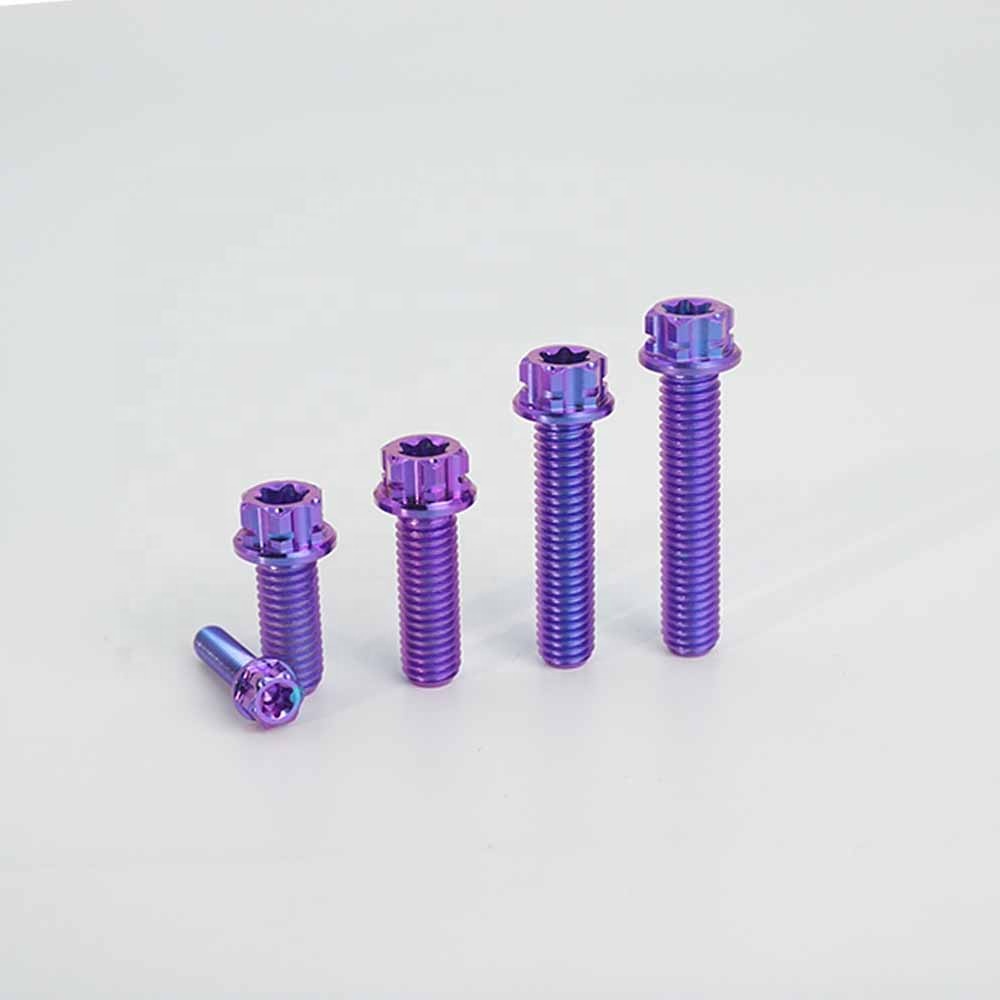
Our AS9100/ISO9001-certified machining facility in Baoji ("China Titanium Valley") delivers fully rolled threads, micro-machined Torx heads, and vacuum PVD finishes designed to outperform stainless steel and aluminum in high-stress, corrosive operating environments.
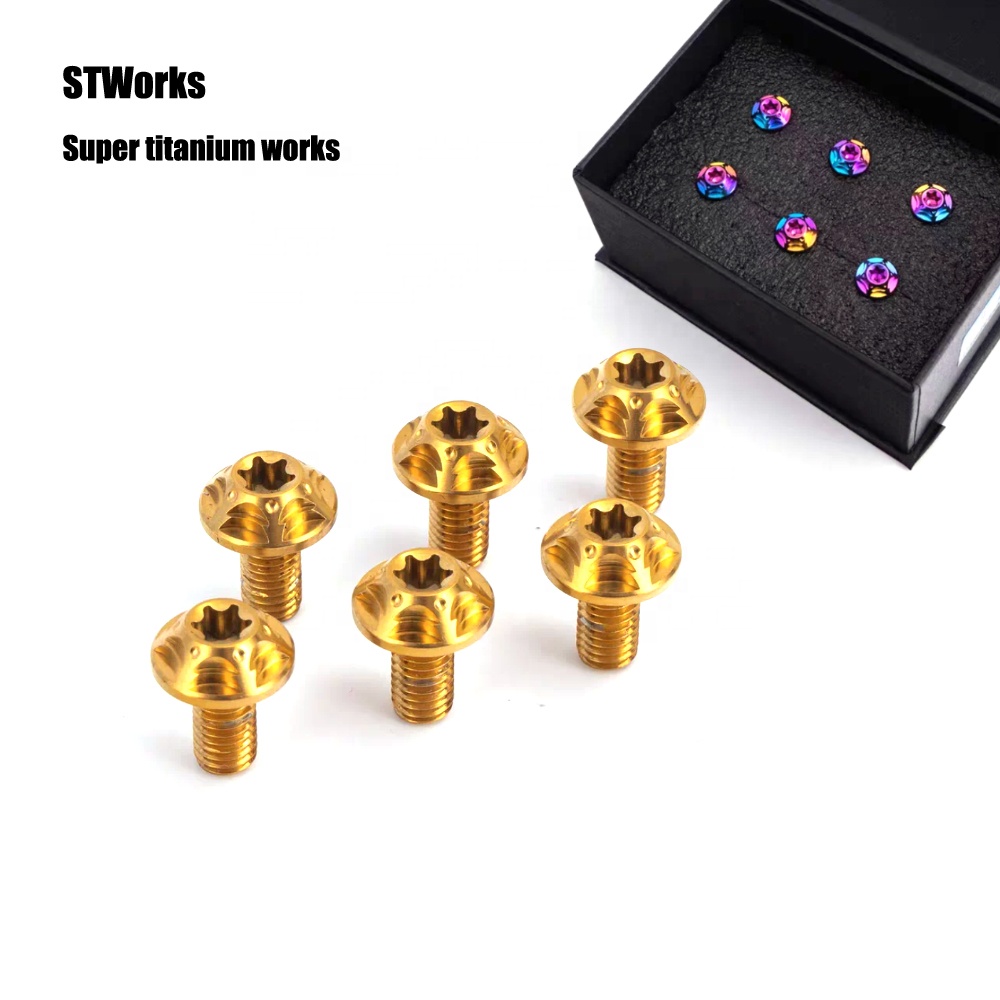
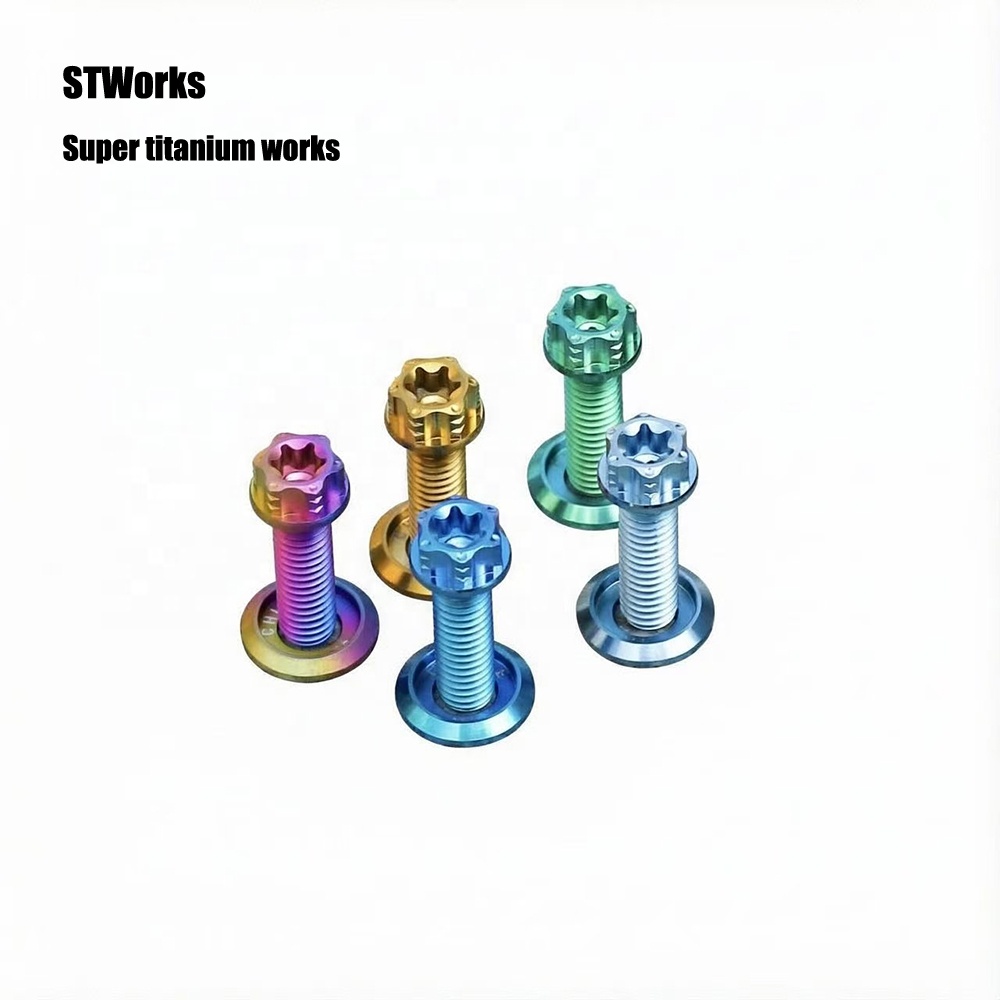
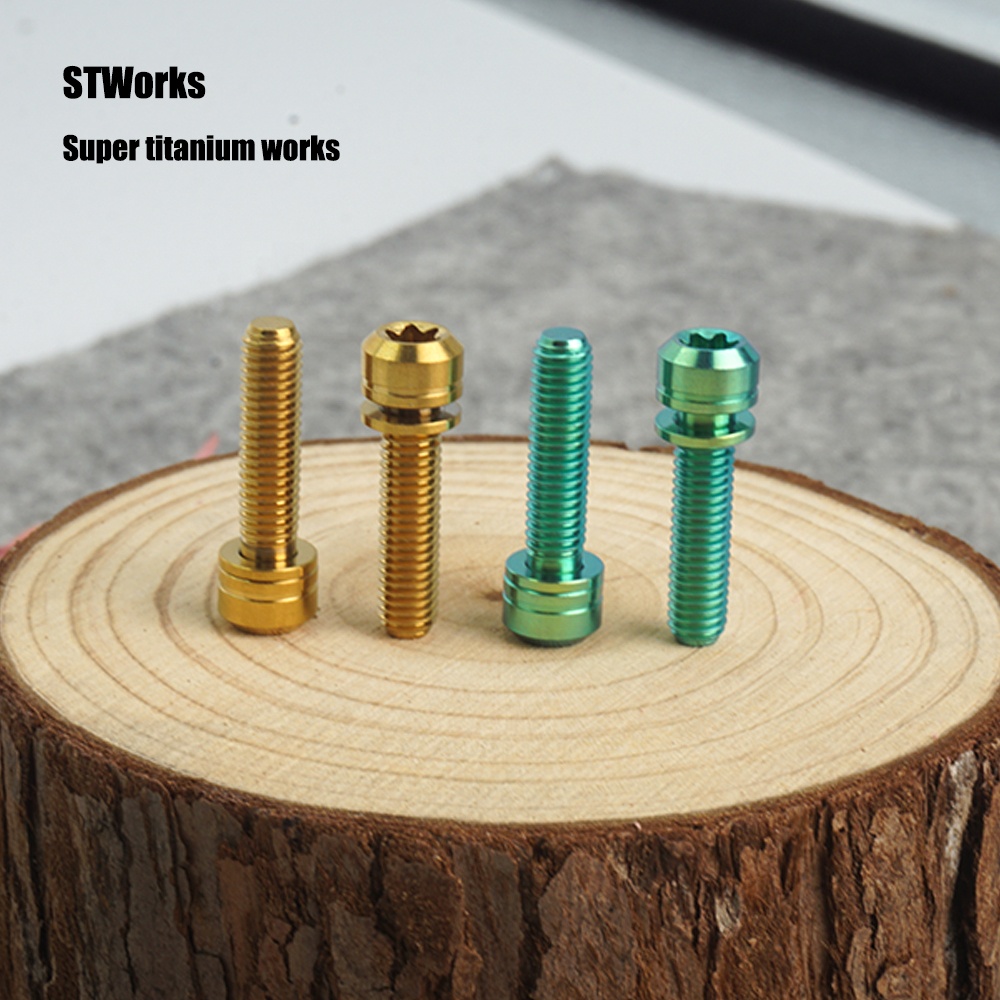
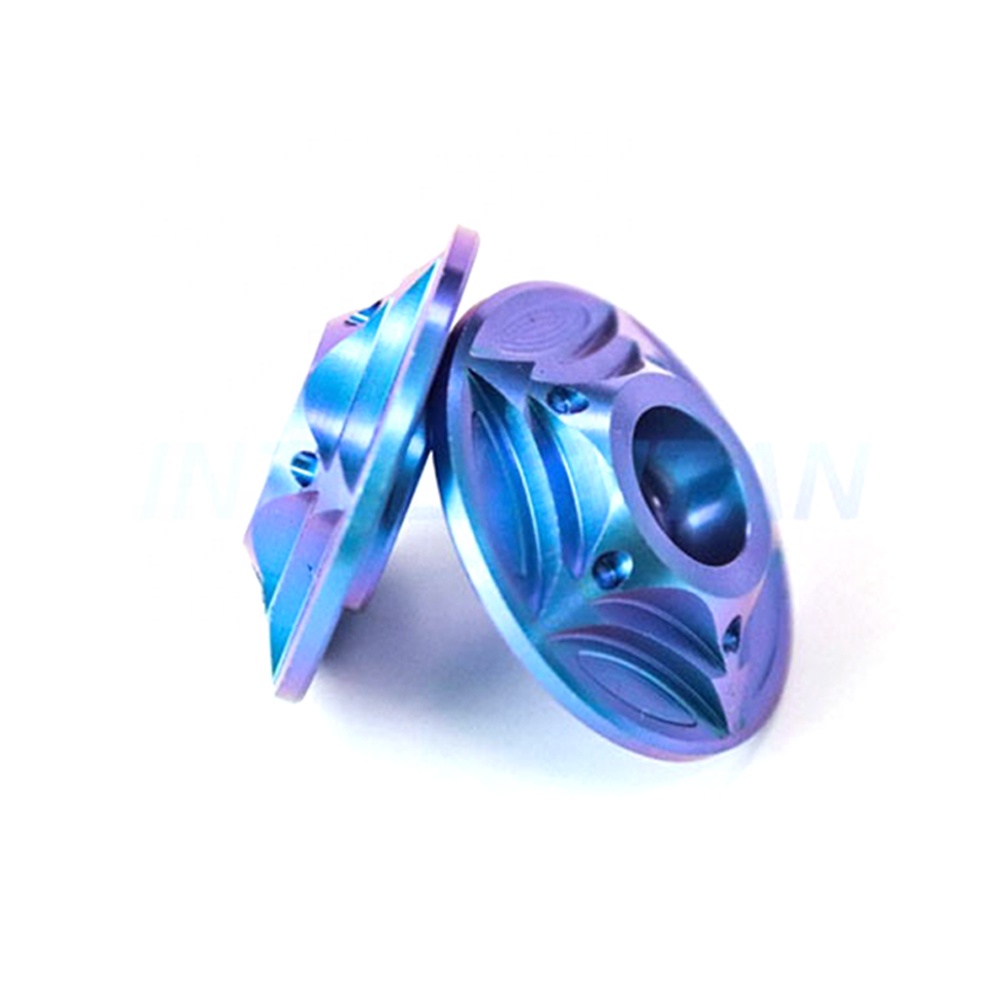
High-Integrity Titanium CNC Machining: Metallurgical Precision in China's Titanium Valley
In high-reliability industrial assemblies, fastener failure is catastrophic. Modern aerospace, motorsport, maritime, and defense components demand an optimal strength-to-weight balance that legacy stainless steel (AISI 304, 316) and structural alloy steels (Grade 8.8, 10.9) cannot deliver. As China's leading titanium CNC parts exporter operating from Baoji, Shaanxi—the globally recognized hub holding over 60% of China's titanium supply chain—Velnora Titanium Industry Co., Ltd. reengineers procurement dynamics by unifying raw sponge smelting provenance, 5-axis subtractive milling, and cold thread rolling under one rigorous quality assurance umbrella.
Titanium Grade 5 (Ti-6Al-4V, UNS R56400, TC4) represents an alpha-beta alloy matrix displaying high yield strength (≥ 830 MPa), exceptional fracture toughness, and total immunity to chloride-induced stress corrosion cracking. However, extracting high-tolerance components from titanium bar stock demands deep thermal and kinematic machining control. Titanium's low thermal conductivity (approx. 6.7 W/m•K, just 1/4 that of carbon steel) causes extreme heat concentration at the cutting tool's rake face. Without advanced high-pressure internal coolant delivery and specific carbide substrate coatings (such as AlTiN or crystalline diamond), work hardening rapidly induces catastrophic tool deflection and micro-chatter, ruining surface finishes and dimensional concentricity.
"Thread integrity dictates structural fatigue life. While generic suppliers machine threads through single-point cutting—severing the continuous metallic grain flow—our process utilizes automated hydraulic cold rolling under high radial pressure. This creates residual surface compressive stresses and eliminates micro-notch stress concentrators, elevating fatigue life by more than 300% under high cyclic vibrational loading."
Critical Advantages of Cold Thread Rolling vs. Thread Machining
When engineering high-vibration racing suspension bolts, brake rotor Torx fasteners, or aerospace hydraulic unions, the microstructural profile of the thread root governs lifetime performance. Cold-rolled threads work-harden the root radius, closing atomic dislocations and yielding an ultra-smooth root surface (≤ Ra 0.4 μm) that stops micro-crack nucleation before it starts. Our internal coordinate measuring machines (CMM) and optical profile projectors cross-examine pitch circle diameter, thread angle accuracy, and flank straightness to strict DIN 13, ISO 965-1, and ASME B1.1 Class 3A specifications.
| Alloy Grade & Condition | Tensile Strength (MPa) | Yield Strength (0.2%, MPa) | Density (g/cm³) | Modulus of Elasticity (GPa) | Marine Salt Fog Endurance | Fatigue Threshold Ratio (σe / σb) |
|---|---|---|---|---|---|---|
| Gr5 Ti-6Al-4V (Annealed Bar) | 895 - 1050 | 828 - 920 | 4.43 | 114 | Immune (> 5,000 hrs) | 0.55 - 0.60 |
| Gr2 Commercially Pure Ti | 345 - 480 | 275 - 380 | 4.51 | 103 | Immune (> 5,000 hrs) | 0.45 - 0.50 |
| 316L Marine Stainless Steel | 515 - 620 | 220 - 310 | 7.98 | 193 | Pitting & Crevice Risk | 0.35 - 0.40 |
| 7075-T6 Aerospace Aluminum | 572 | 503 | 2.81 | 72 | Galvanic Pitting Prone | 0.28 - 0.32 |
| Class 10.9 Structural Steel | 1040 | 940 | 7.85 | 206 | Requires Zinc/Galvanizing | 0.40 - 0.45 |
Why Global Tier-1 Brands Partner With Velnora
We operate an advanced CNC machining campus within the Baoji Precision Manufacturing Park. By eliminating intermediaries and working with the shop-floor engineers who program the machine tools, B2B procurement teams secure shorter lead times, flawless repeatability, and direct engineering accountability.
Direct Mill Supply in Baoji
Located at the ground-zero of China's titanium refining ecosystem, we source certified double and triple vacuum arc remelted (VAR) ingots with full material traceability. Every batch includes chemical composition and mechanical test certification conforming strictly to EN 10204 3.1 and ASTM B348 standards.
5-Axis & Swiss Lathe Center
Equipped with DMG MORI 5-axis simultaneous machining centers and Citizen sliding-head Swiss lathes, we routinely hold linear tolerances of ±0.005 mm on micro-components and complex organic geometries. Thread concentricity is maintained within 0.01 mm Runout Indicator Total (TIR).
Live Video Auditing Transparency
We eliminate the blind spots of overseas procurement. We record and transmit high-definition CNC machining setups, thread rolling checks, and final micrometric gauge measurements directly to overseas clients before packing, giving international procurement teams real-time control.
Advanced PVD & Anodization
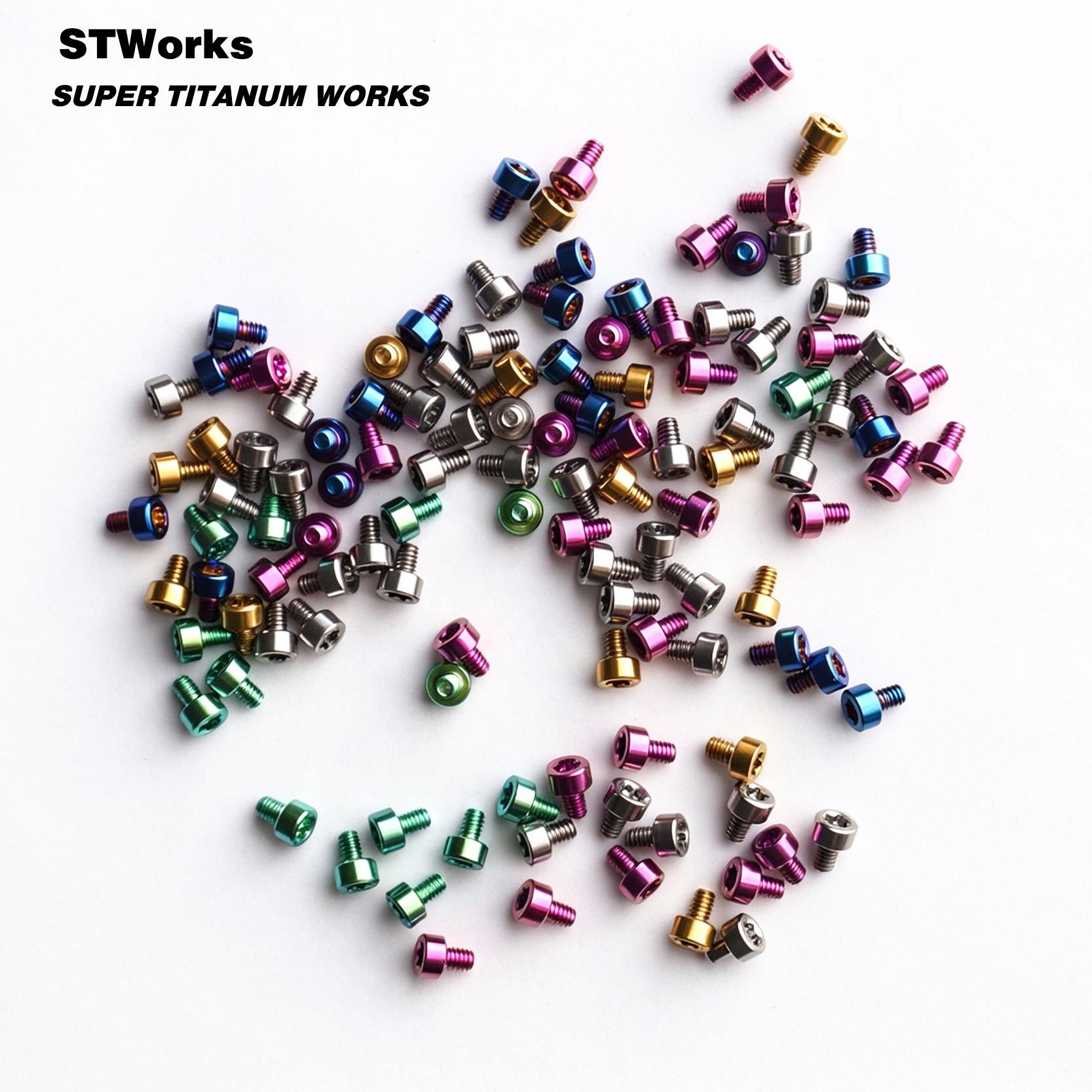
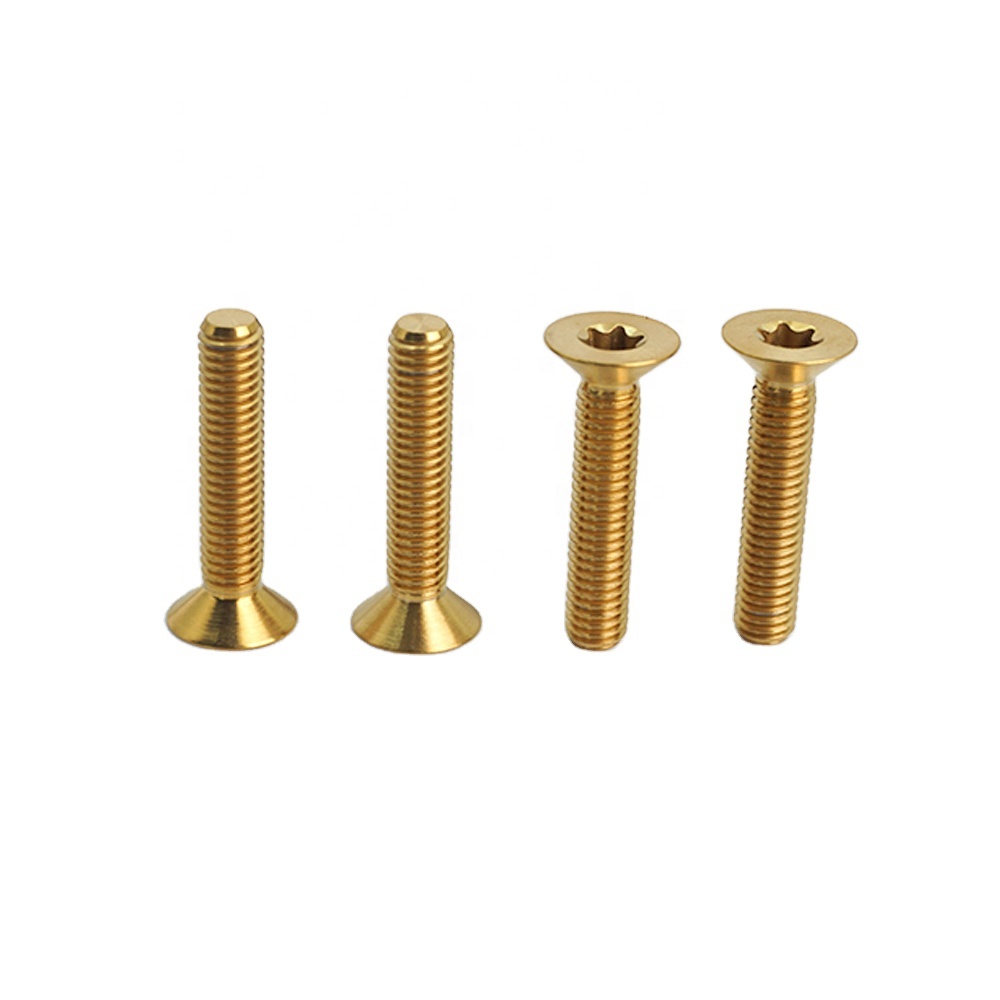
From Type II aerospace micro-anti-galling anodization to decorative Type III optical interference finishes (gold, purple, electric blue, toxic green, burnt rainbow) and functional Physical Vapor Deposition (PVD TiN, TiAlN, DLC), our clean-room finishing lines ensure high scratch and galling resistance.
Sub-4-Hour DFM Engineering Review
We reject sluggish quoting systems. Send us your technical drawings in 3D STEP, IGES, Parasolid, or 2D DWG/PDF formats, and our team of senior application engineers provides a Design for Manufacturability (DFM) assessment and detailed commercial quotation within 4 business hours.
Exotic Materials: Timascus & Mokuti
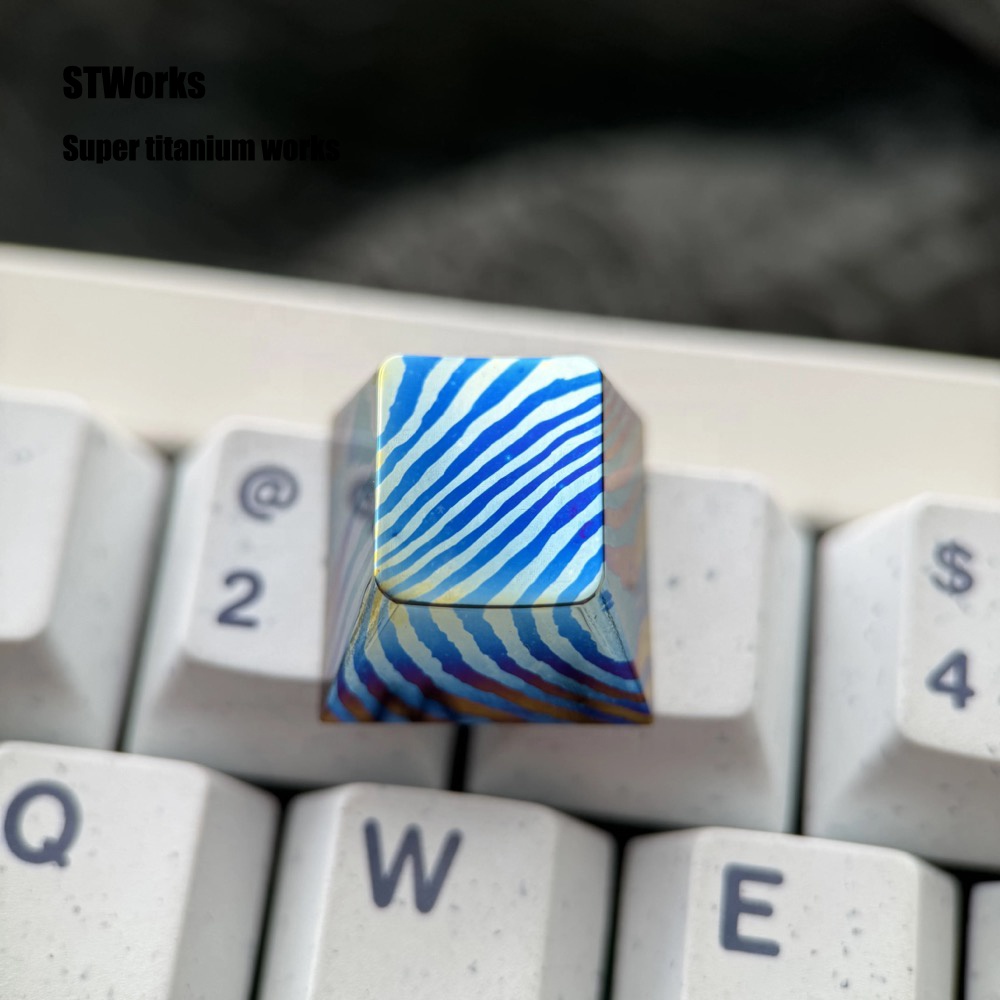
Beyond industrial titanium grades, we are one of the few Chinese manufacturers mastering precision diffusion-bonded Damascus titanium (Timascus / Mokuti). Utilizing slow-feed wire EDM cutting and controlled thermal oxidation, we provide artisan EDC and bespoke mechanical components from 1 piece upward.
Procurement Trends Shaping the Global Titanium Sector
To maintain competitive margins and supply resilience, international purchasing directors must anticipate shifts in metallurgical standards, near-net shape manufacturing, and sustainability compliance over the next decade.
1. Additive & Subtractive Hybridization
High-cost titanium raw stock is driving the adoption of Electron Beam Melting (EBM) and Selective Laser Melting (SLM) for near-net geometry generation, immediately followed by multi-axis CNC finishing. This hybrid flow slashes material waste ratios (buy-to-fly) from 10:1 down to 1.5:1, yielding double-digit percentage savings for complex custom parts.
2. Cryogenic CNC Machining
To overcome tool wear at cutting speeds beyond 80 m/min, advanced Chinese exporters are transitioning from flood emulsions to high-pressure supercritical liquid carbon dioxide (scCO2) and liquid nitrogen (LN2). Cryogenic cooling suppresses thermal expansion at the cutting tip, prevents metallurgical phase transitions, and leaves surfaces free from chemical residue.
3. PVD Over Anodizing for High Contact
While Type III anodized color interference delivers clean aesthetics for consumer bikes, high-friction environments like superbike rear axle nuts and caliper pins are transitioning to diamond-like carbon (DLC) and titanium carbo-nitride (TiCN) PVD coatings. These deposit a sub-3-micron layer exceeding 2,500 HV surface hardness, which completely eliminates cold galling.
4. Traceable Circular Supply Chains
With cross-border carbon border adjustment mechanisms (CBAM) taking hold in the EU and North America, buyers now demand verification of low-carbon titanium smelting and closed-loop scrap chip recycling. Velnora segregates 100% of our CNC titanium turnings and chips, routing clean scrap directly back to local Baoji remelters under vacuum induction.
Technological Frontiers: Beyond Standard Ti-6Al-4V Grade 5 Fasteners
While Grade 5 (TC4) remains the undisputed workhorse of the precision fastener sector, specific mission-critical applications are prompting procurement managers to specify emerging specialty alloys. Understanding when and why to upgrade your bill of materials prevents joint loosening, high-temperature creep, and premature fatigue fractures.
Ti-6Al-4V ELI (Grade 23) in Cryogenic & Medical Dynamics
Extra Low Interstitial (ELI) titanium drastically limits the presence of interstitial elements: oxygen (≤ 0.13%), nitrogen (≤ 0.03%), carbon (≤ 0.08%), and iron (≤ 0.25%). The resulting reduction in internal micro-voids elevates fracture toughness ($K_{IC}$) and ductility at cryogenic temperatures below -196 °C. We regularly machine Grade 23 bolts for liquid hydrogen fuel handling, aerospace valves, and subsea deep-immersion exploration sub-assemblies.
Beta-Titanium Alloys: The Future of High-Frequency Suspension
For applications where elasticity is prioritized alongside sheer strength—such as valve spring retainers, motorsport chassis tie-rods, and high-frequency flexure brackets—metastable beta-titanium alloys (e.g., Ti-15V-3Cr-3Sn-3Al or Ti-10V-2Fe-3Al) represent the state of the art. Through precise solution treating and aging (STA), beta alloys reach tensile yield strengths in excess of 1,250 MPa while maintaining a lower modulus of elasticity (approx. 100 GPa). This enables suspension springs and mechanical clips to store identical elastic energy at nearly half the mass of spring steel.
The Metallurgy of Timascus (Mokuti) Pattern Welding
Producing defect-free Timascus involves diffusion-bonding alternating micro-laminations of commercially pure Grade 2 titanium (with higher ductility and rapid oxidation) and Grade 5 alloy (high hardness and varying oxide refractive properties). When precision cut across the welded layers using wire EDM and heated, the differing oxidation rates produce thin-film optical interference patterns. Because light waves reflect off both the top of the titanium oxide film and the underlying metallic substrate, phase shifts generate vivid, iridescent colors without artificial pigments, chemicals, or coatings.
Frequently Asked Technical Questions
Real-world engineering answers to the critical metallurgical, assembly, and commercial questions asked by international supply chain directors before placing volume contracts.
What causes thread galling in titanium fasteners, and how is it engineered out?
Can a Grade 5 titanium bolt serve as a direct 1:1 replacement for high-tensile steel?
How do you calculate tightening torque for titanium bolts compared to standard steel?
What are your standard quality inspection procedures and documentation packages?
Does galvanic corrosion occur when coupling titanium fasteners with carbon fiber or aluminum?
What are your minimum order quantities (MOQ) and production lead times for custom drawings?
Accelerate Your Titanium Procurement Pipeline
Share your 2D engineering drawings or 3D CAD files (.STEP, .IGES, .DWG, .PDF) with our technical staff. We'll deliver a thorough DFM review and competitive direct-mill pricing within 4 business hours.