Featured Titanium & Timascus Horological Fasteners
Explore our ultra-precision Grade 5 (Ti-6Al-4V) titanium screws, bezel retainers, micro-bolts, and CNC machined fittings engineered for luxury watch casebacks, high-waterproof diver assemblies, and structural timepiece calibers.
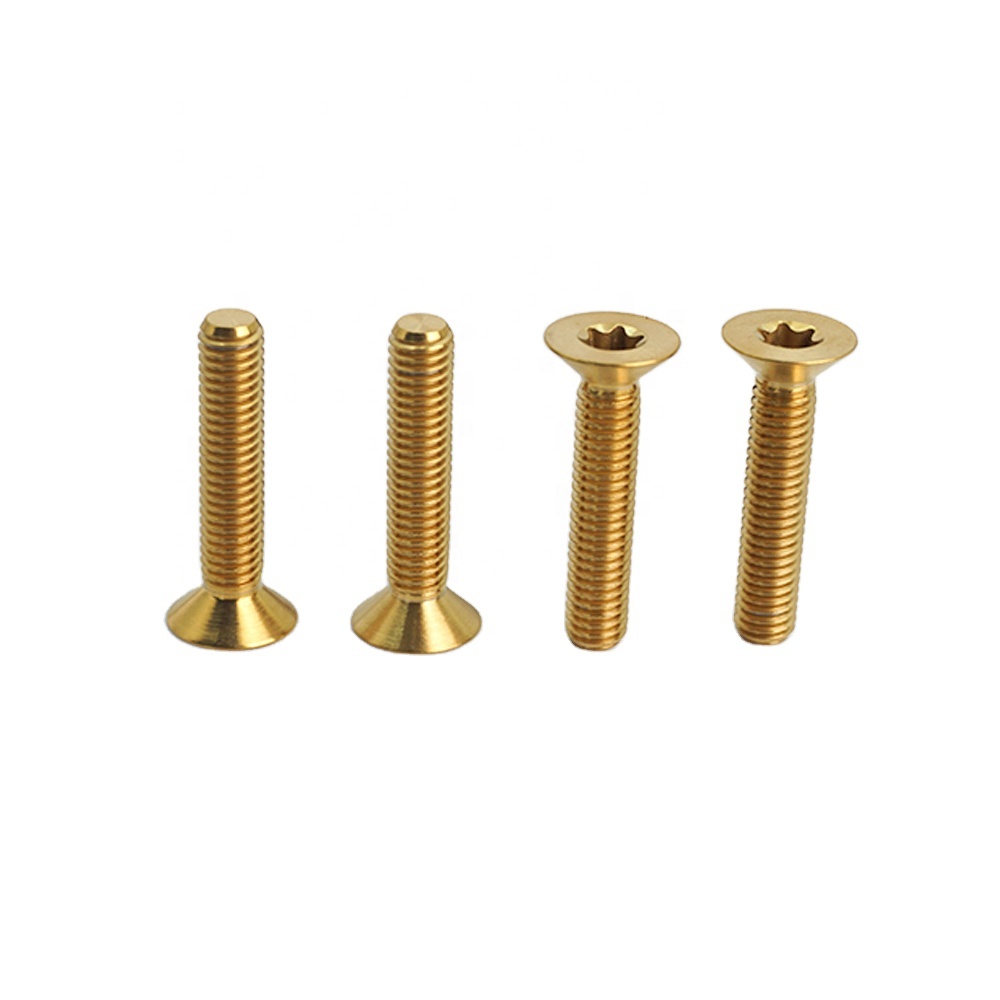
M6x25 Titanium Alloy Screw Countersunk Flat Head Titanium Bolt Bicycle Motorcycle Car Modification
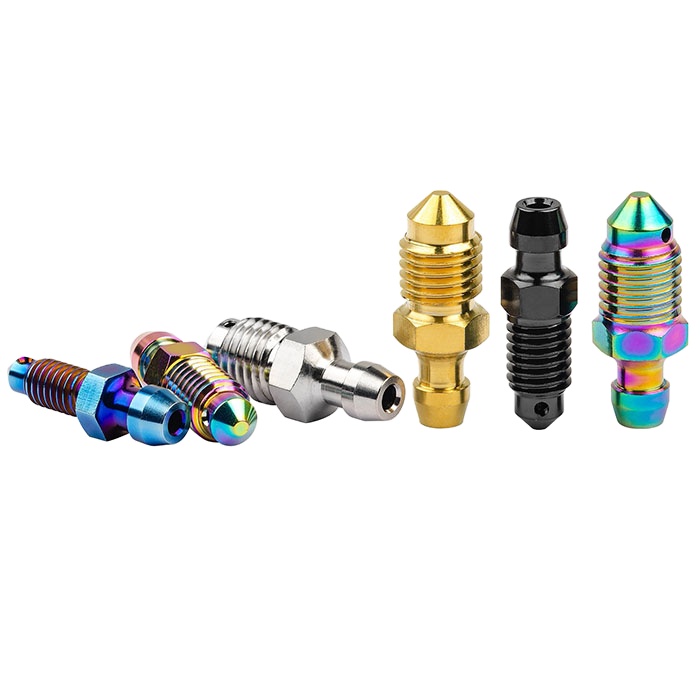
M10 Titanium GR5 Bolt Bleed Nipple Motorcycle Oil Drain Deflation Screws 89% Ti Content Customized Color for Outdoor Sport
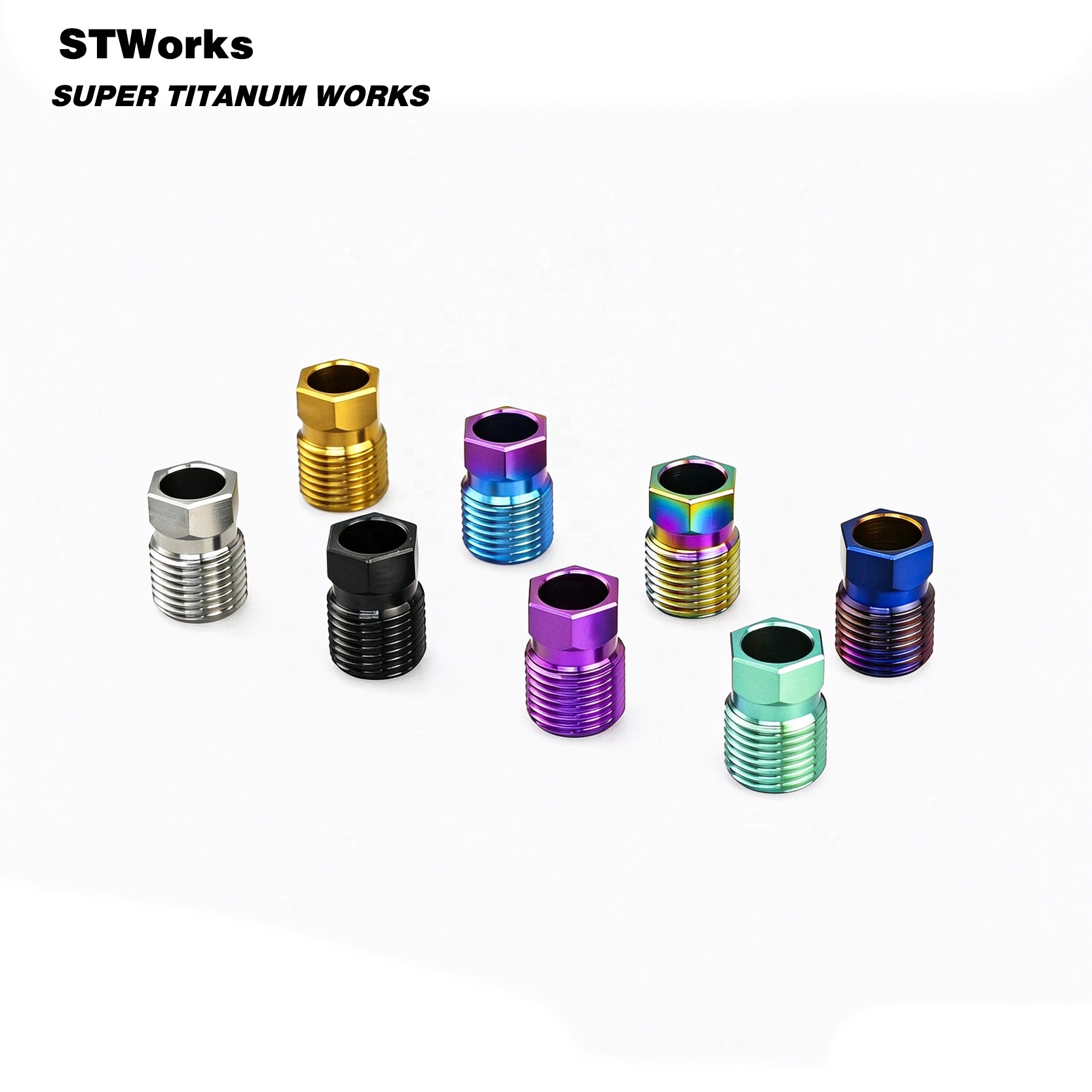
Titanium Hose Barb Lock Screw for Shimano Road Disc Brake Caliper Road Bike Cycling Upgrade Parts
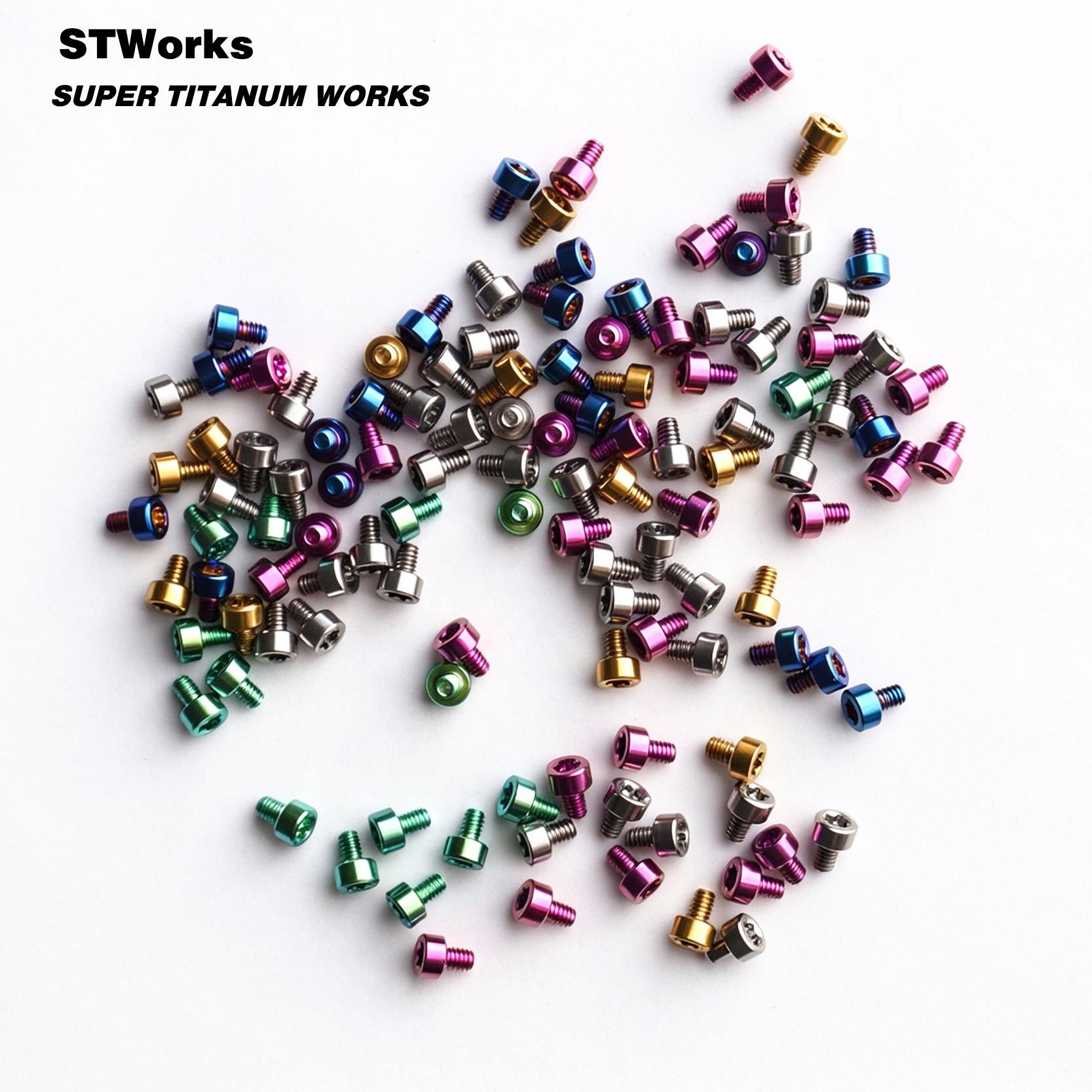
Titanium Screws M2 M2.5 Customized Cylinder Head Bolt Din912 Torx Micro Machine Screw
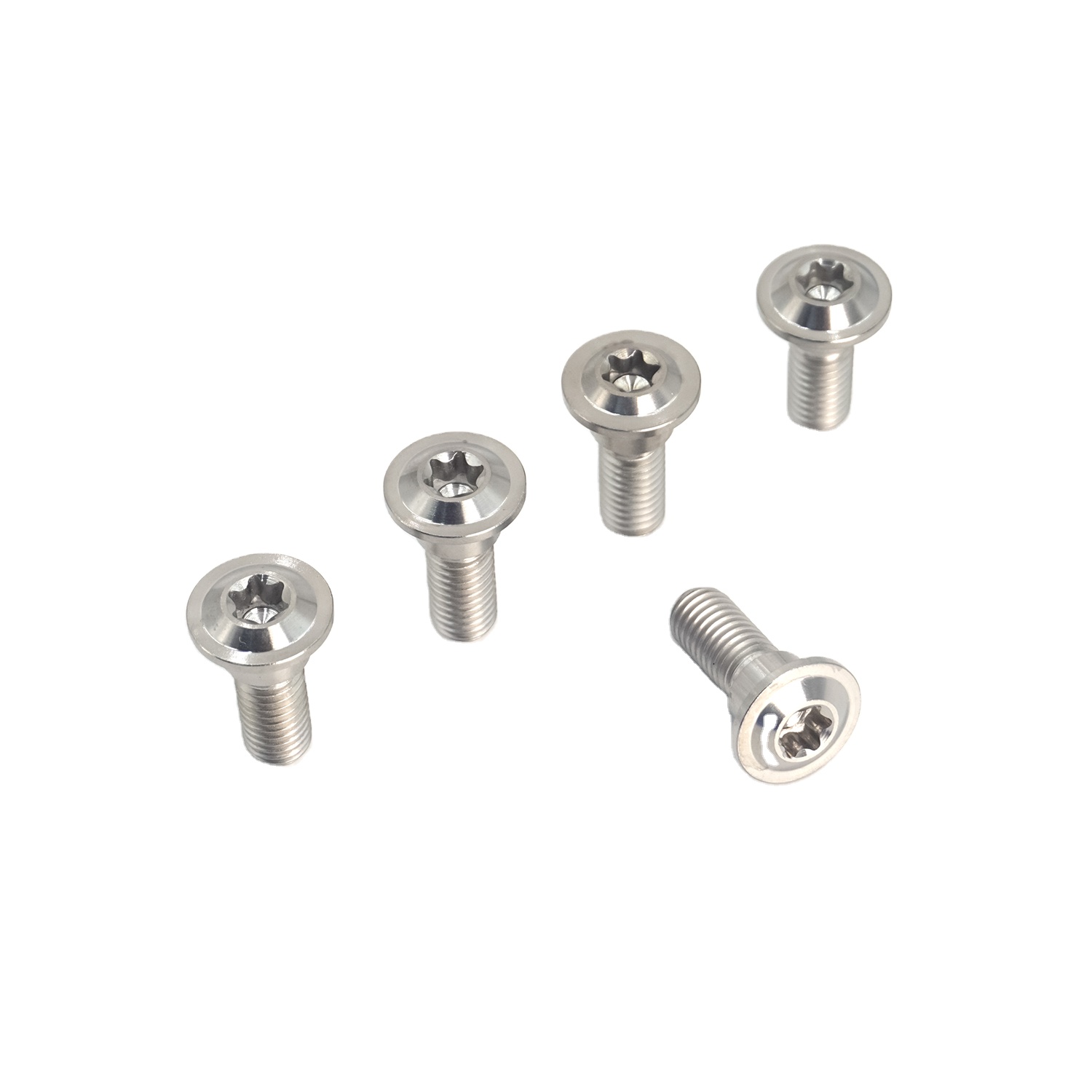
OEM CNC MACHINING Gr5 Titanium Disc Brake M8x23 Screws for Motorcycle Accessories
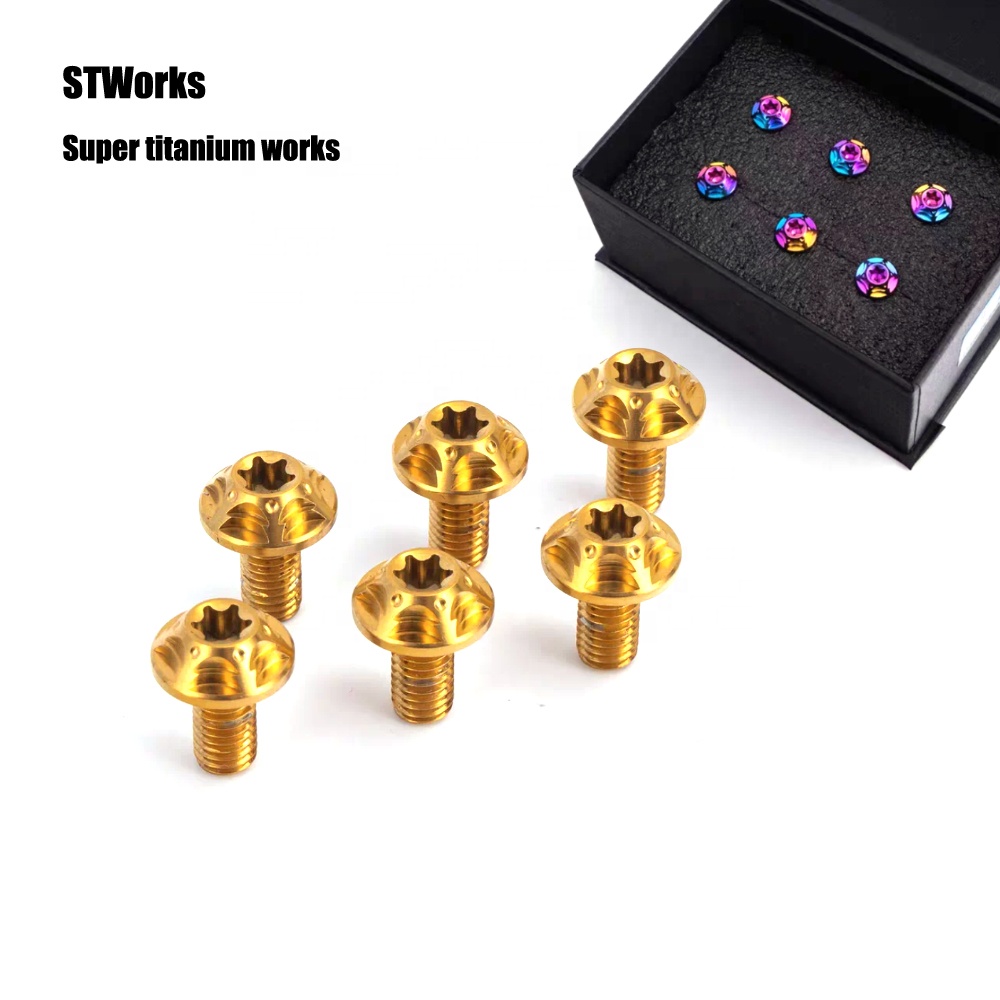
Rainbow Color Torx Pan Screws Gr5 Titanium Torx Bolt Bike Rear Brake Rotor Screw M5*10
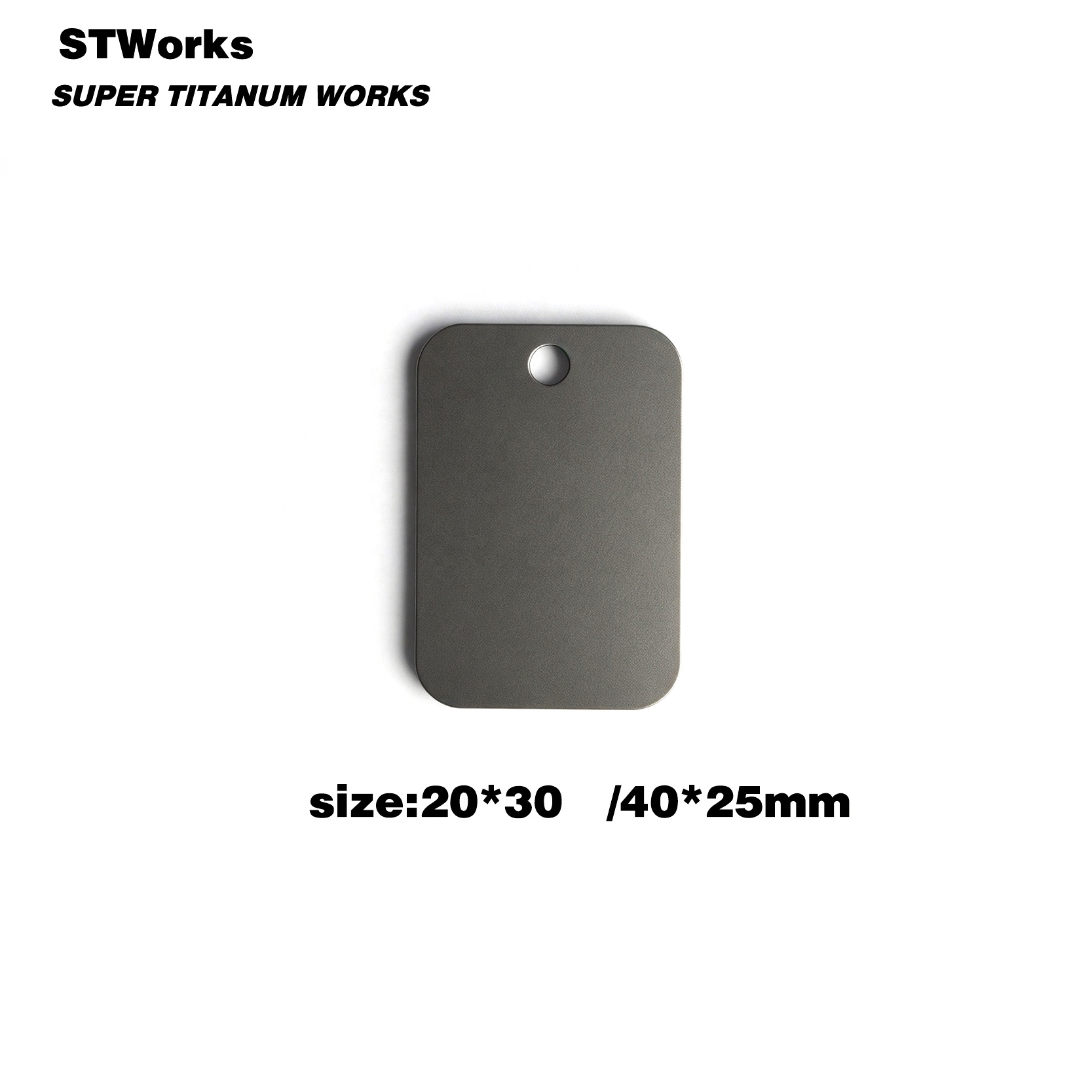
Custom Grade 5 Titanium Plate Tag 1.5mm/2mm Titanium Dog Tag Sandblasted Free Laser Engraved Logo Blank Titanium
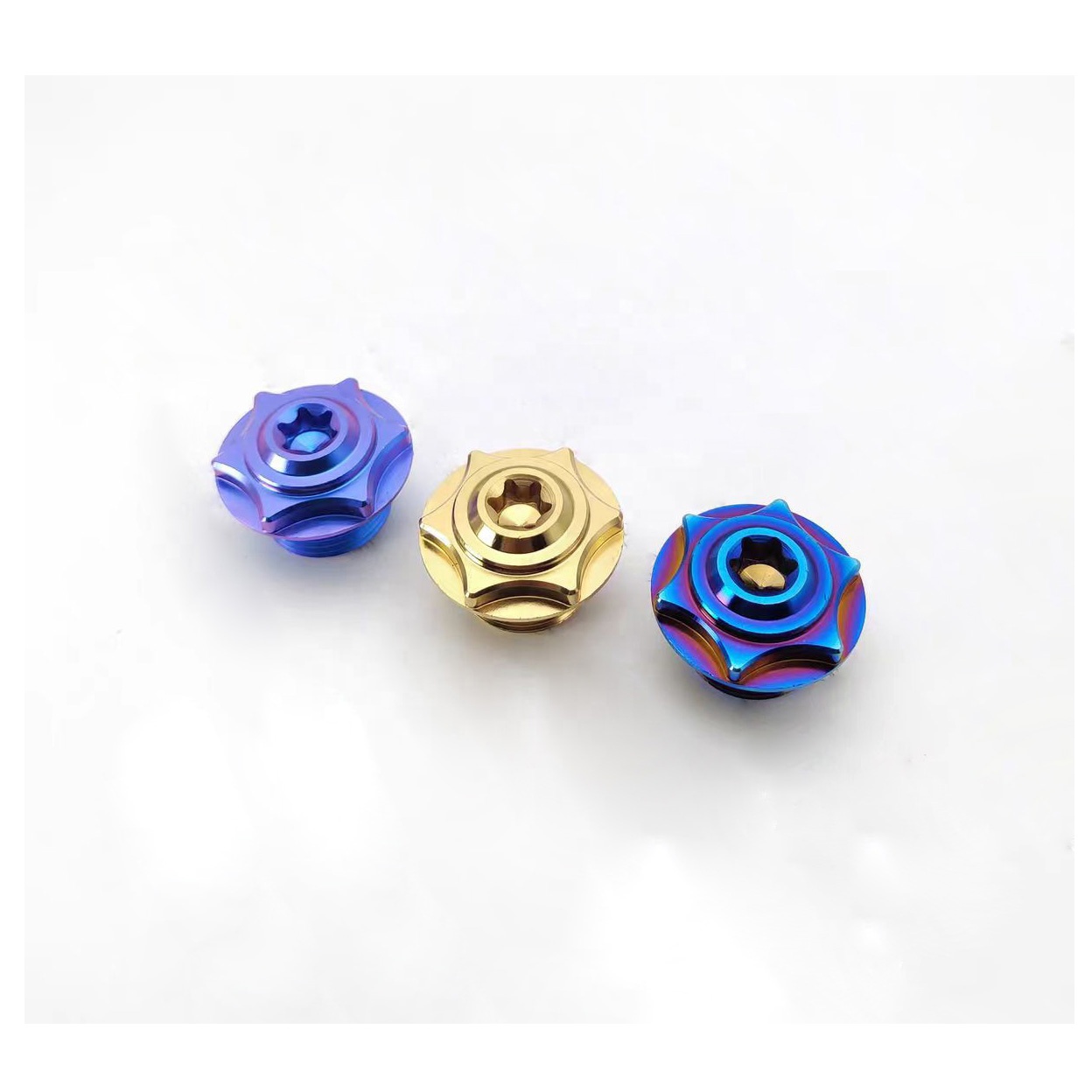
Titanium Screw Motorcycle Oil Filler Cap M20xP1.25/1.5 Gear Oil Cap
The Metallurgy of Timascus (Titanium Damascus) in Haute Horlogerie
Understanding the solid-state diffusion bonding, phase transformation thermodynamics, and light-interference color dynamics required for water-resistant, hypoallergenic luxury watch enclosures.
1. Solid-State Diffusion Metallurgy: Grade 5 + Grade 2 Micro-Laminates
Authentic horological Timascus (alternatively termed Mokuti or Titanium Damascus) is not a surface coating, chemical pattern print, or powdered sintered cast. It represents a metallurgical triumph of solid-state diffusion bonding. At Velnora's Baoji forge, alternating planar sheets of CP Grade 2 Titanium (commercially pure alpha-phase Ti) and Grade 5 Titanium (Ti-6Al-4V alpha-beta structural alloy)—often interleaved with Grade 7 (Palladium-stabilized Ti) or Grade 9 (Ti-3Al-2.5V)—are stacked inside an oxygen-evacuated hermetic canister.
Under extreme vacuum, the canister is subjected to Hot Isostatic Pressing (HIP) at temperatures exceeding 900°C and pressures of 100 to 150 MPa. Under these hyperbaric conditions, atomic migration occurs across the crystalline lattice boundaries without reaching the molten liquidus phase. Titanium atoms migrate across pristine interfaces, forming interstitial metallic grains that completely eliminate micro-voids, boundary oxidation, and delamination risks. When forged and twisted via bespoke torsion dies, a swirling, non-repeating woodgrain or raindrop pattern is locked into the crystalline structure of the billet.
2. The Physics of Coloration: Controlled Interference vs. Pigmentation
The breathtaking aesthetic of a finished Timascus watch case—displaying vivid rivers of sapphire blue, imperial purple, gold, cyan, and rose bronze—is governed entirely by optical thin-film light interference rather than pigment or chemical dyes. When the completed 5-axis CNC machined case is exposed to controlled thermal oxidation (between 380°C and 700°C) or high-voltage precision electrochemical anodization, a transparent titanium dioxide (TiO2) passivation layer instantly grows on the metal exterior.
Crucially, because Grade 2 pure titanium and Grade 5 Ti-6Al-4V possess distinct oxidation kinetics and activation energies due to the 6% aluminum and 4% vanadium stabilizing agents, their respective oxide coatings grow at markedly differential nanometer rates under identical temperature curves. When ambient light strikes the surface, light rays reflect partially from the outer oxide boundary and partially from the underlying metallic substrate. The resulting optical phase shift cancels specific wavelengths while reinforcing others:
• 15–25 nm TiO2 Thickness: Generates deep straw gold and champagne hues.
• 40–60 nm TiO2 Thickness: Produces electric violet and magenta tones.
• 70–100 nm TiO2 Thickness: Refracts brilliant royal cyan, cobalt blue, and emerald green.
Because the oxide film is a ceramic layer intrinsically integrated into the metal matrix, it does not flake, degrade under direct solar UV exposure, or tarnish in marine environments, providing a permanent aesthetic identity that is completely hypoallergenic and biological inert.
3. Solving the 5-Axis CNC Machining Dilemma for Thin-Walled Enclosures
Machining Timascus watch cases presents extreme mechanical challenges far greater than cutting traditional 316L stainless steel, bronze, or homogeneous Grade 5 titanium. Titanium exhibits exceptionally low thermal conductivity (approximately 6.7 W/m·K compared to 400 W/m·K for copper and 50 W/m·K for structural carbon steel). During high-speed CNC milling of intricate watch lugs, crystal bezels, and screw-down crown threads, virtually all frictional cutting heat concentrates at the tool-workpiece interface.
Furthermore, the differential hardness between Grade 2 (approx. 145 HV) and Grade 5 (approx. 340 HV) creates an intermittent, pulsating chip load as the carbide endmill crosses between the alternating micro-bands. Without specialized feeds, speeds, and tool coatings, this causes micro-chatter, premature cutting edge chipping, and tool-rubbing induced work hardening.
At Velnora's precision CNC workshop, we counter this through:
1. Custom Ultra-Fine Grain TiAlN / AlCrN Coated Solid Carbide Tooling: Designed with unequal flute spacing to disrupt acoustic resonance and chatter.
2. Cryogenic High-Pressure Mist Coolant Delivery: Liquid CO2 or high-pressure micro-lubrication is targeted directly at the cutting zone, suppressing tool-welding and preventing micro-cracking across diffusion layers.
3. Slow-Feed Wire EDM for Delicate Geometries: Crown tube apertures, sapphire glass gasket retention tracks, and skeletonized lug windows are rough-machined via submerged brass wire electrical discharge machining (EDM) to eliminate mechanical deformation on thin walls (≤ 0.8 mm).
Timascus vs. Traditional Horological Enclosure Alloys
A comparative structural breakdown demonstrating why luxury watch engineers and micro-brands are transitioning from conventional alloys to diffusion-bonded titanium composites.
| Mechanical & Physical Property | Velnora Timascus (Ti-Ti Composite) | Grade 5 Titanium (Ti-6Al-4V) | 316L / 904L Stainless Steel | Forged Carbon Matrix | CuSn8 Marine Bronze |
|---|---|---|---|---|---|
| Density / Specific Gravity (g/cm³) | 4.46 (43% lighter than steel) | 4.43 (44% lighter than steel) | 7.95 – 8.05 (Heavy) | 1.80 (Ultra-lightweight) | 8.80 (Very Heavy) |
| Tensile Yield Strength (MPa) | 680 – 880 (Layer dependent) | 895 – 950 | 220 – 310 | 350 – 500 (Anisotropic) | 280 – 380 |
| Vickers Hardness (HV0.1) | 180 – 360 (Dual-phase banded) | 330 – 350 | 160 – 210 | 50 – 80 (Resin phase) | 130 – 170 |
| Magnetic Permeability (μ) | 1.00005 (Anti-Magnetic) | 1.00005 (Anti-Magnetic) | 1.008 – 1.020 (Residual Ferro) | 1.0000 (Non-Magnetic) | 1.0001 (Non-Magnetic) |
| Hypoallergenic Biocompatibility | 100% Medical Grade & Nickel-Free | 100% Biocompatible (ISO 5832-3) | Poor (Releases Nickel ions) | Moderate (Polymer dependant) | Low (Causes skin patination) |
| Corrosion Resistance (Salt Mist ASTM B117) | Immune (> 1,000 hrs zero pitting) | Immune (> 1,000 hrs zero pitting) | Moderate (Pitting in crevices) | High chemical resistance | Rapid surface green oxidation |
| Thermal Conductivity (W/m·K) | 7.2 – 11.5 (Skin-warm comfort) | 6.7 (Warm to the touch) | 15.0 (Cold shock to wrist) | 5.0 – 8.0 | 65.0 (High thermal loss) |
| Aesthetic Uniqueness Index | 100% Bespoke Woodgrain Layering | Uniform Metallic Matte / Grey | Standard Metallic Lustre | Marbled Black Matte | Uncontrolled Verdigris Patina |
Future Procurement Dynamics: Sourcing Timascus Cases (2025–2030)
Macro trends reshaping the supply chain for independent watchmakers, luxury micro-brands, and Tier-1 Swiss horology ateliers sourcing custom engineered enclosures from China.
1. Rise of Tri-Metal & Zirconium Composites (ZircuTi)
B2B procurement is evolving from traditional two-layer Ti-Ti billets to advanced tri-alloy matrices incorporating pure Zirconium (Zr702). Termed ZircuTi, heating this alloy yields deep obsidian-black ceramic ribbons juxtaposed against electric blue and gold titanium bands, satisfying collector appetite for extreme visual contrast.
2. Monobloc Ergonomic Milling & Integrated Lugs
Instead of multi-piece stamped cases, high-end brands demand monobloc middle cases CNC carved from a single solid Timascus block, featuring integrated angular lugs and recessed crown guards. This architecture eliminates water-entry weak points and maintains an uninterrupted damascus flow across the entire wrist profile.
3. Digital Process Tracking & Spectral Color Certification
Global buyers are mitigating supplier risk by demanding live digital factory verification. Velnora leads this trend by providing in-process video recordings of CNC turning, coordinate measuring machine (CMM) dimensional reports, and spectrophotometric oxide thickness certificates for every production batch.
Frequently Asked Technical & Sourcing Questions
Critical answers addressing micro-tolerances, water resistance ratings, anti-galling thread treatments, and OEM custom production protocols for international procurement teams.
How do you guarantee that multi-layer Timascus will not delaminate under water pressure?
Delamination is prevented at the atomic level through our solid-state Hot Isostatic Pressing (HIP) protocol. By subjecting alternating Gr2 and Gr5 sheets to >900°C at 120 MPa under an inert argon vacuum, grain boundaries interlock without voids. Our completed cases are subjected to 10-bar to 30-bar (100m–300m) hydrostatic ISO 22810 hermetic chamber tests to guarantee 100% structural integrity under extreme pressure.
Can you achieve Swiss Haute Horlogerie tolerances on sapphire crystal seats and caseback threads?
Yes. Our multi-axis CNC machines maintain tight machining tolerances of ±0.005mm. The internal bezel groove for sapphire crystal I-ring gaskets and the M32–M38×0.5mm internal screw-back threads are diamond-tooled and coordinate-verified with automated non-contact optical video measurement systems (CMM) before dispatch.
How do you prevent thread galling when titanium screws are driven into a titanium case?
Titanium-on-titanium contact can be prone to microscopic galling (cold friction welding). We mitigate this by precision-rolling screw threads, applying anti-friction DLC (Diamond-Like Carbon) or micro-anodized boundary coatings, and strictly specifying micro-toleranced clearances alongside approved synthetic watchmaker fluoropolymer lubricants during final assembly.
Is the oxide flame/anodized coloration scratch-resistant, and can it be restored?
The natural TiO2 interference layer has a ceramic hardness superior to raw metal, resisting mild abrasion, UV exposure, and perspiration. For high-contact sports models, we offer transparent PVD protective clear-coats. Furthermore, if a case sustains deep surface gouges over years of wear, it can be re-polished and thermally re-passivated to 100% original factory vibrancy.
What CAD/CAM file formats do you accept for custom OEM/ODM watch case manufacturing?
We accept 3D native CAD files in STEP (.stp), IGES (.igs), Parasolid (.x_t), and SolidWorks (.sldprt), accompanied by 2D engineering drawings in PDF or DWG with explicit GD&T (Geometric Dimensioning and Tolerancing) parameters, thread designations, and critical seal surface roughness callouts (Ra ≤ 0.4 μm).
What is the typical Minimum Order Quantity (MOQ) and sample lead time?
For custom Timascus / Mokuti watch cases, bezels, and dial blanks, prototype sample runs start from just 1 to 5 pieces. For mass production series, MOQs generally start at 50 to 100 sets. Precision CNC titanium micro-screws and custom plate tags are available with MOQs from 100 to 300 pieces. Rapid prototype delivery typically ships within 15–20 working days.
Ready to Engineer Your Next Limited-Edition Timascus Timepiece?
Consult directly with Velnora Titanium's Baoji engineering division. Send your 3D CAD files (.STEP/.IGES) or technical specifications today for a confidential design-for-manufacturability (DFM) review and binding manufacturing quotation within 4 hours.