Global Export · English USD · EUR · GBP
0%

China’s bicycle-component sector includes manufacturers with different levels of machining capability, quality control, and export experience. For buyers comparing Titanium Bicycle Stem Top Caps, the small size can be misleading. A cap still needs clean threads, consistent dimensions, and a finish that holds up to regular handling. Ask suppliers how they inspect these details, rather than relying on product photos alone. Keith Bontrager, a respected bicycle designer, is often credited with the useful design maxim, “Strong. Light. Cheap. Pick two.” It captures a real trade-off, though it does not answer every sourcing question. A titanium part must suit the bike and the rider’s priorities.

A practical comparison should cover titanium grade, machining method, thread fit, surface treatment, customization options, and documented inspection procedures. Request samples when possible. Check the fit against the intended stem, and ask how the manufacturer manages dimensional consistency between batches. Communication matters, too; clear drawings and written specifications can prevent avoidable misunderstandings. Still, a polished finish is not proof of quality. Nor does a long supplier list guarantee dependable production. One caveat: published specifications may leave important details unclear, so buyers should confirm them directly. That takes time. For an outline on China’s top manufacturers, the introduction should set expectations without declaring a single supplier “best” before evidence is reviewed. Compare capability, transparency, and sample quality. Then make the choice.
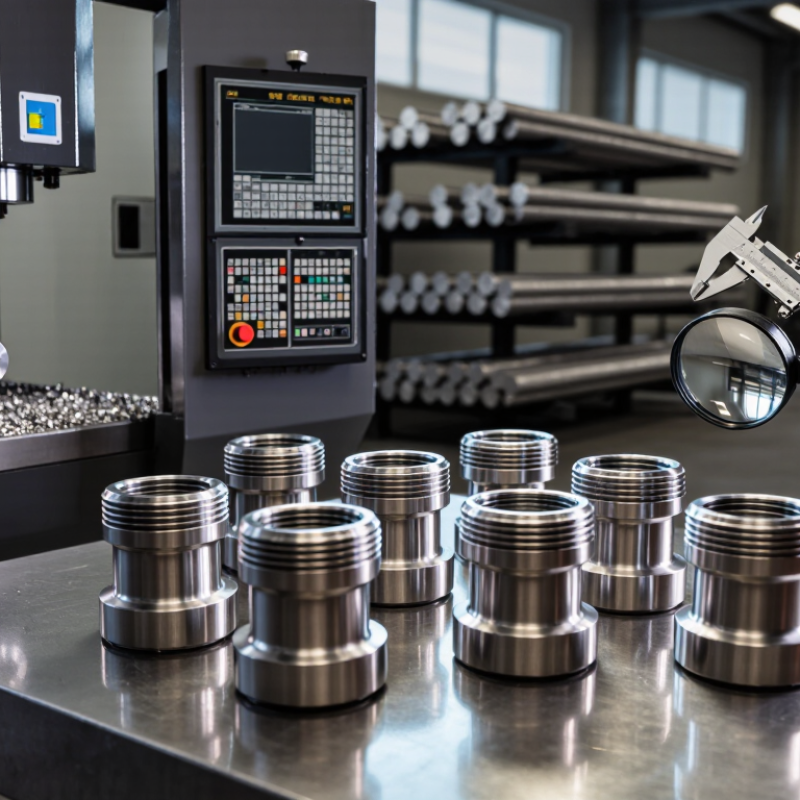
China Top Titanium Bicycle Stem Top Caps Manufacturers

Overview of Titanium Bicycle Stem Top Caps

Titanium bicycle stem top caps are compact parts fitted above a headset’s steerer assembly. Their main job is to help preload the headset bearings during installation. After the stem is tightened around the steerer, the cap is not a substitute for a properly secured stem. Titanium offers low weight and good corrosion resistance, while its appearance can range from matte to polished. The actual benefit depends on the design, machining, and fit. A premium-looking surface cannot correct poor tolerances.

For an overview, check the cap’s diameter, bolt compatibility, and clearance around the stem. Some designs use a separate bolt; others include one, so confirm the supplied hardware suits your setup. Clean threads and a flat bearing surface help make installation more predictable. Follow the bicycle or headset maker’s preload instructions and torque guidance. Too much tightening can make steering feel rough. Fit details are easy to overlook; I would not judge a cap by appearance alone.

Tips: Apply preload gradually, then check for headset play and smooth steering. Keep grit out of the threads. Don’t force a bolt that binds. If the fit remains uncertain, ask a qualified bicycle mechanic to inspect the assembly.

Materials and Manufacturing Processes Used in China

China’s titanium bicycle stem top caps are often machined from titanium alloy or commercially pure titanium. The choice affects weight, strength, corrosion resistance, and finish. Many workshops use CNC machining to shape the cap, cut its bolt recess, and produce clean edges. Small part. Tight fit. Thread dimensions and contact surfaces still need careful inspection.

Some manufacturers begin with titanium bar stock, while others may use forged blanks before machining. The cap is then deburred and finished by polishing, brushing, or bead blasting. Titanium anodizing can create color through a controlled oxide layer, rather than added paint. Results depend on surface preparation and process control. A polished surface looks refined, but may show scratches sooner. Not every finish suits every build, and appearance alone says little about dimensional accuracy.

Tips: Ask about the material grade, thread specification, and inspection method before ordering. Check that the cap matches the headset bolt and stem setup. For repeat production, request sample measurements and finish approval. Supplier capabilities vary, so avoid assuming every workshop follows the same process. Small differences matter.

China Top Titanium Bicycle Stem Top Caps Manufacturers - Materials and Manufacturing Processes Used in China

Comparison Dimension Common Material or Specification Manufacturing Process Used Practical Selection and Quality Notes
Commercially pure titanium Grade 2 titanium; density approximately 4.51 g/cm³ Typically CNC-machined from titanium bar or billet, followed by deburring and surface finishing A widely used commercially pure grade with good corrosion resistance. Confirm the material grade through a material certificate when traceability is required.
Titanium alloy Ti-6Al-4V, commonly designated Grade 5; density approximately 4.43 g/cm³ CNC machining from alloy stock; cutting parameters and tooling are selected for the alloy’s strength and machining characteristics Offers higher strength than commercially pure titanium, but material choice should suit the component’s function and design rather than appearance alone.
Raw stock and material verification Titanium bar or billet; ASTM B348 covers titanium and titanium-alloy bars and billets Incoming stock inspection, document review, cutting to blanks, and machining Request the applicable grade and supporting material documentation. A standard reference does not by itself establish that a particular part is certified to that standard.
Primary shaping Part geometry is usually defined by a product drawing and the intended steerer-tube and bolt arrangement Multi-axis or conventional CNC turning and milling; small batches are commonly suited to machining from solid stock Check the finished part against the drawing, especially the outer profile, underside clearance, and central bolt-hole alignment.
Central bolt interface M6 × 1 is a common coarse metric bolt thread used in bicycle stem top-cap assemblies; verify the specific design Threading by tapping or thread milling, followed by thread inspection Thread size and usable engagement can vary by design. Confirm compatibility with the intended bolt and assembly rather than assuming all top caps use the same thread.
Surface finishing Machined, brushed, polished, or bead-blasted appearance Mechanical finishing such as deburring, polishing, or bead blasting after machining Finishing changes appearance and can affect dimensions at edges and interfaces. Specify cosmetic areas and functional surfaces separately.
Colour treatment Titanium anodizing can produce colours through changes in the surface oxide layer Surface cleaning followed by controlled electrochemical anodizing Colour depends on surface condition and process control. Anodized colour is not a paint coating, and colour consistency should be agreed using production samples.
Inspection and dimensional control Inspection points should be taken from the approved drawing; no single dimensional tolerance applies to every top cap Calipers, micrometers, gauges, and visual inspection may be used according to the feature and tolerance requirements Specify critical dimensions, tolerances, cosmetic acceptance criteria, and inspection records before production.
Assembly function The top cap and bolt apply preload to a compatible headset and steerer assembly during adjustment Machining and finishing must preserve the required contact faces and bolt interface The top cap is part of the adjustment assembly; correct stem and steerer setup and the component maker’s instructions remain essential.

Data note: This table summarizes commonly used titanium grades, processes, and bicycle-component practices relevant to production in China. It is a general technical reference, not a ranking or a claim about any specific manufacturer. Confirm material grade, dimensions, finish, and inspection requirements against the product drawing and supplier documentation.

Profiles of Leading Chinese Manufacturers

Chinese manufacturers of titanium bicycle stem top caps tend to specialize in compact, precision-machined components rather than broad bicycle assemblies. Their profiles often include CNC machining, titanium bar-stock sourcing, surface finishing, and small-batch customization. Small parts matter. A top cap must sit flush, resist corrosion, and fit the intended stem and bolt pattern. Buyers should request material documentation and confirm dimensions against a technical drawing, not rely on product photos alone.

Experienced suppliers can explain how they control tolerances, inspect threads, and prevent surface marks during finishing. Ask for sample parts and check the underside, bolt seat, and edge finish under good light. Some factories support laser marking or custom colors, but coating choices can affect fit and wear. A polished catalog is not proof of consistent production. That distinction is easy to miss. Useful manufacturer profiles should show inspection steps, realistic lead times, and how defects are handled. One detail may still be unclear: public listings rarely reveal a factory’s actual process, so direct questions and sample checks remain important.

Titanium Bicycle Stem Top Caps: Material Density Reference

Typical density values for materials relevant to lightweight bicycle components. This material comparison is not manufacturer-specific.

Lower density means less material mass for the same volume. Values shown are typical reference figures; actual values can vary by alloy and specification.

Quality Standards and Product Performance

China Top Titanium Bicycle Stem Top Caps Manufacturers

Quality Standards and Product Performance

For titanium bicycle stem top caps, quality starts with material control and precise machining. Manufacturers should verify titanium grade through supplier records and incoming inspection, rather than relying on appearance alone. Small parts still need consistent dimensions. A cap’s thread pitch, seating face, and center opening must match its intended assembly. Poor fit can cause uneven contact or make installation frustrating.

Check the details.

Performance depends on more than low weight. A cleanly machined seating surface helps the cap sit evenly, while carefully cut threads support smooth, controlled tightening. Corrosion resistance is useful in wet rides, but it does not excuse careless finishing or storage. Quality checks may include dimensional sampling, thread gauges, visual inspection under bright light, and test fitting with compatible components. Ask how inspection results are recorded.

A shiny finish proves little by itself. For buyers comparing Chinese manufacturers, request material documentation, tolerance information, and clear inspection criteria. These details make supplier claims easier to assess.

There is a trade-off: removing more material can reduce weight, yet overly thin sections may compromise durability. Not every design choice is an improvement, and that deserves careful review.

How to Evaluate and Select a Manufacturer

China Top Titanium Bicycle Stem Top Caps Manufacturers: How to Evaluate and Select a Manufacturer

A titanium top cap is a small part, but poor machining can make installation frustrating. Check the cap’s dimensions, thread quality, and compatibility with common headset systems. Ask whether the manufacturer provides material specifications and batch records. Clear answers matter. A smooth finish should show no sharp edges, uneven coloring, or visible tool marks around the bolt opening.

Request samples from the same production process used for regular orders. Inspect the threads by hand, then fit the cap to a compatible steerer assembly. It should sit flat without rocking. Confirm how the supplier checks dimensions and surface finish, and whether inspection records are available. Do not rely on a polished sample alone; production consistency is harder to judge from one piece.

Communication is another useful test. Send a drawing with tolerances, finish requirements, and expected quantities, then compare the response with your needs. Small details matter. A capable manufacturer should flag unclear measurements rather than guess. Ask about minimum order quantities, lead times, packaging, and how defects are handled. It is easy to overvalue appearance; I would also check whether the supplier can explain its process plainly. That answer may reveal more than a glossy catalog.

FAQS

What does a titanium stem top cap do?

It helps preload the headset bearings during installation. It does not secure the stem.

What are the practical benefits of titanium?

It can offer low weight and good corrosion resistance. Looks can mislead.

How can I check whether a cap fits?

Check its diameter, bolt compatibility, and clearance around the stem. Threads should turn smoothly, and the cap should sit flat.

How tight should the top cap be?

Follow the bicycle or headset instructions. Apply preload gradually, then check for headset play and smooth steering. Don’t force a binding bolt.

What quality details should I ask a manufacturer about?

Request titanium grade information, dimensional tolerances, and inspection records. A polished surface alone proves little.

How should I assess a sample?

Ask for a sample made through the regular production process. Check the threads by hand, then test-fit it on a compatible assembly. It should not rock.

What should I look for in the finish?

Inspect the bolt opening and edges under bright light. Watch for sharp edges, uneven coloring, or visible tool marks.

Can a lighter cap always be better?

No. Removing material may reduce weight, but sections that are too thin can affect durability. I might be overchecking, but this trade-off deserves attention.

What else should I confirm with a supplier?

Ask about order quantities, lead times, packaging, and defect handling. Clear answers matter. A supplier should flag unclear measurements rather than guess.

Conclusion

This article explores the role of Titanium Bicycle Stem Top Caps in bicycle assembly, including their function, design considerations, and potential advantages for riders seeking a lightweight, durable component. It explains how Chinese manufacturers may work with different titanium grades and production methods, such as precision machining, finishing, and inspection, to create products with consistent dimensions and surface quality.

The article also outlines how to assess manufacturers without focusing on specific brands. Readers will learn to compare production capabilities, material traceability, quality-control procedures, customization options, and communication practices. It discusses relevant quality standards and product-performance factors, including fit, strength, corrosion resistance, and finish. Together, these points offer a practical framework for evaluating suppliers and choosing a manufacturer that matches a project’s technical requirements, order volume, and expectations for reliability.

Amelia

Amelia

Amelia is a highly experienced marketing professional dedicated to helping businesses understand how thoughtfully designed products can create measurable value. With a strong command of the company’s product portfolio, market positioning, and customer needs, she regularly contributes expert......